Hvac Repair Safety Risks To Prevent Carbon Monoxide
Carbon monoxide (CO) is an invisible, odorless hazard that can be tied to faulty heating equipment and improper venting. This guide walks Dallas homeowners through practical steps to reduce risk, recognize warning signs, and know when to call for furnace repair and furnace safety inspection.
Last winter in Dallas, a homeowner told us their furnace “seemed fine” but the house felt oddly stuffy and the heating cycle would stop and restart. They also noticed a faint exhaust smell near the unit area. Even if the furnace is producing heat, a small venting or combustion problem can create dangerous conditions.
If you are dealing with a furnace that won’t heat, furnace troubleshooting that keeps pointing to the system, or you are considering furnace repair near me, this guide will help you understand the safety risks that matter most. You will also learn what to check first and what a proper furnace safety inspection should cover.
- Quick answer
- What to check first
- Main things customers should understand
- Why this matters in Dallas, TX
- Common mistakes to avoid
- Customer checklist
- Frequently asked questions
Quick Answer
To reduce carbon monoxide risk, treat any venting, combustion, or abnormal furnace behavior as a safety issue, not a “wait and see” problem. If you have symptoms like headaches, nausea, or unusual exhaust odors, stop using the furnace and get help right away. For routine prevention, schedule furnace inspections and furnace maintenance service so airflow, venting, and key safety controls are verified. If your system shows signs like furnace not heating or furnace blowing cold air, have a technician diagnose the cause before you keep running it.
What to Check First
Start with the simplest, safest checks that can point to a venting or operating problem. Do not ignore anything that suggests exhaust is not being cleared properly. If you suspect a CO issue, prioritize safety over comfort.
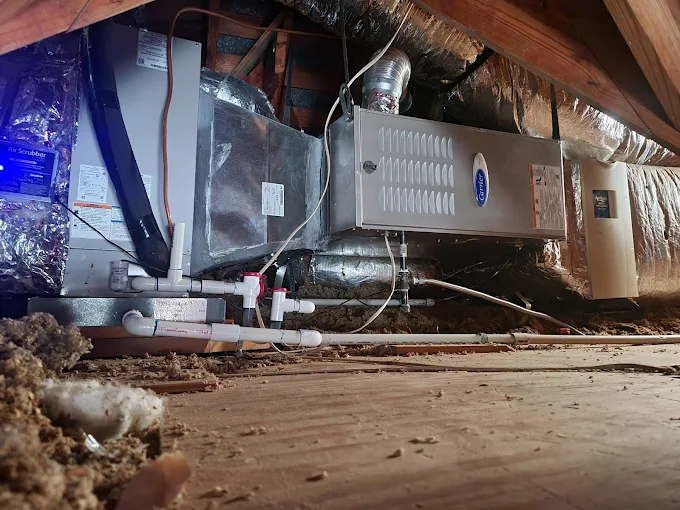
Safety first: If anyone in the home experiences symptoms such as headache, dizziness, nausea, or if you notice soot or an exhaust odor, stop the heating system and contact a qualified HVAC contractor. Do not attempt to “fix” venting components by trial and error.
- Look for obvious venting problems: Check for loose connections, disconnected sections, or damaged vent pipes near the furnace. Avoid touching hot surfaces.
- Pay attention to airflow and combustion behavior: Signs like repeated shutdowns, unusual burner sounds, or persistent ignition problems can indicate a safety control trip.
- Confirm indoor conditions: Make sure return air pathways are not blocked by furniture, storage, or heavy coverings. Poor airflow can affect combustion and safety systems.
- Use the right service for the right part: If your main issue is heating performance, you may be tempted to jump straight to furnace repair. Still, a proper furnace safety inspection is what confirms combustion and venting are safe.
Main Things Customers Should Understand
Carbon monoxide prevention is mostly about how well the furnace burns fuel and how reliably it vents combustion byproducts out of the home. Many “heating problems” are symptom problems, meaning you can feel heat issues without seeing the safety root cause.
1) Venting and flue integrity
Even small gaps or misalignment in venting can change how exhaust moves. Over time, vibration, temperature swings, and physical impacts can loosen connections. A furnace system check should verify that exhaust is routed correctly and that the venting path is not compromised.
2) Safety controls and proper operation
Modern furnaces rely on safety controls to shut down when conditions are not right. If a safety control is tripping, it can be because of airflow problems, vent restrictions, improper setup, or combustion issues. The goal is not to bypass safety devices. The goal is to find and correct the underlying cause.
3) Furnace cleaning and maintenance
Dust buildup, degraded components, or blocked passages can affect performance and combustion. Regular furnace maintenance and furnace cleaning help keep the system operating as designed, and they can reveal early warning signs before a shutdown becomes more serious.
4) Fuel type and system design
Gas furnaces and electric furnaces behave differently, and so do their risk profiles. Gas furnace issues more directly relate to combustion and venting. Electric systems typically do not involve combustion gases in the same way, but any abnormal operation still deserves professional diagnosis.
Professional observation: In Dallas homes, we often see safety-related heating issues show up after seasonal swings. A furnace may run fine for a while, then start short-cycling or failing to complete the heating cycle. That pattern is a clue that the system should be inspected, not simply reset.
Why This Matters in Dallas, TX
Dallas, TX homes vary widely, from older setups in established neighborhoods to newer builds with tighter air sealing. In both cases, furnace performance can change with indoor humidity, temperature swings, and airflow patterns. If your property has a basement, utility space, or a dedicated mechanical closet, vent routing and return air pathways matter just as much as the furnace itself.
For customers in Richardson, TX and across the Dallas area, the practical takeaway is simple: treat furnace safety inspection and furnace service as part of seasonal readiness. When the weather shifts and the system is asked to run longer, you want confidence that venting and safety operation are verified.
| What you notice | What it can indicate | What to do next |
|---|---|---|
| Furnace stops and restarts repeatedly | Possible safety control trip due to airflow, venting, or combustion conditions | Schedule furnace inspections and diagnosis rather than repeated resets |
| Furnace not heating or inconsistent warm air | Fault in heating operation that may tie into safe combustion and airflow | Request residential furnace repair with a focus on safe operation |
| Faint exhaust smell near the unit area | Potential venting or connection problem | Stop using the furnace and contact an HVAC professional for inspection |
| Soot around the furnace or vent area | Possible combustion or venting issue | Arrange furnace safety inspection and cleaning/repair as needed |
| Furnace blowing cold air | Airflow or heating cycle problem that should be diagnosed | Have the system evaluated to restore safe, correct heating |
Need a furnace inspection focused on safe operation?
If you are seeing warning signs, TemperaturePro can help identify what is causing the problem and address it properly.
Schedule furnace inspectionsCommon Mistakes to Avoid
Many CO-related risks come from “workarounds” that don’t address the cause. Here are common mistakes we see that can make a dangerous situation worse.
- Resetting the furnace repeatedly: Frequent resets can hide a safety control problem and delay the real diagnosis.
- Ignoring venting or connection clues: Loose or damaged vent components should not be patched casually. Venting must be verified for correct routing and integrity.
- Blocking returns or restricting airflow: Closing vents, blocking returns, or overloading filters can affect safe furnace operation.
- Performing DIY combustion “tuning”: Furnace adjustment requires the right tools and procedures. Incorrect adjustments can create unsafe conditions.
- Waiting until the system fails completely: A furnace that “kind of works” can still be operating outside safe parameters. A furnace service visit is the safer path.
Customer Checklist
Use this checklist to prepare for a visit or to guide what you review before calling. It does not replace professional testing, but it helps you notice patterns and explain symptoms clearly.
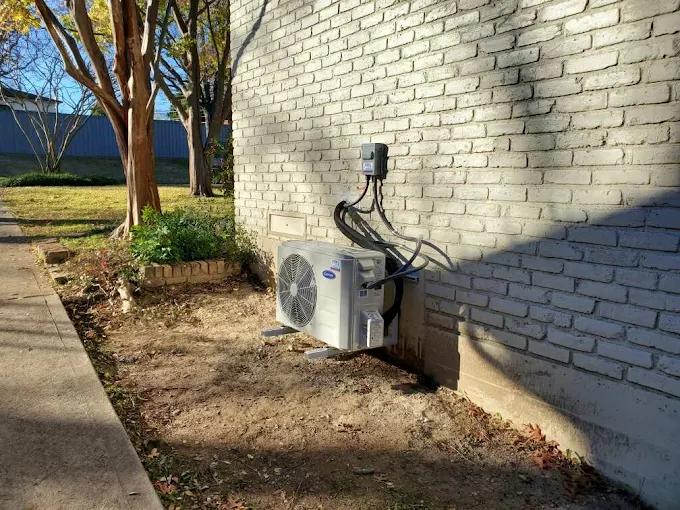
- Confirm whether the issue is furnace not heating, furnace blowing cold air, or short-cycling.
- Note when it happens (startup, after running, during colder nights) and whether it triggers shutdowns.
- Check for visible soot, loose vent sections, or disconnected hoses/pipes near the furnace.
- Verify return air pathways are not blocked and the air filter is installed correctly.
- Identify any exhaust odor or unusual indoor air symptoms and stop using the system if symptoms occur.
- Write down any recent changes: filter swap, thermostat changes, renovations, or moved furniture around vents.
- Ask specifically about furnace safety inspection and furnace troubleshooting steps for your exact symptoms.
Representative scenario (anonymized)
A Dallas-area customer reported that their furnace would start normally, warm the home briefly, and then shut down. They also noticed the mechanical closet felt unusually warm and the exhaust area seemed “off.” Instead of repeated resets, they scheduled furnace inspection. The technician reviewed venting connections, checked safe operation, and addressed the underlying issue so the furnace could complete its heating cycle reliably.
Frequently Asked Questions
What are the first signs that a furnace problem could be related to carbon monoxide risk?
Look for warning clues such as an exhaust odor near the furnace or vent area, soot buildup around the unit, or the furnace operating in an abnormal way like repeated shutdowns and short cycling. Also pay attention to indoor symptoms that affect people, including headaches, dizziness, or nausea. If you suspect CO risk, stop using the heating system and contact a qualified HVAC professional for inspection.
Should I keep running the furnace if it sometimes heats but then shuts off?
No. Intermittent heating combined with shutdowns often points to a safety control trip or an underlying airflow or combustion issue. Repeatedly resetting the furnace can delay the real fix. The safer approach is to schedule furnace troubleshooting and a furnace safety inspection so the cause is identified and corrected before you keep running the system.
How does furnace maintenance help with safety, not just comfort?
Furnace maintenance service supports safe operation by helping keep airflow pathways clear, verifying that components are functioning correctly, and addressing buildup that can affect performance. A proper furnace inspection also checks safety-related operation as part of the overall system evaluation. In climates with seasonal swings, maintenance helps catch problems before they show up as shutdowns, inconsistent heating, or venting concerns.
Is carbon monoxide a concern with electric furnaces too?
Carbon monoxide is primarily associated with combustion byproducts, so gas furnaces carry the most direct risk related to venting and combustion. Electric furnaces generally do not produce the same combustion gases. That said, any furnace that behaves abnormally should still be inspected, because the goal is safe, correct operation of your heating system.
What should I ask for when scheduling a furnace inspection?
Ask for a furnace safety inspection and a clear explanation of what the technician checks during the evaluation. You can also mention your symptoms, such as furnace not heating, furnace blowing cold air, or short cycling, and request troubleshooting that matches what you’re experiencing. If you suspect venting issues, be sure to describe any exhaust odor, soot, or loose connections you have noticed.
Get your heating system checked the right way
If you are dealing with furnace safety concerns, TemperaturePro can help with furnace repair and furnace safety-focused evaluation for Dallas homes.
Call TemperaturePro
TemperaturePro (Dallas HVAC)
TemperaturePro serves Dallas, TX and nearby areas like Richardson, TX with HVAC heating and cooling services, including furnace repair, furnace inspections, and furnace maintenance service. If you are troubleshooting a gas furnace, dealing with furnace not heating or furnace blowing cold air, or planning routine furnace tune-up work, you can reach TemperaturePro at (469) 275-1624 or visit temperatureprodallas.com.
Helpful next steps: furnace repair, annual furnace maintenance, furnace tune-up, or if you need broader HVAC support, commercial HVAC service.