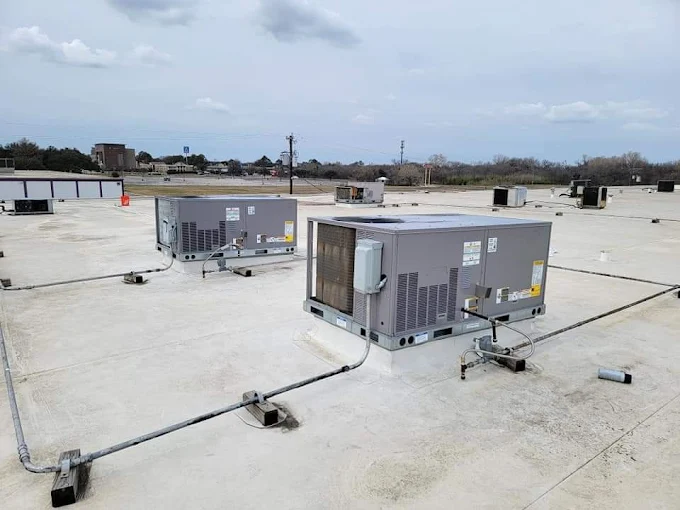
If your air conditioner trips a breaker, won’t start, or smells “hot” when it runs, you may be dealing with an electrical issue. This guide helps Dallas homeowners recognize warning signs, reduce risk, and know when it’s time to call TemperaturePro for AC repair.
Last summer, a homeowner in Dallas noticed their outdoor AC unit would start, run for a minute, and then shut off. The next attempt often tripped a breaker, and the panel area near the unit looked slightly darker than it should.
That combination of symptoms can point to more than “just a bad capacitor.” Electrical hazards are not the place to experiment. Below, you will learn what to check first to stay safe, what conditions typically increase risk, and how to plan the next steps for AC repair without guessing.
- Quick answer
- What to check first
- Main things customers should understand
- Why this matters in Dallas, TX
- Common mistakes to avoid
- Customer checklist
- Frequently asked questions

Quick Answer
If your AC may have an electrical problem, prioritize safety over troubleshooting. Turn off power at the disconnect and do not reset repeatedly if breakers trip. Check for obvious issues like a loose disconnect cover, damaged wiring insulation, or signs of scorching, then stop and call a qualified HVAC technician. For safety inspections and AC repair, TemperaturePro can evaluate the system and address electrical components as part of a proper AC inspection. If your AC is not cooling properly or has burning smells, avoid DIY repairs and schedule service.
What to Check First
Start with the simplest, lowest-risk checks. Before you touch anything inside the unit, switch off power at the outdoor disconnect (or the breaker that feeds the system). If you do not feel confident locating the correct disconnect, stop and call TemperaturePro. After power is off, look for clear, visible warning signs such as frayed wires, loose panels, or scorch marks around electrical connections.
Professional observation: If you see dark marks, melting, or a “hot” odor, treat it like an electrical hazard. Do not keep trying to restart the AC to “see if it works.”
Main Things Customers Should Understand
Most electrical hazards in AC systems relate to connections, protection devices, or components that see high current. Even if your thermostat calls for cooling, the electrical path must be stable and properly insulated for the compressor and blower equipment to operate safely.
Electrical hazard indicators to take seriously:
- Breaker trips when the outdoor unit attempts to start.
- Burning or “electrical” odors near the indoor air handler, outdoor unit, or disconnect.
- Visible scorching around terminals, contact points, or wiring entry points.
- Intermittent operation that stops after a short run time.
- Corrosion or moisture where electrical connections are exposed.
In practice, technicians often find that a “no start” symptom is tied to a protective or starting circuit issue, while a “runs then shuts off” symptom can point to a problem that worsens under load. That is why a proper AC inspection is the safest starting point. If you are also dealing with airflow problems, it is worth considering how the indoor system and outdoor system interact, since airflow restrictions can raise operating stress.
If your system is due for scheduled work, TemperaturePro can help with AC inspections and AC repair that focus on the root cause rather than repeat resets. For preventative maintenance, consider AC maintenance to keep electrical connections and control components in better condition over time.
| What you notice | Safety-first interpretation | Most practical next step |
|---|---|---|
| Breaker trips right when the AC attempts to start | Electrical protection is likely reacting to an overload or fault | Turn off power, avoid repeated resets, and schedule AC repair |
| Burning smell near the outdoor unit or disconnect | Potential overheating at a connection or component | Stop operation and request an inspection before restarting |
| AC runs briefly, then shuts off repeatedly | Issue may worsen under load or after components heat up | Have the system checked, including electrical components and controls |
| Unit starts but air is weak or cooling is poor | Not always electrical, but poor performance can increase operating stress | Schedule an AC inspection to confirm airflow and system operation |
Why This Matters in Dallas, TX
Dallas homes often run AC for long stretches, and outdoor units can be exposed to humidity and temperature swings. Over time, vibration and weather exposure can loosen connections or allow moisture to affect areas that should stay sealed. That is why electrical safety is not only about “big emergencies.” It is also about early detection before a problem escalates.
TemperaturePro serves Dallas, TX and nearby Richardson, TX with a focus on safe diagnosis and dependable repairs. If your AC is acting up during peak summer demand, electrical issues can become more noticeable because the system is working closer to its operating limits. Getting the system checked sooner helps you avoid repeated shutdown cycles and keeps the repair process straightforward.
Need help with an AC that trips breakers or won’t start?
If you suspect an electrical hazard, don’t keep resetting the system. TemperaturePro can evaluate your AC and help you decide the safest path forward.
Call TemperatureProCommon Mistakes to Avoid
When people are worried about electrical hazards, the instinct is often to try again. Unfortunately, repeated resets can worsen an overheating condition or delay the discovery of the real cause. Avoid these common mistakes, especially when you notice breaker trips, burning odors, or visible scorching.
Resetting the breaker over and over
Repeated attempts can keep a fault active. If the breaker trips, treat it as a clear signal to stop and get help.
Opening electrical panels without confirming power is off
Even when the unit seems “off,” parts of the system can still carry voltage. Safety first means verifying power is disconnected.
Ignoring warning smells
A burning odor is not something to troubleshoot casually. It is a reason to pause operation and request an inspection.
Customer Checklist
Use this checklist to stay safe while you decide what to do next. If any item raises concern, stop and contact TemperaturePro for an AC inspection or AC repair.
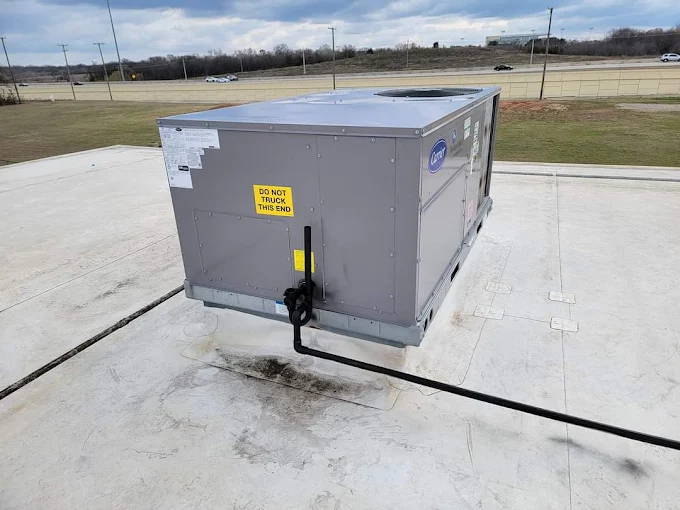
- Turn off power at the outdoor disconnect (or the correct breaker) before touching anything.
- Do not repeatedly reset a breaker after the AC trips.
- Look for visible damage: frayed wires, loose panels, cracked insulation, or scorch marks.
- Check for signs of moisture or corrosion around accessible electrical connections.
- Note when the issue happens (on startup, after a few minutes, or only when the system runs hard).
- Keep the thermostat setting stable and avoid rapid cycling while waiting for service.
- Schedule a professional inspection if you notice burning odors, overheating signs, or repeated shutdowns.
A representative scenario (what it looks like in real life)
Imagine an older Dallas-area home where the AC has been cooling fine, then suddenly starts tripping the breaker during the first call for cooling. The homeowner turns the thermostat down, hears a start attempt outdoors, and the breaker trips again after a short delay. After switching power off and leaving the system off, they notice the outdoor disconnect cover sits slightly misaligned and the surrounding area shows faint discoloration.
In that situation, the safest approach is to treat it as an electrical hazard risk and request service. TemperaturePro can inspect the system, evaluate the electrical connections and protective controls, and then recommend the correct repair steps for safe operation.
Frequently Asked Questions
Is it safe to keep trying to restart my AC after a breaker trips?
No. If your AC trips a breaker, the protection device is reacting to a problem that can include an overload or electrical fault. Repeated restarts can keep the fault active and can increase overheating risk. The safest move is to turn off the system at the disconnect or breaker, wait, and then contact TemperaturePro for an AC inspection or AC repair so the cause can be evaluated properly.
What are the first signs of an electrical hazard in an air conditioner?
Common early warning signs include a burning or “electrical” odor, visible scorching around wiring or connection points, and the outdoor unit shutting down soon after startup. Another red flag is intermittent operation where the system runs briefly, then fails repeatedly. If you notice any of these, stop operating the unit and request a professional inspection.
Should I open the outdoor unit to look for the problem?
In most cases, it is best not to open electrical panels unless you are trained and can confirm power is fully disconnected. Even when the unit seems “off,” parts can still present hazards. If you see obvious damage like frayed wiring or scorching, do not touch it. Instead, keep power off and contact TemperaturePro for an inspection focused on safe diagnosis.
What does an AC inspection usually focus on?
An AC inspection typically looks at how the system operates and why it is failing to cool safely and reliably. That includes checking system operation and components that can affect starting and running performance. If the issue appears electrical, the inspection also focuses on the areas that can overheat or fail under load, so the repair plan addresses the root cause rather than repeat symptoms.
Could a cooling problem be related to electrical hazards?
Sometimes, but not always. Weak cooling can come from airflow issues, system performance problems, or other causes. However, poor performance can also increase stress on equipment, which may reveal underlying electrical issues. If your AC is not cooling properly and you also have signs like breaker trips or burning odors, treat it as a safety priority and call TemperaturePro for service.
For safe AC repair in Dallas, TX, contact TemperaturePro
When electrical hazards are possible, the best next step is professional diagnosis. TemperaturePro can help you identify what is failing and get your system operating safely again.
Schedule AC repair service
About TemperaturePro
TemperaturePro provides HVAC support for Dallas, TX homeowners and property managers, including AC inspections, AC repair, and AC maintenance. If your system is showing warning signs like breaker trips, overheating smells, or repeated shutdowns, our team focuses on safe diagnosis and practical next steps so you can get back to comfortable cooling.