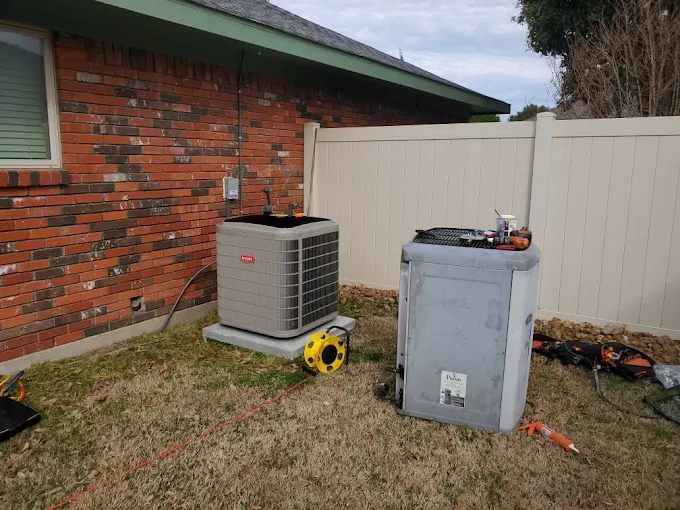
Preventive Commercial HVAC Maintenance for Safety and Longevity
From Dallas, TX office suites to retail spaces in the Richardson area, a planned HVAC maintenance approach helps reduce unexpected downtime, supports safer operation, and can extend system life. This guide walks you through what to check, what to schedule, and what to watch for before small issues turn into big failures.
A property manager in Dallas notices the thermostat holds temperature fine for a few hours, but then classrooms, break rooms, and lobbies start feeling uneven. The maintenance request is usually framed as “the system is acting up,” yet the building team is also worried about safety, reliability, and the cost of shutting down operations during busy weeks.
Preventive commercial HVAC maintenance is the difference between reacting to symptoms and managing the equipment that keeps your tenants comfortable. Below, you’ll learn how to spot early warning signs, what technicians typically verify during a Furnace Service and AC Service visit, and how to build a practical maintenance rhythm for your specific building.
- Quick answer
- What to check first
- Main things customers should understand
- Why this matters in Dallas, TX
- Common mistakes to avoid
- Customer checklist
- Frequently asked questions
Quick Answer
Preventive commercial HVAC maintenance focuses on catching problems early, verifying safe operation, and keeping airflow and temperature control consistent. Start by scheduling recurring Furnace Maintenance Service and AC Maintenance visits, then confirm the basics every time: thermostat performance, airflow, filter condition, electrical connections, and system controls. If you notice symptoms like uneven heating, strange odors, or the system running without reaching temperature, don’t wait for a full failure. Instead, plan a Furnace Inspection and an AC inspection so the root cause is addressed before it escalates. TemperaturePro can help you set up a practical maintenance plan for your Dallas property.
What to Check First
If you are dealing with inconsistent comfort or rising service calls, begin with the easiest checks that also inform what a technician should prioritize. Look at whether the issue is tied to a specific zone, time of day, or season. Then verify that basic airflow and controls are behaving correctly, because many “HVAC problems” start with restricted airflow or control misreads, not the main equipment.
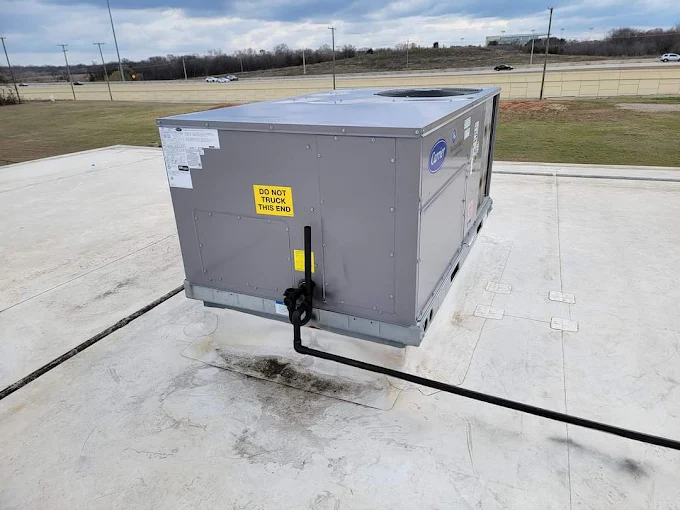
Professional observation: In commercial buildings, small airflow problems often show up as comfort complaints first. By the time the equipment “fails,” the system may already have been operating under stress. A maintenance visit that confirms airflow, safety components, and system checks can prevent that pattern from repeating.
Start with these quick indicators before you schedule service:
- Airflow symptoms: weak supply air, rooms that never fully reach setpoint, or return air that seems unusually restricted.
- Temperature behavior: furnace cycles too often, runs but does not heat, or produces inconsistent temperatures between zones.
- Operational cues: unusual noises, repeating shutdowns, or frequent cycling that suggests a control or safety response.
- System cleanliness: clogged filters and visible debris around equipment that can reduce performance and strain motors.
| What you observe | Likely maintenance focus | Why it matters for safety and longevity |
|---|---|---|
| Furnace not heating or heating inconsistently | Furnace inspection and system checkup | Early inspection can identify control issues and airflow restrictions before they cause repeated failures. |
| Furnace blowing cold air | Furnace troubleshooting and safety checks | Comfort complaints can mask a safety-related shutdown or an airflow problem that needs correction. |
| AC not cooling or AC system checkup needed | AC inspections and maintenance | Performance issues can develop from dirty components, airflow problems, or other factors that maintenance can address. |
| Repeated cycling in extreme heat | Preventative HVAC maintenance verification | Keeping controls and airflow stable helps systems run efficiently and reduces stress on components. |
Main Things Customers Should Understand
Preventive commercial HVAC maintenance is more than “changing a filter.” For safety and longevity, it is about verifying how the whole system works together: controls, airflow, combustion performance where applicable, electrical connections, and the operational sequence that keeps the equipment running safely.
Here are the core areas that typically distinguish a maintenance visit from a quick fix:
1) Furnace safety and heating reliability
For businesses with gas furnaces, recurring Furnace Maintenance and Furnace Service helps ensure heating operation is stable and that safety checks are performed as part of the process. If you have older equipment or you are dealing with comfort complaints, a Furnace Inspection can help confirm the system is operating as intended.
If you are comparing options for scheduling, you can also review how a maintenance approach differs from a one-time repair by exploring furnace maintenance.
2) AC inspections and cooling performance
In Dallas, TX, cooling demands are significant, and performance issues can build quietly. Annual AC tune-ups and AC inspections support consistent cooling and help identify problems before they lead to downtime. Even if cooling “works,” maintenance can catch issues that affect comfort consistency.
For businesses focused on cooling readiness, TemperaturePro offers AC inspections designed to support planned maintenance and reliable operation.
3) Commercial equipment needs steady attention
Commercial HVAC systems often run longer hours and serve multiple zones. That combination can make minor problems more noticeable, because the system has less downtime to “recover” between issues. A planned maintenance rhythm supports better performance and helps reduce the likelihood of repeat calls.
Customer-focused reminder: If your building has multiple comfort zones, maintenance should include checks that reflect real usage patterns. A system that meets setpoint in one area but struggles in another can signal airflow or control problems that a good maintenance plan will address.
Why This Matters in Dallas, TX
In Dallas, TX, commercial spaces experience frequent swings between cooling demand and shoulder-season transitions. That means equipment can spend more time operating near the edge of its comfort targets, especially if airflow is restricted or controls drift over time. Preventive maintenance helps keep systems stable through seasonal pressure, which is when safety and longevity concerns tend to surface.
For many Dallas properties, the “first sign” of a maintenance need is not a dramatic breakdown. It is more subtle: inconsistent temperatures, comfort complaints that repeat, or the system working harder than it should. TemperaturePro supports commercial HVAC needs with a maintenance-first approach tailored to the equipment and how your building is used.
To understand what commercial HVAC service should include, you can review commercial HVAC options and maintenance considerations.
Common Mistakes to Avoid
Many commercial teams only schedule service when something is clearly broken. That approach can turn minor issues into failures that disrupt operations. The mistakes below are common, and avoiding them is one of the fastest ways to protect safety and extend equipment life.
- Waiting for a full breakdown: Comfort issues and performance drift are often early warnings. Planned maintenance helps address those signals before shutdowns occur.
- Skipping Furnace Maintenance Service or AC Maintenance: Annual checks support reliability. Without them, systems can operate longer with hidden problems that build over time.
- Ignoring airflow and filtration: Clogged filters and blocked airflow can force components to work harder, increasing wear and making troubleshooting more complicated.
- Assuming “it’s just the thermostat”: Controls can contribute to issues, but maintenance should verify the entire system’s operation, not only the thermostat setting.
- Using a one-size-fits-all schedule: Buildings run differently. Restaurants, offices, and retail spaces have distinct airflow needs and operating schedules.
Customer Checklist
Use this checklist to prepare for a preventive commercial HVAC maintenance visit and to help your team document recurring issues. The more context you can share, the faster technicians can narrow down what needs attention.
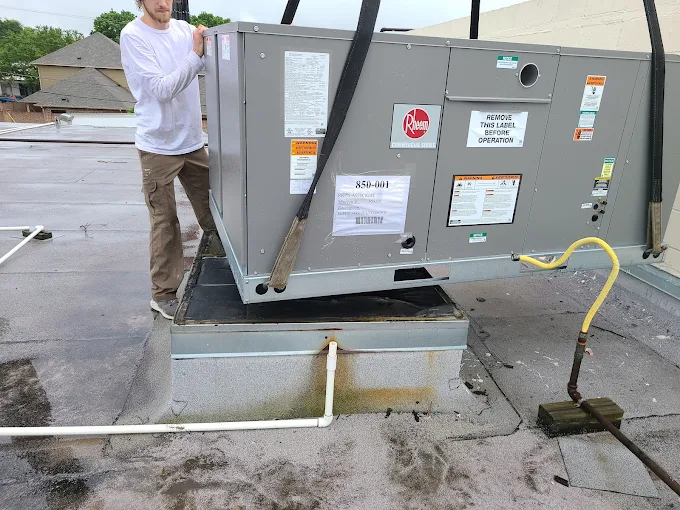
- Confirm the problem pattern: which areas are affected, when it happens, and how long it lasts.
- Check filter condition and note when filters were last changed.
- Look for airflow concerns: weak supply air, unusual return behavior, or blocked vents.
- Document thermostat behavior: inaccurate readings, frequent cycling, or unresponsive controls.
- Note any system symptoms: strange noises, odors, or repeated shutdowns.
- List recent service history, including any Furnace Repair or AC Repair calls.
Representative Scenario: What Preventive Maintenance Looks Like
A Richardson, TX office manager notices that the main conference room stays too cool during peak afternoon hours, while adjacent offices feel normal. The building team has been resetting the thermostat, but the comfort issue returns the next day. Instead of treating it as a one-off, the manager schedules preventive commercial HVAC maintenance. During the visit, the technician focuses on airflow and system operation across the affected zone, then verifies the heating and cooling sequence so the building team has clarity on what is driving the uneven comfort. The result is fewer repeat calls and more stable day-to-day operation.
Plan Preventive HVAC Maintenance for Your Dallas Property
Tell TemperaturePro what your building is experiencing, and we will help you move from reactive repairs to a maintenance-focused approach.
Talk to TemperatureProFrequently Asked Questions
Below are practical answers to common questions property managers and business owners ask when planning preventive HVAC maintenance in Dallas, TX.
What does preventive commercial HVAC maintenance include?
Preventive maintenance is a planned service approach that verifies system operation, airflow, and safe performance. Depending on your equipment, a good visit typically includes checks related to heating reliability (such as Furnace Service tasks), cooling performance (such as AC inspections and AC maintenance tasks), and the operation of controls that manage temperature and cycling. The goal is to identify issues early, correct them before they escalate, and help your system run consistently through seasonal demand.
How do I know if my system needs a furnace tune-up or furnace inspection?
If your furnace runs but does not heat properly, produces inconsistent temperatures, or appears to cycle unusually, it usually warrants more than a quick tune. A Furnace Inspection and system checkup help confirm whether the issue is related to safety, airflow, or control operation. If you are addressing comfort problems and want to reduce future breakdown risk, scheduling a Furnace Maintenance Service visit can help identify what is causing the symptoms and support safer, more reliable operation.
Can preventive maintenance help with AC not cooling?
Yes. When AC not cooling complaints begin, the cause can be related to airflow, component condition, or system operation. Preventive AC inspections and AC tune-ups support earlier detection, which can reduce downtime. If your business is experiencing AC Blowing Warm Air or inconsistent cooling, a maintenance-focused evaluation can help identify the underlying issue so the system can return to stable operation. TemperaturePro can help determine whether the best next step is inspection, maintenance, or repair.
Is maintenance different for commercial systems than for residential systems?
Commercial systems often run longer hours and manage more demand through multiple zones. That means minor issues can become more noticeable because the system has less downtime to “recover.” Preventive maintenance for commercial HVAC is typically more focused on consistent operation across zones and on verifying the system’s performance under real usage patterns. A maintenance plan should account for how your building operates, not just the equipment nameplate.
What should my team do between maintenance visits?
Between visits, your team can support reliability by monitoring comfort consistency and documenting symptoms when they appear. Keep filtration and basic airflow clear, and avoid blocking vents or returns. If you notice repeated cycling, uneven temperatures, or changes in system behavior, record what you observe and schedule service rather than repeatedly resetting controls. This improves troubleshooting accuracy during your next preventive maintenance or repair visit.
Ready to Reduce HVAC Downtime Risk?
If you are managing a commercial building in Dallas, TX or the Richardson area, a preventive maintenance approach can help you stay ahead of safety and performance concerns. Contact TemperaturePro to discuss your system and maintenance needs.
Call (469) 275-1624
About TemperaturePro
TemperaturePro provides HVAC heating and cooling services with a focus on practical, maintenance-first solutions for customers across Dallas, TX and nearby areas like Richardson, TX. Whether you need furnace inspections, furnace maintenance, AC inspections, or commercial HVAC support, TemperaturePro helps you keep equipment operating safely and efficiently through planned care.
You can explore related services such as furnace tune-ups and furnace inspections to match the right next step to your building’s symptoms.