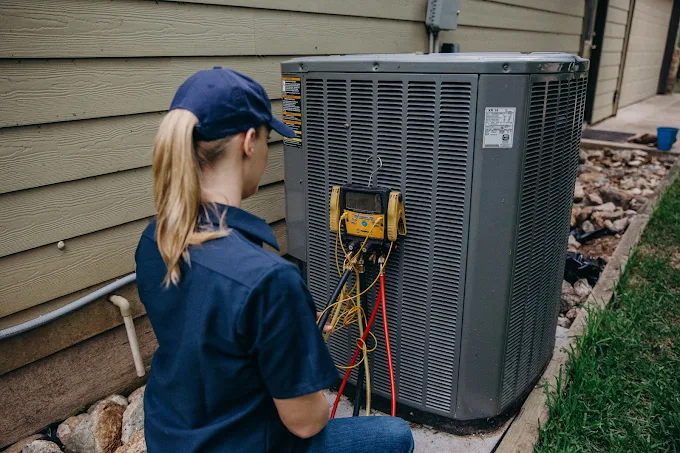
Safe AC Repair Tips Preventing Fire and Leak Risks
If your air conditioner starts acting up in Dallas, TX, it can be tempting to “try something” before calling for help. This guide walks you through practical, homeowner-safe checks that reduce fire risk, limit refrigerant and water leak hazards, and help you describe the problem clearly to your HVAC technician.
Last summer, a homeowner in Dallas noticed the AC running but not cooling well. Then they saw water collecting near the indoor unit and smelled a faint burning odor when the system kicked on. They turned the thermostat off, but they were unsure whether the issue was a simple drainage problem or something more serious.
This guide helps you understand what to check first for safe AC repair decisions, how to recognize signs that point to leak risks, and when it is smarter to stop troubleshooting and call for HVAC service. You will also get a local perspective on what tends to go wrong in the Dallas heat and humidity.
- Quick answer
- What to check first
- Main things customers should understand
- Why this matters in Dallas, TX
- Common mistakes to avoid
- Customer checklist
- Frequently asked questions
Quick Answer
If your AC smells “hot,” you see active leaking, or breakers keep tripping, stop DIY troubleshooting and turn the system off. For safer next steps, check the thermostat settings, confirm the indoor filter is not clogged, inspect the drain line area for obvious clogs, and look at the outdoor unit for blocked airflow. For anything involving refrigerant leaks, electrical components, or repeated shutdowns, schedule professional diagnostics. TemperaturePro can help you identify whether you need AC repair or a different service path before small issues become safety problems.
What to Check First
Start with low-risk checks that do not require tools, open wiring, or touching refrigerant lines. These steps can clarify whether you are dealing with airflow, drainage, or an electrical control problem, while keeping the system safer to evaluate.
- Power safety first: If you notice burning smells, sparking, or repeated tripping, turn the thermostat off and keep the system powered down.
- Thermostat basics: Confirm you are set to cool, the temperature setpoint is realistic, and the fan setting is not stuck.
- Airflow check: Make sure vents are not blocked and that the indoor blower is not constantly struggling.
- Filter condition: If the filter is heavily clogged, replace it. A restricted filter can contribute to overheating and poor cooling.
- Condensate drainage: Look for standing water around the indoor unit. If you see overflow or wet insulation, do not keep running the system.
- Outdoor unit clearance: Remove leaves or debris from around the outdoor condenser. Never block airflow with stored items.
- No refrigerant DIY: Do not attempt to “seal” a suspected refrigerant leak or add chemicals. Leave refrigerant diagnosis to a qualified HVAC technician.
Main Things Customers Should Understand
When AC issues involve safety and leak risks, the goal is to narrow down the cause without escalating the problem. In Dallas, TX homes and small businesses often see rapid changes between indoor humidity and outdoor heat, which can stress drainage systems and affect how hard the compressor runs.
Fire-risk indicators
Watch for burning odors, smoke, charring, melted plastic near electrical components, or breakers that trip soon after start-up. These signs point to electrical or contactor problems that should be handled by a pro.
Leak-risk indicators
Water pooling inside, wet drywall around the air handler, or a continuously overflowing condensate tray can mean a drainage obstruction or a pan issue. Refrigerant leaks are different: they may come with performance drops and unusual frost patterns, and they require specialized diagnosis.
Performance indicators
If the AC is blowing warm air, short-cycling, or struggling to reach set temperature, it can be airflow, control, capacitor, or refrigerant related. The safe approach is to stop repeated start attempts if you see abnormal symptoms.
Professional observation: In the field, “it cools for a minute then stops” often turns into a safety conversation when it is paired with odors, tripping, or water overflow. Those combinations usually mean the system is working outside its normal operating conditions.
Decision table: what your symptom usually suggests
| What you notice | What it can indicate | Safer next step |
|---|---|---|
| Burning smell or smoke | Electrical overheating, contactor issues, or wiring problems | Turn off the system and schedule HVAC repair immediately |
| Water pooling near indoor unit | Drain line clog, condensate pan issue, blocked drain path | Stop running if overflow is active; have the drain system inspected |
| AC not cooling and outdoor fan seems weak | Airflow restriction, condenser issue, or control problem | Check for visible debris and call for diagnostics if performance does not recover |
| Frost on lines/coil during operation | Refrigerant imbalance, airflow restriction, or other system faults | Do not keep restarting; request professional troubleshooting |
| Repeated short cycles | Protection shutdown from airflow, electrical, or operating limits | Investigate underlying cause rather than resetting the thermostat repeatedly |
Representative scenario (how it usually plays out)
A Dallas homeowner calls after noticing that their AC is blowing warm air and the indoor drain area is damp. They replaced the filter and cleared nearby outdoor debris, but the system still struggles. During inspection, the technician finds that drainage is not clearing properly and that the unit is operating in a way that increases stress on components. The safe fix is addressing the drain pathway and verifying system operation, rather than continuing to run a compromised system.
Why this matters in Dallas, TX
Dallas summers bring intense heat and high indoor humidity. That combination can make condensate management more demanding, especially for systems in older homes or units with drain lines that collect buildup over time. If drainage is failing, water can overflow into areas that affect electrical components and insulation. That is why safe AC repair in Dallas, TX often starts with confirming drainage and airflow before deeper electrical or refrigerant troubleshooting.
If you also have heating concerns, it is worth keeping the bigger HVAC picture in mind. A system that is out of balance can create extra wear during seasonal transitions. For example, a preventative AC maintenance visit can reduce the odds of breakdowns when humidity and temperature peak.
Need a safe diagnosis before you keep running the system?
If you are seeing water around the indoor unit, unusual odors, or cooling that never stabilizes, get a professional inspection. TemperaturePro can help identify whether you are dealing with AC inspections, repair needs, or maintenance steps that reduce risk.
Contact TemperatureProCommon Mistakes to Avoid
Most safety issues come from repeated attempts to “work around” a fault. These are the mistakes we see that can increase fire risk or worsen leak hazards.
1) Keeping the AC running after overflow starts. If you see active water near the air handler, do not keep cycling the system. Overflow can damage materials and create conditions that are not safe for components.
2) Resetting the thermostat repeatedly. Short-cycling can be a protection response. Repeated resets can make the underlying issue worse, especially if electrical protection is involved.
3) Ignoring burning smells. A “hot” odor is not something to monitor for days. Treat it as a stop-running sign and call for service.
4) DIY refrigerant handling. Refrigerant leak repair requires proper equipment and safe handling. Trying to patch or recharge without correct diagnosis can create bigger failures.
5) Skipping airflow basics. A clogged filter or blocked return can push the system into abnormal operating conditions. Replace filters and clear airflow paths before you assume it is “just the thermostat.”
Customer Checklist
Use this practical checklist to prepare for an AC repair call and to keep the system safer while you wait. It also helps your technician diagnose faster.
- Document symptoms: Note when cooling stopped, whether it short-cycled, and whether you saw water accumulation.
- Check thermostat settings: Confirm mode is set to cool and the fan is not stuck on a nonstandard setting.
- Inspect filter: Replace it if dirty and record the date you changed it.
- Look for airflow blockages: Confirm supply and return vents are not blocked by furniture, curtains, or storage.
- Inspect for obvious debris: Clear leaves and debris around the outdoor unit. Do not reach into the unit.
- Watch for leak behavior: Note whether water is steady, sudden, or only happens when the AC starts.
- Safety stop rules: If you smell burning, see smoke, or trip the breaker, keep the system off and do not attempt further DIY.
Frequently Asked Questions
These are common questions Dallas, TX homeowners ask when they suspect their AC needs repair but want to reduce fire and leak risks.
What are the safest signs that I should stop using my AC right away?
Stop using the system and power it down if you notice a burning smell, smoke, sparking, repeated breaker trips, or visible charring near electrical components. Also stop if you see active water overflow around the indoor unit or if the system repeatedly starts and stops without cooling. Those symptoms can indicate electrical overheating or drainage failure, and they are not good candidates for DIY fixes.
Can a clogged drain line create a leak risk that affects electrical parts?
Yes. When condensate cannot drain normally, water can build up around the air handler, drip onto nearby surfaces, and damage insulation or materials near components. In humid Dallas conditions, a small drain issue can become a bigger one quickly if the system keeps running. If you see pooling or overflow, do not keep operating the AC. A proper drain inspection helps address the cause, not just the symptom.
Is it okay to keep resetting the thermostat if the AC won’t cool?
No. Repeated resets can hide the real problem and increase wear on parts. If the AC struggles to cool, short-cycles, or shows unusual frost patterns, the system may be protecting itself or operating outside normal conditions. Instead, do basic checks you can do safely (filter, visible airflow blockages), and then schedule professional troubleshooting.
What should I tell a technician about water, odors, and performance problems?
Share when the issue started, whether it happens immediately or after the system runs for a while, and what you noticed first. Mention any water pooling location (near the air handler, around a drain line, or on the floor) and whether you smelled anything unusual when the AC started. If you replaced a filter or cleared debris, note when you did it and whether it changed anything. This helps narrow down whether you need AC repair versus other service.
How does maintenance reduce both leak and safety risks?
Maintenance supports consistent airflow, proper condensate removal, and clean operation. That matters because restricted airflow can contribute to abnormal temperatures, and drainage issues can lead to overflow. An annual service plan also makes it easier to catch early problems before they escalate. If you are preparing for peak cooling weeks in Dallas, scheduling a AC tune-up can be a practical way to stay ahead.
Get safe, clear next steps for your AC in Dallas, TX
If you are dealing with cooling problems, water near the indoor unit, or any burning odor concerns, TemperaturePro can help you identify the cause and the safest repair path. Call or request service using the options below.
(469) 275-1624
TemperaturePro: local HVAC service built around safe operation
TemperaturePro serves Dallas, TX homeowners and businesses with HVAC heating and cooling services, including AC inspections, repairs, and maintenance. If your system is showing signs of abnormal operation, the safest next step is a professional diagnostic that addresses the cause, not just the symptoms.
Explore our related services for your HVAC system needs: AC replacement when systems are beyond economical repair, or ongoing AC maintenance to help prevent future breakdowns.