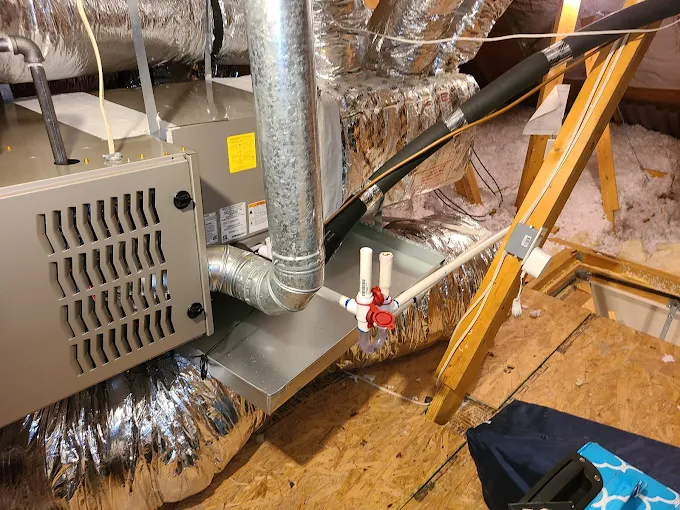
If your furnace is struggling to heat, making unusual changes in performance, or showing signs of improper combustion, you need more than a “works now” fix. This guide helps homeowners in Dallas, TX understand what furnace replacement safety checks should include, what to watch for during service, and how to reduce the risk of carbon monoxide concerns during and after a furnace replacement.
Last winter, a homeowner in Dallas noticed the furnace would turn on but the home never really warmed up the way it used to. A few days later, the thermostat seemed harder to keep steady, and the furnace ran longer than normal. Even if the heat eventually arrived, that “off rhythm” is exactly the kind of clue that can point to a combustion or venting problem.
Because carbon monoxide (CO) is invisible and odorless, the safest approach is to treat furnace replacement like a safety project, not just an equipment swap. Below, you’ll learn what to check first, the main safety factors technicians evaluate, and a practical customer checklist you can use before and after your furnace installation.
- Quick answer
- What to check first
- Main things customers should understand
- Why this matters in Dallas, TX
- Common mistakes to avoid
- Customer checklist
- Frequently asked questions
Quick Answer
If you are replacing a furnace and want to prioritize safety, focus on combustion and venting checks, correct installation, and a thorough furnace safety inspection after the work is completed. A safe replacement includes verifying the furnace is matched to the home, checking the venting system’s integrity and airflow, and confirming the system operates as intended. If you suspect a furnace not heating properly, furnace blowing cold air, or any CO-related concern, stop relying on “it seems fine” and schedule a furnace inspection service with TemperaturePro in Dallas, TX.
What to Check First
Start with the signs you can observe and the questions you can ask. Is your furnace failing to start, cycling rapidly, or running longer without producing heat? Pay attention to any unusual odors, soot buildup around the furnace area, or changes in airflow. If you have a gas furnace, also consider whether the vent path looks disturbed or blocked from nearby construction, storage clutter, or even heavy debris around intake locations.
If the furnace is currently running, check the basics with a careful, homeowner-friendly approach: confirm the thermostat calls for heat, make sure air filters are not severely clogged, and verify that registers are not blocked. These steps do not replace professional testing. They help you decide whether you need furnace troubleshooting, furnace maintenance, or a full furnace replacement safety inspection.
Professional observation: During furnace replacement in Dallas homes, the “safety story” is usually tied to how well the venting and combustion setup match the replacement unit and the existing home conditions. That is why a furnace safety inspection should not be treated as optional.
Main Things Customers Should Understand
When a furnace is replaced, safety depends on multiple interacting parts. The goal is not just to install the equipment. It is to ensure the furnace operates correctly with the venting system, the fuel supply, and the home’s airflow conditions. Technicians typically evaluate the system’s setup and performance before considering the job complete.
1) Correct venting and exhaust flow
Improper venting can lead to combustion byproducts entering the home. A safety-focused installation includes checking the vent pathway and ensuring the system is configured as intended for the furnace model.
2) Combustion performance checks
Even when a furnace turns on, unsafe operation can occur if combustion is not within proper ranges. A furnace service visit should include testing that confirms the unit is burning correctly.
3) System match and control behavior
Oversized or mismatched equipment can create unusual cycling and inconsistent temperatures. That performance issue can also mask underlying furnace problems that deserve furnace inspections and furnace maintenance service.
Decision point: If you are scheduling a furnace replacement, consider pairing it with furnace inspections and furnace maintenance planning. That combination helps reduce the chances that small setup issues become bigger problems later.
| Safety checkpoint | What it helps prevent | When it should happen |
|---|---|---|
| Furnace safety inspection (combustion and venting review) | Improper exhaust handling and unsafe operation | After installation and before you rely on the system |
| Furnace tune-up verification (performance and operation) | Unstable heating performance that can indicate deeper issues | As part of commissioning after replacement |
| Furnace cleaning and airflow checks | Reduced efficiency and equipment stress | During service visits and scheduled maintenance |
| Ongoing furnace maintenance planning | Safety and performance drift over time | Annual furnace maintenance service |
Why this matters in Dallas, TX
Dallas, TX winters may not be as severe as northern regions, but homeowners still run furnaces regularly during cold snaps. In many older Dallas-area homes, ductwork and venting layouts can be more complex than newer builds, and those conditions make careful furnace installation practices especially important. If your home is drafty, has multiple return paths, or uses older duct configurations, the system’s behavior can change after replacement if the setup is not verified.
One firsthand-style observation from the field: homeowners sometimes focus on whether the furnace “fires” and produces air, but safety concerns are more tied to how the furnace handles combustion products under real operating conditions. That is why a furnace inspection should not be skipped when replacing a unit, even if the heat seems to arrive quickly.
Schedule a furnace safety inspection with TemperaturePro
If you are planning a furnace replacement or you suspect furnace not heating, furnace blowing cold air, or inconsistent performance, a safety-first inspection can help you move forward with confidence.
Book furnace inspectionsCommon Mistakes to Avoid
When people replace furnaces, the most common issues are shortcuts that ignore safety-related details. Avoid assuming that a new furnace automatically “fixes” venting concerns. Also avoid relying on surface-level checks like “no obvious leaks” or “it heats eventually.” Those may help, but they do not confirm combustion and venting performance.
- Skipping furnace safety inspection after installation because the system starts up.
- Assuming venting is unchanged when replacement work may require verification of the full exhaust path.
- Ignoring furnace troubleshooting signs such as repeated cycling, persistent failure to heat, or unusual burner behavior.
- Overlooking maintenance gaps like neglected furnace cleaning or overdue furnace maintenance.
- Forgetting the indoor airflow picture by leaving filters clogged or registers blocked right after service.
Customer Checklist
Use this checklist before and after your furnace replacement to keep safety front and center. You can share these items with your service technician so everyone is aligned on what gets verified and documented during the job.
- Confirm the service includes furnace inspections focused on safe operation after installation.
- Ask how the technician will verify venting and combustion performance for your specific furnace model.
- Request a quick walk-through of what to watch for during the first days of operation (heating consistency, cycling behavior, airflow).
- Replace or verify a clean air filter before the system is expected to run continuously.
- Schedule annual furnace maintenance so safety and performance do not drift over time.
- For ongoing comfort, review related service options like furnace maintenance and how it fits your heating schedule.
A representative Dallas home scenario
Imagine a Richardson, TX homeowner with a gas furnace that was struggling to keep the house warm. They schedule a visit because the furnace ran longer than usual and sometimes produced air that felt cooler than expected. TemperaturePro technicians start with furnace troubleshooting, then assess the condition of the heating system and its safe operation needs. If replacement is the right path, the installation is followed by a safety-focused furnace inspection and commissioning checks so the homeowner is not left guessing about performance and safe exhaust handling.
Ready for safer heating this season?
Whether you need a furnace installation, furnace repair, or a furnace safety inspection after a replacement, TemperaturePro helps homeowners in Dallas, TX approach heating with clarity and safety in mind.
Call TemperatureProFrequently Asked Questions
How do I know if my furnace replacement is actually “safe,” not just new?
A safe replacement should include more than the furnace starting and blowing warm air. Ask whether the job includes furnace inspections that verify safe operation, including combustion and venting review for the installed setup. If you are concerned about carbon monoxide, prioritize professional testing and commissioning checks after installation. A technician should be able to explain what was verified and what the system is doing under normal operation, not only during startup.
What symptoms suggest I should schedule furnace inspections instead of waiting?
Schedule a furnace inspection if your system is not heating as expected, runs longer than normal, cycles repeatedly, or you experience furnace blowing cold air. Any soot buildup, unusual performance changes, or persistent discomfort in the home are also good reasons to stop assuming it is “just the thermostat.” In Dallas-area homes, older ductwork and venting layouts can add complexity, so it is wise to verify safe operation when performance shifts after a service or season change.
Can furnace maintenance reduce carbon monoxide risk?
Furnace maintenance supports safe operation by helping catch issues early and keeping the system clean and functioning as designed. While maintenance does not replace professional combustion and venting verification, regular furnace service and annual furnace maintenance service can reduce the chance of performance drift. If you are replacing a furnace, combine the new installation with furnace maintenance planning so you have consistent checks over time rather than waiting until something feels “off.”
Should I replace an older furnace even if it heats sometimes?
Replacement decisions should be based on the condition of the heating system and what the safety and performance checks show. If your furnace is heating inconsistently, running longer than usual, or showing signs that it is not operating correctly, a furnace safety inspection and furnace troubleshooting can clarify whether repair, tune-up, or furnace replacement is the best path. A professional evaluation helps you avoid replacing a unit without addressing the underlying setup or system performance issues.
Is it worth scheduling furnace tune-up and furnace inspections together?
For many homeowners, yes. A furnace tune-up focuses on optimizing operation and comfort, while furnace inspections emphasize safe operating conditions. After a furnace installation or if your system behavior has changed, combining these service goals can provide a more complete picture. If you are also planning seasonal upkeep, you can coordinate furnace maintenance and furnace cleaning as part of a consistent plan so your heating system stays dependable.
TemperaturePro: local HVAC heating services in Dallas, TX
TemperaturePro provides HVAC heating services focused on practical comfort and careful furnace safety. From furnace repair and furnace tune-up to furnace installation and furnace inspections, our team helps Dallas, TX homeowners make informed decisions about their heating systems. If your furnace is not performing as expected, or you want a safety-first approach during furnace replacement, TemperaturePro is ready to help.
Explore related services like furnace repair, furnace installation, or furnace tune-up.