How Often Should Commercial HVAC Maintenance Be Scheduled
A practical schedule for Dallas, TX facilities, plus what to check between tune-ups so your heating and cooling stay reliable through Texas seasons.
A few weeks before a busy season, you notice the thermostat cycling more than usual. Then an employee says the office feels stuffy, another mentions it’s colder near one hallway, and suddenly it is not just “comfort.” It is productivity, energy use, and a building system you rely on every day.
If you run a commercial space in Dallas, TX, you also know the weather can swing quickly. That means commercial HVAC maintenance needs a real plan, not an afterthought. This guide helps you understand how often to schedule maintenance, what to prioritize, and how to spot common warning signs before they turn into downtime.
- Quick answer
- What to check first
- Main things customers should understand
- Why this matters in Dallas, TX
- Common mistakes to avoid
- Customer checklist
- Frequently asked questions

Quick Answer
Most commercial HVAC systems do best with scheduled maintenance at least twice per year: once before the cooling season and once before the heating season. If your building runs long hours, has heavy occupancy, or the system is older or struggling, consider additional seasonal checkups or a more frequent filter and inspection cadence. A good maintenance visit focuses on safety, airflow, electrical connections, refrigerant-related checks, and cleaning where needed. If you are unsure, start by scheduling a commercial HVAC inspection and build a plan around what the system actually needs.
What to Check First
Before you decide on a schedule, look at how your system is performing and what you already know from recent service records. Start with basic operational signs: uneven comfort, unusual noises, frequent cycling, higher-than-normal energy bills, and recurring calls for the same problem. Then confirm what is already in place, like filter changes, thermostat settings, and whether coils and drain lines are being kept clean as recommended by the maintenance plan. This first pass prevents you from “over-scheduling” while missing the real issue.
Main Things Customers Should Understand
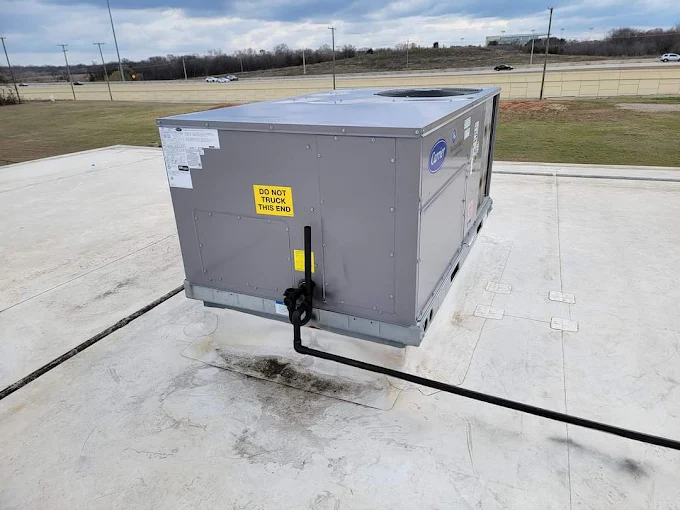
Commercial HVAC maintenance frequency depends on how the equipment is used, what type of system you have, and what conditions it operates in. A rooftop unit serving a retail space that runs all day will experience different wear than a smaller unit in a light-traffic office. Below are the main factors that typically change how often maintenance should be scheduled and what should be covered during each visit.
Run time and occupancy
Systems that run longer and handle higher occupancy tend to need tighter maintenance intervals, especially for airflow components and filtration.
System type
Rooftop units, packaged units, and heat pump setups often have different maintenance focuses. Align your schedule with the equipment you actually run.
Building conditions
Dust, humidity, and airflow restrictions can accelerate buildup. In those cases, maintenance may need to happen more often even if the calendar stays the same.
Professional observation: If your team is adjusting thermostats to “make it work,” that usually signals airflow, control, or system health problems that maintenance can uncover early.
Why This Matters in Dallas, TX
In Dallas, TX, many commercial buildings feel the swing between hot cooling demand and heating needs during transitional periods. That is when systems often get pushed harder and cycling increases. Scheduling maintenance before each season helps ensure coils, airflow paths, and safety-related components are ready. If you also manage comfort-sensitive spaces like reception areas, conference rooms, or medical-adjacent offices, the margin for uneven temperatures is smaller, so a consistent plan matters.
| System and building scenario | Typical maintenance cadence | What this helps prevent |
|---|---|---|
| Commercial HVAC serving standard business hours | At least 2x per year (pre-cooling and pre-heating) | Comfort complaints, reduced airflow, and preventable wear |
| High occupancy or long run times | 2x per year plus additional checkups as needed | Clogging, airflow imbalance, and repeated performance issues |
| Older equipment or recurring service calls | 2x per year with closer follow-up after problem areas are found | Small issues turning into system-level failures |
| Comfort hot spots (one zone too warm or too cold) | Maintenance focused on airflow and controls, then reassess | “Thermostat fixes” that do not solve the underlying cause |
Representative scenario: a Dallas office building
One property manager in Dallas, TX told us the HVAC “worked” but comfort was inconsistent across floors. The system would cool the common areas, then fall behind in meeting rooms during the afternoon. After an inspection, the maintenance plan emphasized airflow checks and cleaning priorities, then matched the schedule to the building’s actual load. The goal was not to run the system harder, but to make sure it could move air correctly and respond predictably throughout the day.
Build a commercial HVAC maintenance plan for your Dallas property
TemperaturePro can help you set a schedule based on your equipment and how your building operates, so maintenance time targets the issues that matter most.
Talk with TemperatureProCommon Mistakes to Avoid
Even well-meaning teams can get stuck on the wrong maintenance habits. The biggest mistakes are usually about timing, scope, and assumptions. Avoid these issues so maintenance supports reliable heating and cooling instead of turning into a checklist exercise.
- Waiting for breakdowns: If you only schedule service after comfort problems start, you lose the benefit of early detection.
- Using the same schedule for every system: Equipment age, run time, and building conditions change what “enough” means.
- Skipping airflow-related checks: Filters, coil cleanliness, and airflow paths often drive performance more than people expect.
- Assuming a one-time tune-up fixes recurring comfort issues: If hot and cold spots keep returning, the maintenance plan needs a targeted follow-up.
- Overlooking related systems: If your building comfort includes air quality concerns, duct cleaning or air filtration may affect how the HVAC performs.
Customer Checklist
Use this practical checklist to decide what to schedule now and what to document for the next maintenance visit. It is written for commercial building managers and owners, so you can align maintenance with actual operating conditions in Dallas, TX.
- Confirm your maintenance cadence: Plan for at least two seasonal visits and adjust based on run time and comfort issues.
- Track performance symptoms: Note when the system struggles, which zones are affected, and any recurring alerts.
- Document recent service history: Keep a simple log of what was cleaned, inspected, or repaired.
- Verify filtration and airflow basics: Ensure filters are changed on schedule and that air returns and supply areas are not blocked.
- Review indoor air comfort concerns: If air feels stale or dusty, ask about HVAC system checks alongside duct cleaning and filtration options.
- Schedule the next visit before seasonal spikes: Avoid waiting until the hottest cooling weeks or the first sustained cold period.
Practical recommendation: If you want a starting point for your facility, schedule a commercial HVAC inspection and use the findings to set your maintenance frequency. That approach is especially helpful for buildings that have comfort complaints or inconsistent performance.
Visit TemperaturePro’s commercial HVAC services to discuss what your system needs.
Frequently Asked Questions
How often should commercial HVAC maintenance be scheduled in Dallas, TX?
For most commercial facilities, a solid baseline is scheduling maintenance at least twice per year: once before cooling season and once before heating season. Dallas, TX conditions can create fast seasonal transitions, and systems may cycle more during those periods. If your building runs longer hours, has higher occupancy, or the equipment is older, you may benefit from additional checkups targeted to the issues you notice, like uneven comfort or recurring performance problems.
Does maintenance frequency change for rooftop units or packaged systems?
Often, yes. Rooftop units and packaged systems typically have components and airflow paths that need attention based on how the unit is installed and how the building loads it. Even when you keep a seasonal cadence, the scope of what gets inspected and cleaned can differ. A facility that sees dust, high occupancy, or extended run time may need a maintenance plan that includes extra focus on airflow and cleanliness, rather than simply repeating the same visit each time.
What signs mean we should schedule maintenance sooner than planned?
Schedule maintenance sooner if comfort issues start appearing between planned visits, such as rooms that stay too warm or too cold, unusual noises, frequent cycling, or a noticeable drop in cooling or heating performance. If you are changing thermostat settings more often to keep people comfortable, that is another signal. Document when the issue occurs and which areas are affected so the next service visit can focus on the likely causes.
Can commercial maintenance help with energy costs?
Maintenance supports efficiency by helping the HVAC system deliver the airflow and performance it is designed for. When coils are clean, airflow paths are clear, and components are operating as intended, the system does not have to work as hard to maintain comfort. While energy costs depend on many factors, maintenance can reduce avoidable strain that comes from restricted airflow, buildup, or equipment that is out of balance.
We are having comfort complaints. Where should we start?
Start with a commercial HVAC inspection so the maintenance plan is based on what the system is doing in your building. If your concerns include air quality or dust buildup, you can also consider related services such as duct cleaning and indoor air quality improvements. TemperaturePro can help you connect the dots so the schedule addresses both performance and comfort drivers.
Ready to schedule commercial HVAC maintenance in Dallas?
TemperaturePro can help you set a maintenance rhythm that matches your equipment and how your building runs, so comfort stays consistent through Dallas seasons.
Call (469) 275-1624
TemperaturePro provides HVAC services for Dallas, TX businesses and property managers, including commercial HVAC support designed to keep heating and cooling systems performing reliably.
If you need help mapping out maintenance timing or addressing comfort concerns, contact TemperaturePro at (469) 275-1624 or explore services at temperatureprodallas.com.
Related resources: commercial HVAC, AC maintenance, duct cleaning, and AC inspections.