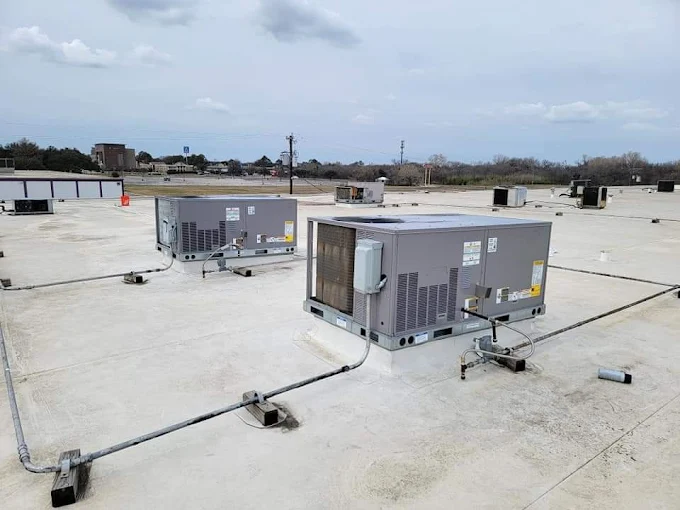
AC Repair Safety Tips to Prevent Carbon Leaks
If your home in Dallas is feeling “off” after an AC repair, you do not want to guess. This guide helps you recognize unsafe signs early, understand what a proper AC service should check, and avoid common mistakes that can contribute to dangerous exhaust and indoor air risks.
Last winter, a homeowner in Dallas noticed a sharp, stale smell near the utility closet after a heating-related call. A few days later, their AC ran fine, but the indoor air still felt heavy, and they started worrying they might be dealing with a bigger safety issue than comfort.
If you are concerned about carbon monoxide exposure or “carbon leaks,” the fastest path is to treat it like a safety problem, not a tune-up problem. Below, you will learn what to check first, what technicians look for during HVAC heating and cooling service, and when to stop using equipment and call for help.
- Quick answer
- What to check first
- Main things customers should understand
- Why this matters in Dallas, TX
- Common mistakes to avoid
- Customer checklist
- Frequently asked questions

Quick Answer
If you suspect a carbon safety issue after AC repair, stop operating the system and contact TemperaturePro for an inspection that focuses on safe operation and indoor air conditions. Start by checking for obvious warning signs such as unusual odors, soot, or symptoms like headaches or dizziness, and ensure combustion air and venting pathways are not blocked. Do not rely on “it seems to cool” as proof everything is safe. A proper HVAC heating and cooling safety evaluation is the right next step in Dallas homes.
What to Check First
Before you schedule anything, confirm whether there are immediate danger signs. If anyone in the home is feeling dizzy, nauseated, unusually fatigued, or has headaches that improve when they leave the building, treat it as a safety concern and call for professional help right away.
Odors and visible signs
Notice fuel-like or “stale exhaust” smells. Look for soot around furnace areas, discoloration on nearby surfaces, or water staining that could indicate venting or draft problems.
Airflow and pressure clues
If the system’s airflow seems weak or rooms feel unusually pressurized or under-ventilated, it may point to a problem that needs a full safety-oriented inspection.
Clear access to equipment
Make sure vents, grilles, and service access panels are not blocked by storage, rugs, or stacked items. Restricted airflow can interfere with safe operation.
For homeowners who are trying to connect the dots between cooling performance and safety, the key is to remember that many “AC repair” situations involve the overall HVAC system, including how heating equipment and air movement work together. If your system includes a gas furnace, safe operation depends on more than cooling performance.
Main Things Customers Should Understand
Preventing dangerous exhaust or indoor air conditions is about safe system operation and correct setup, not quick fixes. In practice, it usually comes down to venting/drafting, combustion safety, airflow balance, and whether repairs were completed in a way that restores the system to safe, designed operation.
Professional observation: When a homeowner reports an “AC repair” concern plus strange odors or lingering indoor discomfort, we treat it as a whole-system safety check. Cooling may still run, but the heating side, airflow path, or pressure relationships can be the real issue.
1) “Carbon leak” concerns are often comfort plus combustion clues
People commonly use “carbon leak” to describe carbon monoxide risk or exhaust-related symptoms. While AC itself is not a combustion device, HVAC systems are interconnected. If your home has gas heating, any unsafe venting or draft problem can cause exhaust gases to enter the living space.
2) Repairs should restore safe operation, not just airflow
After repair work, a safe outcome means the system is operating as designed. That includes checking that relevant components are properly assembled, that air movement is correct, and that the system does not create unsafe conditions.
3) Annual inspections reduce “surprise” safety problems
In Texas, HVAC systems often cycle through seasons quickly. Annual service helps catch early issues like restricted airflow, failing components, or setup problems before they become safety concerns. If you are scheduling service, ask for a furnace safety inspection approach when gas heat is involved and an AC inspection approach for cooling performance.
| What you notice | Likely area to check | Best next step |
|---|---|---|
| Unusual odor after HVAC repair | Airflow paths and safe operation of connected heating equipment | Schedule a safety-focused HVAC inspection |
| Headache or dizziness while system runs | Indoor air and potential exhaust risk | Stop using the system and call TemperaturePro for inspection |
| Weak cooling or uneven rooms | AC performance and system checkup | Book AC service, then verify overall system operation |
| Soot or discoloration near heating areas | Venting/drafting and combustion safety | Request a furnace safety inspection |
Why this matters in Dallas, TX
In Dallas, homes can be tightly sealed or have older ductwork, and that changes how pressure and airflow behave. When a system is repaired, the balance between return air, supply air, and any heating venting pathways matters. During seasonal transitions, cycling and humidity swings can also make airflow issues more noticeable, so a “cooling problem” can sometimes mask a safety-related airflow or venting issue.
If you are in Richardson, TX or nearby, the same principle applies: the goal is to keep your HVAC system operating safely while it moves air efficiently through your home. TemperaturePro handles both cooling and heating service needs, so when a concern spans the system, you get one coordinated plan instead of separate guesswork calls.
Get a safety-first HVAC check from TemperaturePro
If you are worried about indoor safety after AC repair, schedule an inspection so a technician can verify safe operation and correct system conditions.
Contact TemperatureProCommon Mistakes to Avoid
Even careful homeowners can get stuck on the wrong problem. Here are common mistakes that can increase risk or delay the right fix.
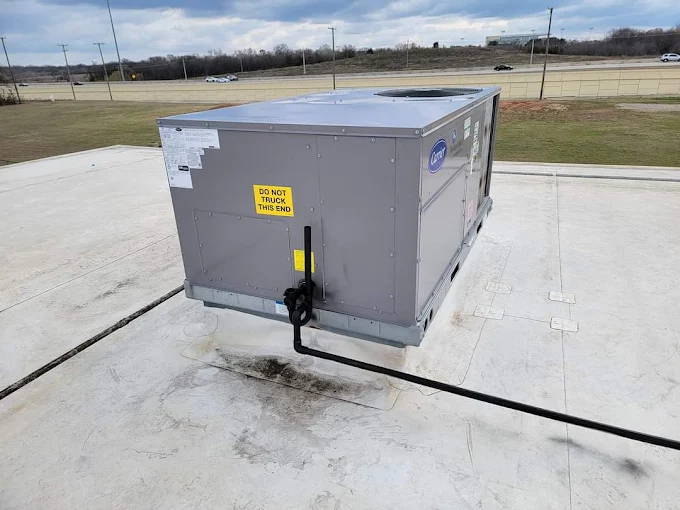
- Continuing to run the system despite unusual odors or symptoms in the home.
- Assuming cooling performance means the heating side is also safe (especially with gas furnaces).
- Covering vents, blocking returns, or storing items near equipment access panels.
- Only replacing parts without verifying proper setup and safe operating conditions.
- Using “temporary fixes” like adjusting registers to extreme positions instead of correcting the system issue.
- Skipping annual furnace inspections and furnace maintenance service when symptoms first appear.
When the call starts as an AC repair, it can still be appropriate to review heating safety components and airflow balance. If your HVAC includes a gas furnace, a furnace inspection is often the practical way to confirm safe operation rather than guessing.
Customer Checklist
Use this checklist before your technician arrives and as follow-up after service. It helps you document symptoms and ensures you ask the right questions.
Customer checklist focus: safety signs, airflow clues, and documentation that speeds up the inspection.
- Write down when the issue started and whether it began right after an AC repair or heating service.
- Note any odors, visible soot, or discoloration near equipment areas.
- List any symptoms experienced by anyone in the home while the system runs (headache, dizziness, nausea).
- Confirm return and supply vents are unobstructed and filters (if applicable) are in place correctly.
- Check whether doors to equipment areas are accessible and not blocked by stored items.
- Ask for an AC inspection if cooling seems inconsistent, and a furnace safety inspection if gas heating is present.
- After service, confirm the system runs normally and ask what checks were completed for safe operation.
Representative scenario: Dallas homeowner after an AC repair
A family in Dallas had an AC system serviced for poor cooling. A few days later, they noticed a persistent “off” smell when the system cycled, and one person felt lightheaded briefly while the unit was running. They also observed that air felt uneven, with some rooms cooling faster than others.
Instead of continuing to run the system to “see if it goes away,” they scheduled a safety-first inspection with TemperaturePro. The technician reviewed how air moved through the home, checked equipment conditions related to safe operation, and verified correct system setup. The result was a clear fix path rather than repeated trial-and-error.
Frequently Asked Questions
Can an AC repair cause a carbon monoxide or “carbon leak” safety risk?
AC systems themselves do not produce combustion gases, but HVAC systems are connected. If your home has gas heating, unsafe venting, draft issues, or incorrect setup after repair can contribute to exhaust entering the home. If you notice unusual odors or symptoms like headaches or dizziness, treat it as a safety issue and stop using the system until it is inspected.
What should I check right away if I smell something after service?
Start with immediate safety clues. If anyone feels dizzy, nauseated, or has headaches while the system runs, do not keep operating the equipment. Also check for obvious signs such as soot, discoloration, or blocked vents and returns. Document when the odor appears and whether it started right after the repair so the technician can focus the inspection.
How do I know whether I need AC inspections or furnace inspections?
If the main problem is cooling performance, an AC inspection is the right starting point. If you have gas heat and you are concerned about safe operation, a furnace inspection or furnace safety inspection approach is also important. Many homeowners benefit from a coordinated HVAC check because airflow and pressure relationships can affect both heating and cooling comfort.
Are there simple steps homeowners can take before a technician arrives?
Yes. Keep vents and returns unobstructed, ensure access panels are not blocked, and avoid extreme register adjustments that can worsen imbalance. Write down symptoms and timing, and if you have a gas furnace, be extra cautious about using the system when odors or health symptoms are present. These steps help your technician confirm the right cause quickly.
What internal services might be relevant if the issue is safety-related?
Depending on what you find, you might need furnace inspections, furnace maintenance service, or AC inspections. TemperaturePro also supports heating repairs and cooling repairs across residential systems. If you are unsure where the problem is coming from, scheduling a safety-first inspection helps connect the details and prevents repeated guesswork.
Ready for a safety-first inspection in Dallas, TX?
TemperaturePro can help you verify safe HVAC operation and address the root cause behind cooling concerns and indoor safety worries. If you suspect a carbon safety issue, do not wait.
(469) 275-1624
About TemperaturePro
TemperaturePro provides HVAC heating and cooling services for homeowners and businesses in Dallas, TX and Richardson, TX. Whether you need furnace repair, furnace tune-up, furnace inspections, AC repair, AC tune-ups, or ongoing HVAC maintenance, our focus is on practical, safety-minded service that helps your system operate correctly and comfortably.
Helpful related services: AC repair, AC inspections, furnace inspections, furnace tune-up.