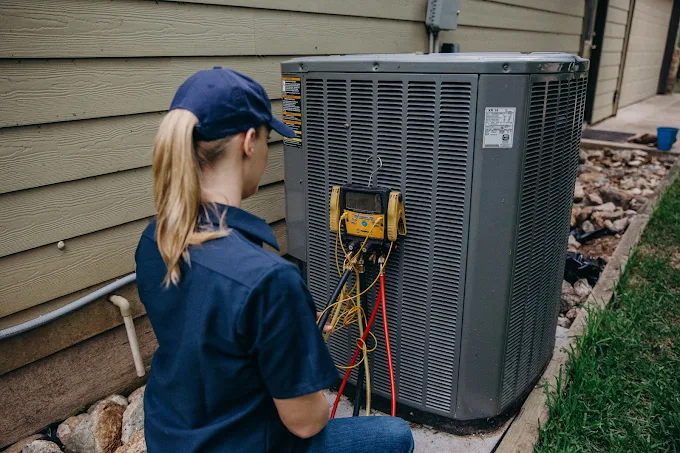
AC Repair Safety Tips: Prevent Risks and Breakdowns
If your air conditioner is struggling, it can be tempting to “try something” before calling for help. This guide walks you through practical, safety-first checks you can do at home, plus clear signals that mean your system needs a professional HVAC repair in Dallas, TX.
It starts small: the AC runs, but the house feels warmer than it should. Or you notice the air is blowing, yet it is not cooling. In Dallas summers, that slow slide toward discomfort can happen fast, and people often want to troubleshoot right away.
The risk is that some “repairs” can create electrical hazards, damage the system, or make a refrigerant problem worse. This guide helps you understand what you can safely check, what to stop doing, and when to switch from DIY attention to professional service.
- Quick Answer
- What to Check First
- Main Things Customers Should Understand
- Why This Matters in Dallas, TX
- Common Mistakes to Avoid
- Customer Checklist
- Frequently Asked Questions

Quick Answer
If your AC is not cooling, start with safe checks: verify the thermostat setting and mode, confirm the indoor air handler is running, inspect vents for blockage, and check the circuit breaker for tripped power. Do not open electrical panels, bypass safety switches, or attempt refrigerant “top-offs.” If you smell burning, see significant ice buildup, or notice repeated breaker trips, stop troubleshooting and contact TemperaturePro for AC repair. For best long-term reliability, schedule regular AC maintenance and inspections so small issues are found before they become system shutdowns.
What to Check First
Before you touch anything electrical, take a minute to narrow down what the system is doing. These steps are designed to keep you safe while you gather useful information for HVAC troubleshooting.
Safety rule: If you see water near electrical components, smell smoke, or notice sparks, stop and call a professional. Avoid continuing to run the system while you investigate.
Main Things Customers Should Understand
AC repairs are not just about comfort. Many safety protections exist to prevent damage when components fail or when airflow and refrigerant conditions are off. Understanding a few key patterns helps you avoid unsafe “fixes” and get to the right next step sooner.
| What you notice | Why it matters for safety | What to do |
|---|---|---|
| AC not cooling, but indoor fan runs | Could indicate an airflow or refrigerant-related issue, which can lead to icing under the wrong conditions. | Check vents and thermostat settings, then schedule an AC repair diagnosis. |
| Repeated breaker trips when AC starts | Breaker trips can signal an electrical fault. Resetting repeatedly can increase risk and cause further damage. | Stop resetting and contact a technician for HVAC repair and safety checks. |
| Heavy ice buildup on indoor coil | Ice often forms when airflow is restricted or the system is not operating normally. Running it can worsen conditions. | Turn off the system and arrange service. Do not chip ice or spray it with hot water. |
| AC refrigerant odor (or strong unusual smell) | Refrigerant leaks and electrical problems can both create concerning odors. Handling refrigerant is not a homeowner task. | Shut down and call TemperaturePro for inspection and repair. |
Professional observation: In the field, the safest “first step” is always separating thermostat and power issues from airflow and cooling performance. When customers skip that and start opening panels or moving wires, small problems can turn into larger repairs.
Why This Matters in Dallas, TX
Dallas, TX summers can be brutally humid, and that affects AC performance. When humidity is high, restricted airflow or a struggling coil can create faster ice buildup and more frequent cycling. If you have an older system or ductwork that is not fully sealed, the AC may work harder to cool the space, raising wear on components.
In nearby Richardson, TX as well, many homes have similar challenges like seasonal dust buildup, attic heat loads, and airflow that changes as filters and vents age. A routine AC maintenance visit helps catch safety-related and performance issues early, before they show up during peak heat.
Common Mistakes to Avoid
Some DIY actions are risky, and some simply waste time. These are the most common issues we see when homeowners try to troubleshoot an AC problem without the right training or tools.
Practical recommendation: If you suspect an AC refrigerant leak or the system is repeatedly icing, do not attempt DIY refrigerant handling. A proper leak check and repair is the safer path to restoring cooling performance.
Customer Checklist
Use this short checklist when your AC starts acting up. It keeps things safe while you gather the right details for troubleshooting.
- Verify thermostat is set to Cool and fan is set to your normal preference.
- Confirm the indoor unit runs when cooling is called for (or note if it stays silent).
- Check air registers and returns are open and not blocked.
- Replace or inspect the air filter if it is visibly dirty or overdue.
- Look for unusual smells, smoke, or water near electrical components.
- Note whether the outdoor unit starts, and whether the system cycles on and off rapidly.
- If the breaker trips, stop resetting and schedule service.
What to write down: Include the thermostat setting, whether indoor airflow is present, and what you observed (icing, odors, cycling). That information helps your HVAC technician diagnose faster and safer.
Representative scenario: a common Dallas AC problem
A homeowner in Dallas, TX notices the AC runs but the rooms feel muggy. After a day of high humidity, they find the indoor coil area is developing ice, and the system starts stopping and starting. They check the thermostat and confirm it is set to cool, and they ensure the vents are not blocked. Because the system is icing and cycling, they turn the AC off instead of trying to “thaw it” by running it harder. TemperaturePro then performs an inspection focused on airflow and cooling performance, so the system can cool safely again without repeated strain.
Frequently Asked Questions
Is it safe to keep running the AC if it is blowing warm air?
Warm air usually means the system is not meeting cooling conditions. If you can cool the home by adjusting the thermostat and the system responds normally, it may be a control setting issue. If it continues to blow warm air, repeatedly cycles, or you notice icing, it is safer to turn the system off and schedule an inspection. Continuing to run a struggling system can increase wear and can worsen icing-related problems.
What should I do if my AC breaker trips when the system starts?
A tripped breaker is a safety signal. Stop resetting it and avoid repeated attempts to start the unit, since that can indicate an electrical fault. Instead, contact TemperaturePro for HVAC repair and safety-focused troubleshooting. A technician can inspect the system, confirm what protection triggered, and identify the underlying cause.
Can I clean the outdoor unit myself to improve cooling?
Light, safe cleaning like removing loose debris from around the outdoor unit can help airflow. Avoid opening panels, spraying directly into electrical areas, or using harsh methods that could damage components. If you suspect airflow restrictions inside the system, a professional inspection is the safer way to identify the real cause. Regular AC inspections also help catch problems before performance drops.
What is the difference between an AC tune-up and AC repair?
An AC tune-up is typically preventive. It focuses on checking operation, cleaning and inspecting parts, and confirming the system is running correctly. AC repair addresses a specific failure or symptom like poor cooling, strange noises, refrigerant-related concerns, or electrical issues. If the system is not cooling or is cycling oddly, repair is usually the right next step, followed by preventive service to reduce future breakdowns.
How often should I schedule AC maintenance in Dallas, TX?
Many homeowners schedule AC maintenance on a regular cycle that fits their usage and system age. In Dallas, TX conditions can push AC systems harder during peak heat and humidity, so preventative service helps maintain airflow and safe operation. TemperaturePro can recommend a maintenance schedule based on your equipment and the symptoms you are seeing, including whether you may benefit from an AC tune-up or AC repair first.
Get a safety-focused AC diagnosis
If your AC is not cooling, icing up, or tripping breakers, a careful inspection is the safest way to identify what is happening and prevent repeat breakdowns.
Contact TemperatureProFinal CTA: keep your system reliable
When the AC is running safely and efficiently, comfort is more consistent and the system has less strain. If you are planning ahead, consider preventive service that supports safer operation and steadier cooling through Dallas summers.
Schedule AC service for Dallas and Richardson
TemperaturePro helps homeowners and businesses with AC maintenance, inspections, and AC repair when something is not working right.
(469) 275-1624
About TemperaturePro
TemperaturePro serves Dallas, TX and nearby Richardson, TX with heating and cooling services, including AC inspections, AC tune-ups, AC repair, and AC system support. If you are dealing with AC not cooling, AC blowing warm air, or performance issues that may be tied to airflow or component problems, TemperaturePro can help you move from guesswork to a clear, safety-first diagnosis.