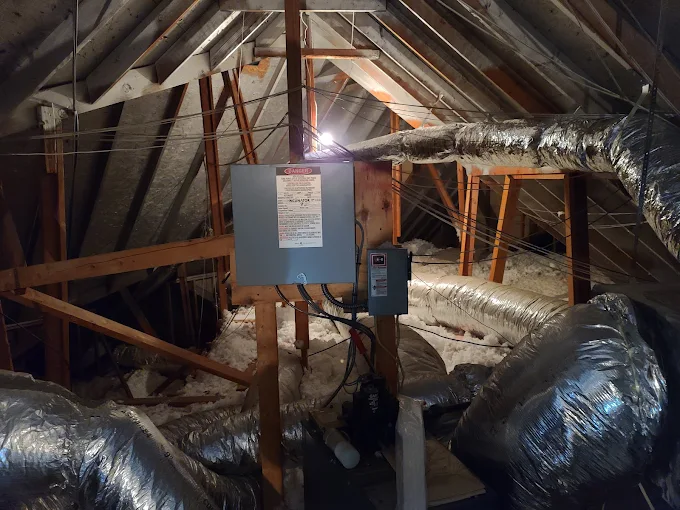
A couple of mornings ago, one of our Dallas homeowners called after their furnace started acting “almost right.” It would fire up, blow warm for a few minutes, then the heat would fade. By the time the family finished breakfast, the house felt colder than it should have. They were trying to decide whether to schedule another repair—or upgrade to a new system before the next cold snap.
This guide helps you make that decision the smart way. We’ll walk through what to check first, the main factors behind furnace replacement vs. repair, and how to plan a furnace upgrade that’s built for real comfort and lower operating costs in the Dallas, TX climate.
Quick Answer
If your furnace is struggling to heat consistently, keeps needing repeat Furnace Repair, or is nearing the end of its service life, replacement is often the most cost-effective path—especially when you also address airflow and maintenance issues that can make a new system perform poorly.
For many Dallas-area homeowners, the best “lower bills” upgrade comes from combining high-efficiency furnace installation with a proper furnace inspections process and airflow verification (not just swapping the equipment).
Key takeaway: A new furnace can reduce energy use, but only if it’s sized correctly, installed correctly, and matched to your ductwork and thermostat setup.
What to Check First
Before you decide on a furnace replacement, do a quick, practical check. This helps you avoid misdiagnosis and keeps your repair or upgrade plan grounded in what your system is actually doing.
- Confirm the symptoms: Is it Furnace Not Heating entirely, or is it heating briefly then failing?
- Check the thermostat: Setpoint, mode (heat), and whether it cycles normally or stops early.
- Look for warning signs: unusual noises, frequent short cycling, or a smell of gas (if you suspect gas odor, step outside and call for help).
- Inspect the air filter: a clogged filter can cause overheating and limit airflow—often mistaken for a “bad furnace.”
- Review maintenance history: if you haven’t had regular furnace maintenance, the system may be running inefficiently even if it still “works.”
Pro tip: When a furnace runs but won’t maintain heat, many homeowners focus on the burner or igniter. In real installs, we often see the bigger efficiency problem tied to airflow—filters, return vents, duct restrictions, or blower performance. That’s why an inspection matters before you buy.
Main Factors for a Furnace Upgrade
“Lower bills” sounds straightforward, but the best furnace replacement plan depends on what’s causing the current inefficiency and how your home delivers heat. Here are the main factors customers should understand.
1) Repair vs. Replace: what the system is telling you
Some furnace issues are straightforward and fixable. Others keep returning because the underlying problem is the system aging out, mismatched to your ductwork, or operating with failing components that affect efficiency.
In practice, we typically see replacement make more sense when you have:
- Repeat Furnace Repair calls for similar symptoms
- Frequent furnace troubleshooting with no lasting improvement
- Signs of failing components that also impact safe operation and fuel use
- Older equipment where efficiency gains from a modern furnace are meaningful
If you’re already thinking about upgrade timing, you can start by reviewing furnace inspections to understand what’s actually limiting performance.
2) Efficiency is only half the equation
High-efficiency furnace installation can reduce fuel use, but installation quality and system matching determine whether you feel the savings.
Ask about:
- Correct sizing for your home’s heating load
- Vent/combustion check for safe and efficient operation
- Airflow verification (blower performance and duct airflow)
- Thermostat setup so the furnace cycles properly instead of fighting the control strategy
3) Gas vs. electric (and what “lower bills” really means)
Choosing Gas Furnace Installation or Electric Furnace Installation depends on your home, existing infrastructure, and utility rates. The “best” choice for lower bills usually comes down to your specific setup and load.
If your home has ductwork and returns already designed for a gas furnace, switching types can be more complicated than simply changing equipment.
| Upgrade path | What it typically improves | Where homeowners notice savings |
|---|---|---|
| New high-efficiency furnace installation | Better fuel-to-heat performance when installed and tuned correctly | More consistent temperatures and fewer “overworking” cycles |
| Furnace system replacement with airflow checks | Improved comfort by fixing restrictions/airflow imbalance that reduce efficiency | Homes that feel uneven—warm rooms, cold rooms, or heat fading |
| Furnace tune-up + correction first (when repairable) | Restores performance and reduces waste from worn parts or dirty operation | Systems that are close to normal but not maintaining heat |
4) Don’t skip the “supporting cast”: maintenance and tune-ups
Even the best furnace replacement can be undermined by neglect afterward. A modern system still needs routine furnace maintenance service and periodic inspections to stay efficient.
If you’re trying to reduce bills without rushing to replace, start with furnace tune-up and address what the technician finds.
Planning a furnace upgrade in Dallas?
TemperaturePro helps homeowners in Dallas, TX and Richardson, TX compare repair vs. furnace replacement and build a lower-bill plan around your actual system and airflow—not guesswork.
Call (469) 275-16245) A realistic example: why one “repair” didn’t fix the bills
Here’s a common (anonymized) situation we see: a homeowner schedules Residential Furnace Repair because the furnace starts up but struggles to keep the house warm through the evening. The ignition and burner are serviced, and for a short time things feel better.
But the system continues to cycle oddly because airflow is limited. The filter was rarely changed, and return airflow was restricted by furniture placement and a partially closed return vent. The furnace wasn’t “broken” in the way you’d expect—its performance was being throttled. After a full inspection and an efficiency-focused correction plan, comfort improved and the system ran less wastefully.
This is exactly why an upgrade decision should include both equipment and distribution checks.
Why this matters in Dallas, TX
Dallas winters can be mild, but they’re still unpredictable—one week you’re running the furnace occasionally, and the next you’re trying to hold indoor temperatures steady during cooler nights. That cycling pattern is hard on systems that are already operating inefficiently.
In the Dallas area, we also see a lot of homes with ductwork that wasn’t maintained consistently over the years—especially when families focus on cooling seasons and postpone heating maintenance. Add to that temperature swings that can expose airflow problems, and you get a furnace that may run longer than it should, pushing monthly heating costs up.
The locally practical approach is to treat furnace replacement as a system improvement project: equipment + airflow + safe operation + proper maintenance planning.
Common Mistakes to avoid
These are the missteps that most often lead to higher bills (or repeat problems) after a furnace decision.
- Replacing before diagnosing the real limiter: If the furnace is heating briefly, it’s not always a “bad unit.” Airflow restrictions and setup issues can make a new system underperform.
- Choosing efficiency on the sticker alone: A high-efficiency furnace installation won’t deliver savings if sizing, installation, or ductwork conditions are off.
- Skipping furnace safety inspection: Combustion and venting safety checks matter for both performance and reliability.
- Ignoring routine furnace maintenance: Annual furnace maintenance is what helps prevent small issues from turning into bigger efficiency problems.
Customer Checklist
Use this checklist to stay organized when you’re deciding between furnace repair, furnace installation, and furnace replacement.
| Decision step | What to ask or verify | Why it affects bills |
|---|---|---|
| Confirm the symptom pattern | When does it fail (start-up, mid-cycle, after a call for heat)? | Helps identify whether it’s a controls, airflow, or component issue |
| Safety and performance checks | Ask about furnace safety inspection items during diagnosis | Safe combustion and proper venting support efficient operation |
| Airflow and duct verification | Check filter condition, returns, and airflow delivery | Restricted airflow can cause longer run times and poor comfort |
| Sizing and system match | Confirm the furnace size matches your heating needs | Oversized or undersized systems can increase fuel use |
| Post-install plan | Schedule furnace maintenance and inspections to protect efficiency | Prevents efficiency drift as components age |
Important: If you smell gas or notice symptoms you can’t explain safely, stop using the system and call for help. Don’t try to “test it” repeatedly.
Frequently Asked Questions
How do I know if I need furnace replacement instead of furnace repair?
Look for patterns: repeat issues that come back after service, heat that fades after a short run, frequent short cycling, or problems that require the same type of fix more than once. A professional furnace inspection can also reveal whether the system is operating inefficiently due to airflow restrictions or aging components. If the cost and downtime of repeat repairs are adding up, replacement may be the smarter long-term move.
What is the difference between a furnace tune-up and a full furnace inspection?
A furnace tune-up typically focuses on cleaning, checking key operating parts, and adjusting performance for safe, efficient operation. A furnace inspection is broader: it includes diagnosing underlying causes, evaluating safety items, and assessing whether the unit is suffering from issues beyond routine wear—like airflow limitations or system setup problems. If you’re planning a furnace upgrade for lower bills, an inspection helps ensure you’re addressing the real cause.
Can a furnace blowing cold air be fixed with maintenance?
Sometimes, yes—especially if the issue is related to airflow (dirty filters, clogged returns), ignition problems that a tune-up addresses, or simple control settings. However, furnace blowing cold air can also indicate deeper component failures or safety-related issues that require more than maintenance. The safest approach is to diagnose the symptom first, then decide whether repair, tune-up, or replacement is the best next step.
How do I choose between gas and electric furnace installation for lower bills?
The right choice depends on your home’s heating load, existing fuel infrastructure, and how your system is set up today. Gas furnaces are common in many Dallas homes, but electric options can work well in certain situations. A technician can help you compare the operational reality for your property—especially when combined with airflow correction and proper sizing.
What happens if I ignore furnace safety inspection concerns?
Skipping safety checks can leave unsafe operating conditions undetected. That can lead to poor combustion, performance problems, and increased risk. For homeowners deciding on furnace replacement, safety inspection results are also useful decision data—if a system has safety concerns, replacement or focused corrections are usually the responsible path.
Ready to Get Help From TemperaturePro?
If your furnace is struggling to heat consistently, or you’re trying to upgrade for lower bills without wasting money on repeat fixes, TemperaturePro can help you sort out repair vs. replacement with a practical, inspection-first approach. We serve Dallas, TX and Richardson, TX, and we’ll help you choose the next step based on what your system is doing—not assumptions.
Get a clear next step for furnace replacement
TemperaturePro makes it easier to plan your furnace upgrade by checking performance, safety, and airflow so your new system can operate efficiently.
Contact TemperatureProAbout TemperaturePro
TemperaturePro helps homeowners in Dallas, TX and surrounding areas with HVAC heating services designed around practical guidance: furnace repair, furnace tune-up, furnace inspections, furnace installation, and furnace replacement. The goal is simple—help you understand what’s causing the problem, choose the right furnace upgrade option, and protect comfort and efficiency with proper maintenance support.