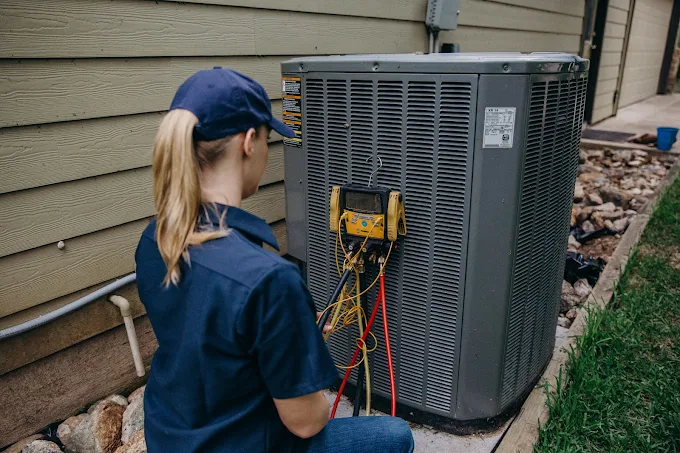
By the TemperaturePro team — serving Dallas, TX and Richardson, TX.
Last summer, a homeowner in Dallas, TX called after hearing repeated clunks from the outdoor unit and noticing a faint, musty smell when the AC ran. The air wasn’t just uncomfortable—it was inconsistent. Some rooms felt cool, others stayed warm, and the system seemed to “fight” itself on startup.
That combination—leaks, clunks, and odors—is something HVAC technicians investigate together, because the causes often overlap. This guide will help you understand what those symptoms usually point to, what you can check safely right away, and when you should call for AC repair or HVAC repair instead of guessing.
Quick Answer
If your AC (or heat pump) is producing clunks, odors, or you notice leaks, don’t rely on “it’ll probably go away.” Start with safe checks (thermostat settings, visible condensate/drip points, and when the smell appears). If the sounds repeat, the odor is persistent, or you see refrigerant-like residue, you’ll want a professional inspection to prevent further damage.
Best next step: Have TemperaturePro inspect the system so we can pinpoint whether the issue is related to airflow, drainage/condensate, electrical components, a refrigerant problem, or duct/indoor-air factors.
What to Check First
Before you call, you can gather useful clues—without taking anything apart.
- Confirm the symptom timing: Does the odor happen only on startup, only while cooling, or continuously?
- Check where the “leak” is: Is it water near the indoor air handler (often normal condensate), water near the outdoor unit (varies), or a spot that looks oily/dark?
- Listen for the clunk pattern: One-time “bang” on start, repeated clunks every cycle, or a rattling/grinding sound.
- Look at airflow behavior: Is air weak from vents, or does it cool inconsistently?
- Check the thermostat mode: Make sure it’s actually calling for cooling (or heating) and not switching modes unexpectedly.
Pro tip: Take a quick video of the outdoor unit start-up. The clunk timing (first 5 seconds vs. repeated throughout the run) helps technicians narrow down whether it’s a fan/compressor-related issue, a contactor/relay behavior, or something in the mounting/airflow path.
Main Things Customers Should Understand
Clunks, leaks, and odors can be separate issues—or they can be signs of one underlying problem. Here are the most common categories we see in Dallas-area systems.
1) Leaks: water vs. refrigerant vs. “mystery fluid”
Water dripping is often condensate from normal AC operation—especially if it’s clear and related to the indoor drain pan/line. But refrigerant leaks are different. Refrigerant-related signs can include oily residue around fittings or joints, performance drop, and frosting on parts of the system.
- Condensate/drain issues: Water may overflow a clogged drain line or drain pan.
- Refrigerant leak indicators: Cooling performance drops, coil frosting or ice, and unusual residue around connections.
- Other leaks: Sometimes a homeowner mistakes irrigation runoff, condensation from other sources, or water from ductwork for an HVAC leak.
2) Clunks: what that sound often points to
Clunks usually come from moving parts, electrical switching, or shifting components under load. A single “thunk” can happen during start-up, but repeated clunks during operation suggest something needs inspection.
- Outdoor fan contact/mounting noise: Loose hardware, fan blade imbalance, or mounting contact.
- Compressor/relay behavior: Electrical components switching under load can create a noticeable snap/clunk.
- Airflow restriction: If the system can’t move air efficiently, pressure changes can cause abnormal cycling behavior.
3) Odors: where the smell comes from matters
Odors tell a story. In my experience working on HVAC systems around the Dallas area, the “where” is as important as the “what.”
- Musty/earthy smell: Often tied to moisture buildup, dirty evaporator surfaces, or drainage/duct humidity.
- Burning or electrical smell: A warning sign—stop using the system and schedule service.
- Stale/chemical smell: Sometimes dust on a hot surface, new construction residue, or duct contaminants.
Key takeaway: When you have clunks plus an odor, you’re not just dealing with “comfort.” That pairing can indicate airflow problems, moisture/biological growth, or a component that’s operating under stress. A technician should verify safety and system operation before you keep running it.
Repair vs Replace (how to decide without guessing)
For many homeowners, AC repair is the right first move—especially if the issue is localized (like a drainage problem, a failing component, or a ductwork repair). But if the system is frequently cycling, suffering repeated refrigerant-related issues, or the cost to repair keeps climbing, replacement may be the smarter long-term decision.
| Situation you’re seeing | Most likely next step | Why it matters |
|---|---|---|
| Water overflow, clogged drain, musty smell linked to moisture | Inspection + drain/coil cleaning support | Fixing drainage can reduce odors and protect indoor air quality |
| Oily residue or repeated cooling drop with frosting | Leak investigation + refrigerant system diagnosis | Continuing to run can worsen performance and damage components |
| Repeated clunks tied to start-up cycle | Electrical/airflow component checks | Loose parts or switching issues can escalate quickly |
Need help diagnosing leaks, clunks, or odors?
TemperaturePro helps Dallas homeowners connect the dots between AC repair symptoms and the real cause—so you can avoid unnecessary parts swapping and protect your system.
Call (469) 275-1624Why This Matters in Dallas, TX
Dallas summers bring long run times and high indoor humidity. That combination can turn small moisture problems into noticeable symptoms fast.
- Humidity + condensate: If the indoor drain line is sluggish or the slope is off, moisture can linger and contribute to musty odors.
- Dust and airflow demand: In many homes across Dallas and Richardson, return-air pathways and filters accumulate dust during peak seasonal demand—impacting airflow and increasing the chance of abnormal cycling sounds.
- Frequent cycling: When refrigerant balance or airflow is off, systems may run longer and cycle differently, which homeowners often describe as “clunks” or “thumps” during start-up.
If your system is showing signs that affect cooling performance or indoor comfort, addressing it during the active season is usually the least frustrating route.
If you’re also planning for seasonal readiness, you may find these helpful:
- AC repair services when cooling performance is inconsistent.
- AC inspections to identify issues before they become bigger.
- AC maintenance support for steadier operation through the season.
Common Mistakes to Avoid
These are the mistakes I most often see when homeowners try to troubleshoot on their own.
- Ignoring odor safety signals: If the smell is burning/electrical, keep the system off and schedule service.
- Assuming all “water leaks” are normal: Clear condensate can be normal, but overflowing, repeated pooling, or oily residue points to a problem.
- Continuing to run a system that’s clunking repeatedly: Repeated start-up sounds can indicate components under stress. Running it longer can compound the damage.
- Skipping filter and airflow checks: A restricted return can mimic “refrigerant” symptoms by reducing airflow and changing system behavior.
Customer Checklist
Use this checklist to prepare for a faster, more accurate HVAC diagnosis call from TemperaturePro.
- When it started: Date/time and whether it began after a storm, filter change, or seasonal switch.
- Where you see the leak: Indoor unit drain pan/near the air handler, outdoor unit area, or supply/return ducts.
- What the leak looks like: Clear water, dark/oily residue, or “unknown” liquid.
- Sound description: One-time clunk vs. repeated clunks; fan-only noise vs. compressor start-up noise.
- Odor description: Musty, smoky/burning, chemical/stale—plus when it occurs.
- Performance changes: Is the system blowing warm air, running longer than usual, or struggling to reach set temperature?
Important: Don’t attempt to “fix” a refrigerant-related issue by topping off or bypassing components. That can create safety and performance problems. Let a professional confirm the cause first.
Frequently Asked Questions
What are the most common causes of an AC refrigerant leak smell?
Refrigerant itself typically isn’t described as “musty” like mold or “burning” like electrical. When people report strong odors alongside cooling problems, it’s often a mix of factors: moisture and drainage issues (musty smell), dirty evaporator surfaces, or dust on components (stale smell). If you’re also seeing performance drops or frost on coils, a technician should inspect for refrigerant leaks and check airflow. TemperaturePro can help determine whether the odor is coming from the system, the ductwork, or nearby sources.
Can I fix clunks and odors myself?
Some checks are safe: confirming thermostat settings, checking/confirming the air filter condition, observing whether water is draining normally, and noting when the odor appears. But clunks tied to outdoor unit start-up, recurring electrical sounds, or odors that feel “burning” should be handled by a professional. Opening access panels or trying to adjust components without diagnostic tools can create safety risks or worsen the issue. A proper inspection is the fastest way to avoid guessing.
Is water near the AC always a problem?
Not always. Many AC systems produce condensate during cooling, and water draining from the indoor unit is expected. The concern starts when you notice overflowing, pooling, water stains, or a musty smell linked to moisture. Also, if you see water where the system doesn’t normally drain—or you notice oily residue—schedule service. TemperaturePro can help separate normal condensate behavior from drainage or system issues.
How do I know if I need AC repair vs AC replacement?
Think in terms of patterns and root causes. AC repair is often appropriate when the issue is localized (like a drainage problem, a faulty component, or a performance issue linked to airflow). Replacement becomes more likely when you’re dealing with repeated major failures, persistent refrigerant-related problems, or the overall system is showing widespread wear. The right decision depends on what the inspection finds and how the system is performing.
What should I do right now if the AC is blowing warm air?
First, confirm the thermostat is in cooling mode and the set temperature is below the current indoor temperature. Check the air filter and ensure vents aren’t blocked. If warm air continues, the system is clunking repeatedly, or odors are present, stop running the unit and call for service. Continuing to run can strain components when the system can’t cool properly.
Ready to Get Help From TemperaturePro?
If your AC is leaking, clunking, or smelling off, you don’t have to guess. TemperaturePro will help you identify the cause—whether it’s drainage/indoor moisture, airflow-related issues, an electrical component behavior, or a refrigerant system problem—so you can get back to comfortable cooling in Dallas and Richardson.
Get a professional AC diagnosis
TemperaturePro services Dallas, TX and Richardson, TX with practical HVAC repair and inspection guidance. Call when symptoms start—so you can avoid small issues turning into bigger repairs.
Call (469) 275-1624About TemperaturePro
TemperaturePro helps homeowners and businesses in Dallas, TX and surrounding areas—including Richardson, TX—with HVAC repair, AC repair, and system maintenance designed around clear diagnosis and practical next steps. Our focus is on troubleshooting the real cause of issues like leaks, clunks, odors, and inconsistent comfort, so you can choose the right repair or service option with confidence.