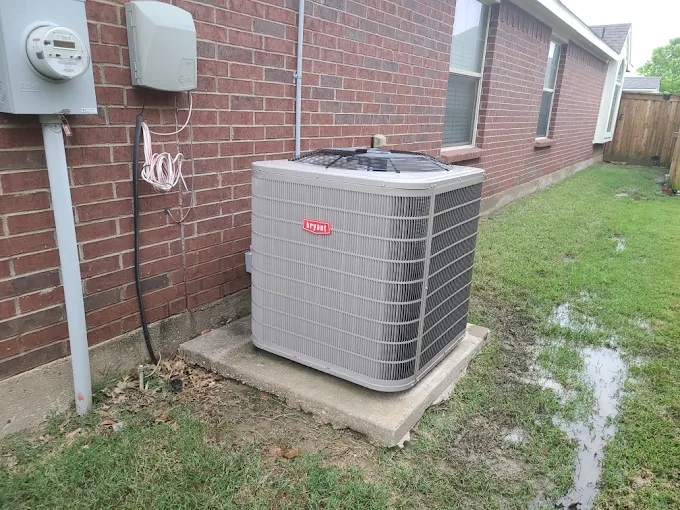
Affordable AC Repair Cost and Value Explained Clearly
If your AC is struggling in Dallas, TX, the price can feel confusing fast. This guide breaks down what typically drives AC repair cost, how to tell whether a repair is the “right” value, and what to check before you decide.
It usually starts the same way: the AC runs, but the house never really cools down. Then the system starts cycling more often, or you notice warm air at the vents and wonder if you should repair it or move straight to a replacement.
If you are staring at repair quotes, it can be hard to compare “cost” across different problems. One repair might fix a simple component, while another might uncover a deeper issue that affects comfort, airflow, or cooling performance.
Below, you will learn how AC repair pricing connects to the actual cause of the problem, what “value” really means, and how to avoid decisions that lead to repeat service calls.
- Quick answer
- What to check first
- Main things that affect AC repair cost
- Why this matters in Dallas, TX
- Common mistakes to avoid
- Customer checklist
- Frequently asked questions
Quick Answer
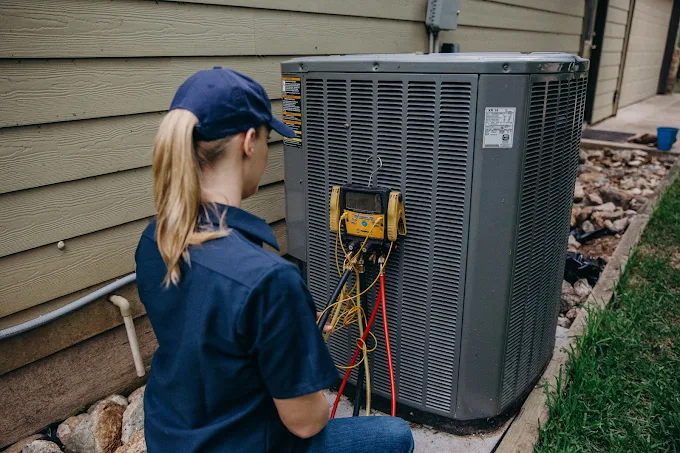
Most AC repair “cost” comes down to what is causing the system to stop cooling properly, how much time is needed to diagnose it, and whether the repair is addressing a single failed part or a chain of issues. For value, prioritize a proper AC inspection and system checkup before approving repairs. If the root cause is minor, repairs can restore comfort quickly. If the problem points to repeated failures, weak cooling performance, or worsening system conditions, it may be smarter to discuss AC replacement options alongside repair.
What to Check First
Before calling for HVAC repair in Dallas, TX, you can narrow down what you are seeing. Start with the thermostat settings, confirm the system is set to cool, and note whether the outdoor unit and indoor blower are running. Also check your air filter and vents: a clogged filter can reduce airflow, which can mimic more serious cooling problems.
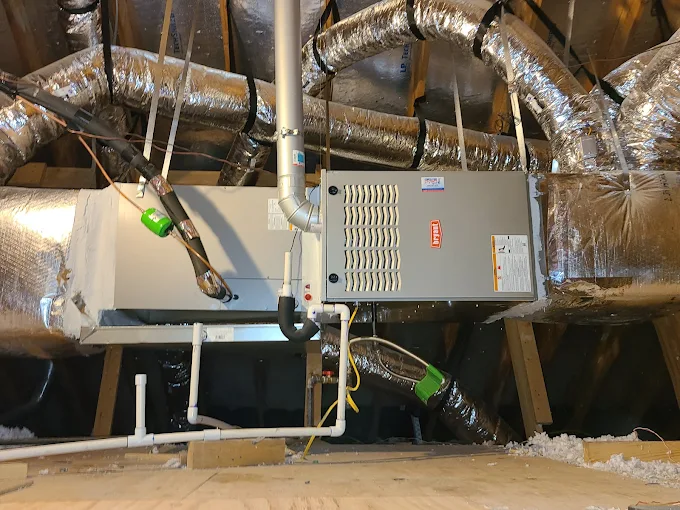
Professional observation: When an AC “runs” but does not cool, the usual suspects are airflow problems, refrigerant-related issues, electrical faults, or a failing component that is not moving heat the way it should. The quickest path to value is diagnosing the actual failure, not guessing.
AC Inspection
A focused AC inspection helps confirm airflow, temperature difference, and system operation.
AC Repair
When cooling performance is off, AC repair targets the failed part or condition.
AC Maintenance
Annual maintenance supports consistent cooling and can prevent minor issues from becoming bigger.
Main Things Customers Should Understand
Two quotes can look very different, even when the symptom is the same. Here are the typical drivers of AC repair cost and how they relate to value for homeowners in Dallas, TX.
| What is happening | Common value driver | How to judge the repair decision |
|---|---|---|
| AC not cooling (system runs but air feels warm) | Diagnosis time and system checkup to identify airflow, electrical, or refrigerant-related causes | Ask what the inspection found and what component or condition will be corrected. |
| AC blowing warm air after a period of normal operation | Whether the issue is a single failing part or a developing system problem | Confirm whether the fix addresses the root cause or just the symptom. |
| Short cycling (frequent on/off) | Electrical and control checks, plus verifying airflow and operating conditions | Request a clear explanation of why the system is cycling and how the repair changes that outcome. |
| Refrigerant leak repair concerns | Leak location and corrective work that restores safe, proper system operation | Make sure the plan includes locating the leak and steps that support proper system performance afterward. |
| Older system with repeated cooling issues | Whether repairs are likely to stay effective versus moving toward a full replacement plan | Compare repair value against the overall system condition and the likelihood of future failures. |
Why This Matters in Dallas, TX
Dallas summers put steady cooling demand on AC systems, so small issues can show up quickly as comfort problems. In the field, we also see how dusty environments, older ductwork in some homes, and seasonal temperature swings can make airflow and performance checks especially valuable. A repair that improves airflow or corrects a failing component can feel “worth it” because it restores day-to-day comfort fast.
One firsthand pattern we run into: homeowners often notice the issue during peak heat, but the system’s underlying problem started earlier. That is why an AC system checkup and clear diagnosis matter for value. It helps prevent multiple service calls that happen when the original cause was not fully addressed.
Value tip: If the plan only targets what you can feel at the vents, but the inspection shows airflow or system operating problems elsewhere, ask how the repair will address those underlying conditions.
Common Mistakes to Avoid
These are the decisions that commonly lead to wasted money or repeat visits, especially when people are trying to keep AC repair costs under control.
- Approving an AC repair without an inspection that explains the cause.
- Replacing parts based only on symptoms (for example, treating “warm air” without confirming airflow or system operation).
- Ignoring airflow issues like a dirty air filter or blocked vents, which can reduce cooling performance after a repair.
- Assuming one successful repair guarantees the system will keep working without follow-up maintenance.
- Skipping the conversation about AC replacement when the system condition suggests repeated failures.
Customer Checklist
Use this checklist when you are deciding whether a repair is the best value for your home in Dallas, TX. Bring it to the call so you get clarity on what is being fixed and why.
- Write down what you noticed: when it started, what changed, and whether the outdoor unit and indoor blower run.
- Confirm thermostat settings (cool mode, fan setting) and note any error codes.
- Check and replace the air filter if it is dirty, then note whether airflow improves.
- Ask for an AC inspection and request a straightforward explanation of the diagnosis.
- Clarify the repair scope: which part or condition is being corrected.
- Ask whether the repair addresses the root cause or only the symptom.
- Discuss next steps for maintenance to help prevent the same issue from returning.
Representative Scenario: When “Affordable” Makes Sense
A homeowner in Dallas, TX says the AC runs but the house feels only slightly cooler than normal. After a focused AC inspection, the technician finds an airflow restriction that is limiting cooling performance. The repair plan corrects the airflow issue, and the system is able to move heat the way it should. In this case, the repair feels like strong value because it restores comfort without triggering repeated failures from an unresolved underlying cause.
Get clarity on your AC repair value
TemperaturePro can help you understand what is driving the problem and which repair path makes the most sense for your system.
Request AC repair helpFrequently Asked Questions
Why does my AC repair quote vary so much from one company to another?
Pricing can differ because AC repair cost depends on what the diagnosis reveals, how much troubleshooting time is needed, and whether the repair addresses a single failed component or a related issue affecting performance. A quote that includes a thorough AC inspection and clear explanation of the cause usually gives more value than a guess based on symptoms alone.
What should I ask before approving AC repair?
Ask what the inspection found, what part or condition will be repaired, and how the fix will restore cooling performance. It also helps to ask whether the repair addresses the root cause or mainly improves what you can feel at the vents. If your system has been having repeated cooling issues, ask whether maintenance steps or an AC replacement discussion is more appropriate for long-term value.
Is AC maintenance really worth it if I already need a repair?
Maintenance is often what protects value after a repair. Once the system is operating properly again, annual AC maintenance can help reduce the chance of the same type of cooling problem returning due to wear, minor buildup, or performance drift. If you are already dealing with AC not cooling or AC blowing warm air, ask how maintenance fits into your next steps so you do not repeat the issue.
When should I consider AC replacement instead of more repairs?
If the inspection suggests repeated failures, worsening cooling performance, or multiple components showing signs of decline, AC replacement may become the better value. The goal is to avoid paying for repairs that do not fully restore stable operation. A clear discussion comparing repair options versus a system replacement plan helps you decide based on your system’s condition, not just the symptom.
Can dirty filters or duct issues affect AC repair outcomes?
Yes. A dirty air filter can reduce airflow, and airflow problems can make the system feel like it is not cooling even when the AC components are partially functioning. Ductwork issues can also limit how effectively cooled air reaches each room. That is why AC inspections and system checkups matter for value: they help confirm whether the repair plan addresses airflow and operation together.
Need a clear plan for your AC?
If your system is struggling to cool in Dallas, TX, TemperaturePro can help you move from uncertainty to a practical next step.
Call TemperaturePro
About TemperaturePro
TemperaturePro provides HVAC services for Dallas, TX homeowners and businesses, including AC inspections, AC repair, AC maintenance, and related comfort solutions. If you are deciding between AC tune-ups, repair, or AC replacement, we focus on helping you understand the cause of the problem so you can choose the most sensible value for your home.
For additional comfort support, you can also explore AC tune-ups or review AC replacement options.