How Often Should Commercial HVAC Maintenance Be Scheduled
If your Dallas building’s comfort swings from “fine” to “why is it blowing warm air?” you are not alone. This guide explains how often to schedule commercial HVAC maintenance, what technicians typically check, and how to build a practical plan that helps prevent breakdowns and keeps systems running efficiently through the year.
A property manager in Dallas told us their rooftop units “seemed okay” right up until the first stretch of hotter weather. Suddenly, certain zones were too warm, airflow felt weaker, and the thermostat schedules stopped matching what tenants were experiencing. The system was still running, but it was not performing the way it should.
That is the moment many teams realize maintenance is more than a calendar reminder. This guide helps you figure out a realistic maintenance schedule for commercial HVAC, understand what service visits are designed to catch early, and know what signs mean you should schedule sooner rather than later.
- Quick answer
- What to check first
- Main things customers should understand
- Why this matters in Dallas, TX
- Common mistakes to avoid
- Customer checklist
- Frequently asked questions
Quick Answer
Most commercial HVAC systems do best with maintenance scheduled at least twice per year: once before the cooling season and once before the heating season. In Dallas, where cooling demand can be intense and airflow problems can show up quickly, many buildings also benefit from seasonal system checks plus filter and cleanliness reviews as usage changes. A smarter schedule is based on equipment type, run hours, and how the building is used. If you notice comfort complaints, unusual noises, or poor temperature control, schedule service sooner than the next “planned” visit.
What to Check First
Before you lock in dates, start with the details you already have: what equipment you run (air handlers, rooftop units, heat pumps, or other configurations), how long it has been since the last inspection, and whether anyone has documented recurring comfort issues. Then review operational basics like filter condition, drain line cleanliness, and visible duct or grille obstructions. If the system is struggling, those early checks can help your team decide whether you need a tune-up style visit or a deeper inspection focused on performance and safety.
Main Things Customers Should Understand
Commercial HVAC maintenance frequency is not one-size-fits-all. The “right” schedule depends on how hard the equipment works and what typically goes wrong in your setup. Here are the factors we see most often when building teams ask about scheduling.
System type and configuration
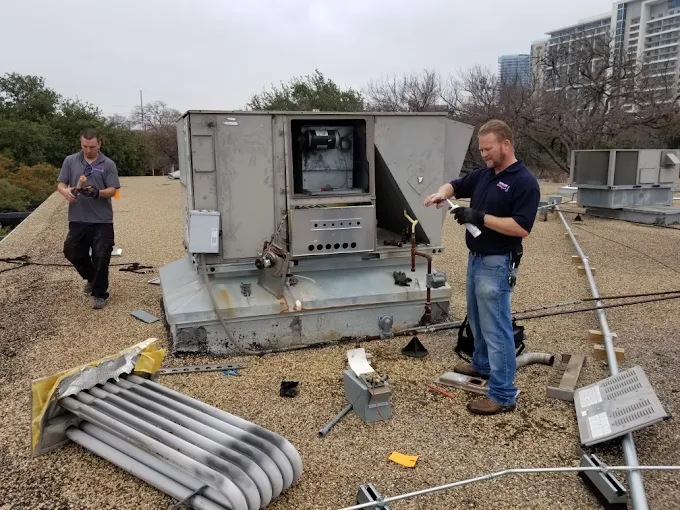
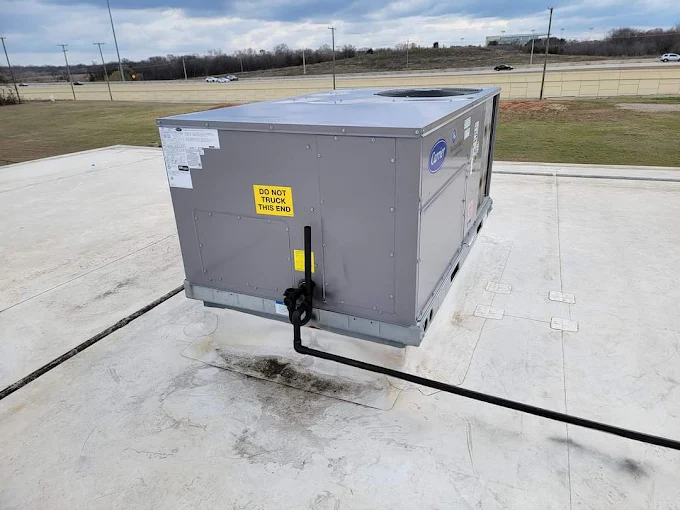
Rooftop units, indoor air handlers, and split systems can have different maintenance needs. If your building uses commercial HVAC, your plan should match how your units are installed and controlled, including how they stage and respond to zone calls.
Usage and run hours
Buildings with long operating hours, high occupancy, or frequent door openings generally require more frequent attention. More runtime means more dirt loading, more wear on moving parts, and faster degradation of filters and airflow paths.
Indoor air and cleanliness
Clogged components often look “fine” until airflow drops or comfort complaints start. Maintenance that includes duct cleaning considerations and airflow verification helps reduce the chance that problems are blamed on “thermostat settings” when the system is actually constrained.
Professional observation: In commercial buildings, the earliest maintenance wins usually come from improving airflow and confirming safety-relevant operating conditions. When airflow is restricted or controls are out of calibration, systems can run longer to meet demands, which increases the chance of breakdowns later.
Why This Matters in Dallas, TX
Dallas weather can push HVAC systems hard in both directions. During hotter stretches, cooling performance and airflow issues can become obvious quickly, especially in commercial spaces with multiple zones or rooftop units cycling frequently. In transitional periods, systems can be “almost right,” and that is often when you see complaints like uneven temperatures, slow recovery after setbacks, or units that seem to run longer than expected. Scheduling maintenance ahead of these seasonal pressure points helps your equipment start the season with clean components and verified operation.
| Building condition | Typical maintenance approach | Why it changes the schedule |
|---|---|---|
| Newer equipment with good filter practices | Two planned visits per year | Performance issues are less likely, but seasonal verification still matters. |
| Older units or a history of comfort complaints | Seasonal visits plus earlier inspection if symptoms show up | Small issues can become operational problems during peak demand. |
| Heavy usage, high occupancy, or long run hours | Seasonal visits with more frequent checks of airflow and cleanliness | More runtime accelerates dirt buildup and component wear. |
| Frequent zoning calls or unstable temperature readings | Prioritize inspection that verifies system performance and airflow | Control issues can be mistaken for “capacity” problems if airflow is not confirmed. |
Want help setting a realistic commercial HVAC maintenance plan?
TemperaturePro can review your equipment and operating patterns and help you choose a schedule that fits your Dallas building and comfort goals.
Contact TemperatureProCommon Mistakes to Avoid
Commercial teams often miss the maintenance signal because they focus on symptoms rather than system behavior. The result is a schedule that is either too late or not tailored to the equipment’s workload. Here are mistakes we see frequently.
1) Waiting for total failure. A system that “still turns on” can still be operating inefficiently with restricted airflow, dirty components, or performance drift. Those problems can shorten equipment life and lead to more disruptive repairs.
2) Treating all buildings the same. A small office with steady occupancy needs a different schedule than a high-traffic retail space or a facility with long daily run times.
3) Skipping inspections in favor of repairs only. Repairs fix what is broken today, but inspections find what is likely to fail later. A maintenance-focused approach helps reduce repeat issues.
Customer Checklist
Use this checklist to keep your maintenance planning organized and to make sure your team is asking for the right type of service visit.
- Confirm the last maintenance date for each major unit and document any comfort complaints by zone.
- Review filter condition and replacement history, including whether filters are sized and installed correctly.
- Check for airflow problems: weak supply air, blocked grilles, or recurring temperature stratification.
- Verify condensate and drainage behavior (for systems that produce condensation) to reduce operational interruptions.
- Look for visible signs of component buildup like dirt on coils and debris around equipment intakes.
- Plan seasonal service before peak demand and schedule earlier service if temperature control or airflow changes show up.
Representative Dallas Scenario
A retail property in Dallas had two rooftop units serving different areas. The tenants reported that one side felt cool while the other side ran warm, even when the thermostat settings matched. The maintenance team initially blamed the thermostat schedule, but the inspection showed airflow imbalance and dirty components that were limiting cooling performance. Instead of waiting for the next seasonal visit, they scheduled targeted service to restore airflow and verified operation so both zones could respond as intended. After the adjustments, temperature complaints decreased and the units cycled more normally through the hotter weeks.
Frequently Asked Questions
Should commercial HVAC maintenance be scheduled quarterly?
Quarterly maintenance can make sense for some high-usage facilities, but many commercial buildings do well with at least two planned visits per year plus targeted checks when symptoms appear. The best approach depends on equipment type, run hours, occupancy, and cleanliness factors. If your building has frequent comfort complaints, heavy seasonal load, or unusually high runtime, you may benefit from additional interim system checks to catch airflow and cleanliness issues early.
What signs mean we should schedule maintenance sooner than our next season?
Schedule sooner if you notice reduced airflow, uneven temperatures between zones, longer run times than usual, unusual odors, strange noises, or thermostats that do not match what occupants feel. Even if the system is still operating, those changes often point to performance drift, restricted airflow, or component buildup. Addressing the issue early can help prevent a small problem from turning into a larger HVAC repair need.
How does filter maintenance affect how often we need HVAC service?
Filters directly influence airflow and indoor air quality. When filters are overdue, improperly installed, or the wrong size, the HVAC system can work harder to move air, which increases wear and can reduce comfort performance. A disciplined filter replacement routine can reduce how frequently you need deeper corrective service. Still, seasonal inspections remain valuable because they verify overall operation beyond just filter condition.
Does commercial maintenance differ from residential furnace or AC service?
Yes. Commercial HVAC systems often include multiple zones, rooftop units, and different control strategies that require performance-based verification. While basic concepts like airflow and component cleanliness are still important, commercial schedules tend to be more structured around building usage and operational impact. If your property uses heating equipment and you also need help with furnace maintenance, it is useful to coordinate service so comfort and safety checks align across the building.
What should a maintenance inspection include?
A solid inspection focuses on system operation and performance. That typically includes checking airflow and equipment cleanliness, reviewing components that can affect cooling or heating output, and verifying safe, reliable operation. The exact scope depends on your equipment type and condition, but the goal is the same: catch early issues before they affect comfort or lead to emergency-style breakdowns.
Ready to schedule your next commercial HVAC maintenance visit?
If you are planning for the next season or trying to reduce comfort complaints in Dallas, TemperaturePro can help you choose a practical maintenance schedule.
Call (469) 275-1624
TemperaturePro: Local HVAC support for Dallas commercial buildings
TemperaturePro serves Dallas, TX and nearby areas like Richardson, TX with HVAC heating and cooling services built around real building needs. From commercial system checkups to maintenance-focused planning, our goal is to help your equipment run reliably through seasonal demand. If you are comparing options for maintenance, inspections, or performance issues, you can reach our team through our commercial HVAC page or call (469) 275-1624.