Is Your Furnace Failing? Replace Before Winter
If your furnace is struggling now, the coldest weeks in Dallas, TX can turn a minor problem into a whole-house comfort issue. This guide helps you recognize the difference between a repairable furnace and a replacement-worthy one, what to check before you call, and how to avoid the common decisions that lead to repeat breakdowns.
Last October, the thermostat called for heat and your furnace started up… but the room never warmed the way it used to. Maybe the blower ran, but the air felt lukewarm. Or it ran for a few minutes, then shut down as if it never received the “go” signal.
In Dallas, that kind of “almost working” furnace can be especially frustrating because temperatures swing. You might think you have time to wait, but small faults can worsen quickly, especially if the system is already short-cycling or struggling to ignite.
This guide will help you understand what “furnace not heating” really means, when furnace troubleshooting points to replacement, and what a proper furnace service should include before the season settles in.
- Quick answer
- What to check first
- Main things customers should understand
- Why this matters in Dallas, TX
- Common mistakes to avoid
- Customer checklist
- Frequently asked questions
Quick Answer
If your furnace is blowing cold air, repeatedly shutting down, or failing to ignite reliably, don’t wait for the first hard cold snap. Start with simple checks like thermostat settings and air filter condition, then schedule a furnace inspection or furnace service to diagnose the root cause. If the system has frequent breakdowns, unsafe combustion signs, or major component wear, replacement may be the safer and more dependable path before winter. For heating repair and furnace system replacement guidance in Dallas, TX, TemperaturePro can help you decide based on what’s actually happening with your unit.
What to Check First
Before you call for Residential Furnace Repair or Emergency Furnace Repair, you can gather a few useful details. These steps won’t replace professional furnace troubleshooting, but they can prevent a wasted service visit and help your technician understand the pattern of the problem faster.
- Confirm the thermostat is set to “Heat” and the temperature is above the current room temperature.
- Check the air filter. If it’s clogged or very dirty, replace it and note whether airflow improves.
- Listen for the ignition sequence. If you hear repeated attempts to start, then failure, make note of how often it happens.
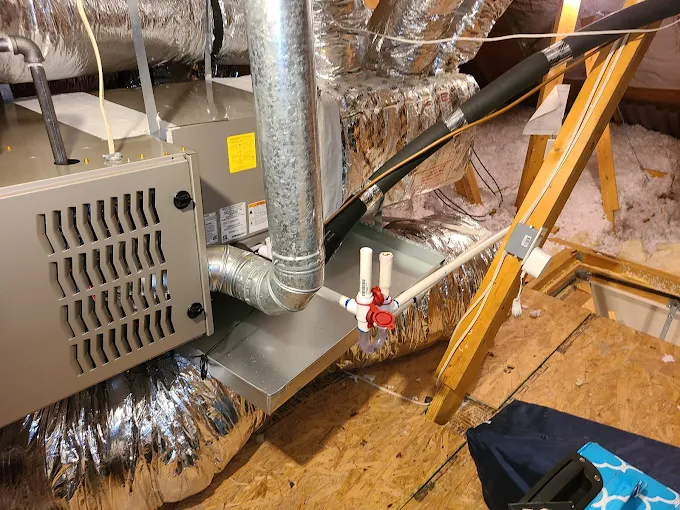
- Look for obvious signs of trouble around the furnace area, including soot, unusual odors, or blocked vents.
- Verify the furnace power switch is on and that there’s no tripped breaker or blown safety switch.
Professional observation: When a furnace starts but won’t heat consistently, the issue is often airflow, ignition, or a safety control. Those are very different from a “simple reset,” so a real diagnosis matters for both comfort and furnace safety.
Main Things Customers Should Understand
Not every furnace problem means replacement. Some faults are straightforward repairs, while others indicate the system is near the end of its useful life. The key is recognizing patterns that show the furnace is no longer reliable, not just “having a bad day.”
1) Furnace not heating vs. furnace heating poorly
“Furnace Not Heating” often points to ignition or a safety shutdown. Poor heating can involve restricted airflow, failing burners, or a system that cannot reach setpoint without excessive runtime.
2) Furnace blowing cold air
If the blower runs but air stays cold, the problem is frequently related to ignition, gas furnace operation, or heat exchanger performance. Electric furnace issues can present similarly, so diagnosis still matters.
3) Furnace short-cycling
Frequent start and stop can indicate airflow restrictions, overheating conditions, or control issues. Short-cycling is a common reason customers feel the furnace is “failing,” even when parts are still working.
Decision-focused tip: A furnace replacement is usually worth considering when repairs don’t restore stable operation or when the system’s underlying issues keep repeating. A furnace inspection and furnace service should help separate “repairable” from “replacement-driven.”
Why This Matters in Dallas, TX
In Dallas, TX, heating season can feel uneven. You might get a stretch of mild weather, then a sudden cold period that exposes weaknesses. If your furnace is already struggling to ignite, maintaining temperature, or running safely, that cold swing can push it into harder shutdown cycles.
Serving Richardson, TX and the surrounding Dallas area means we see the same pattern often: systems that were “fine enough” until the first true demand period. Whether you need Furnace Tune-Up, Furnace Maintenance Service, or furnace inspections, planning ahead reduces the risk of comfort problems when temperatures drop and the system is under the most load.
When repair is the right first step
Repair can make sense when the furnace is responding, heating intermittently, or failing due to a specific component that can be corrected. For example, issues found during furnace inspections or furnace maintenance may restore stable heating without replacing the entire system.
When replacement becomes the practical choice
Replacement often becomes the practical choice when the furnace’s condition leads to repeated breakdowns, persistent safety concerns, or major performance limits. If your unit can’t maintain heat reliably or keeps triggering shutdowns, replacement may reduce the disruption of repeated service calls and help bring steadier comfort through the season.
| Situation you notice | What it can indicate | Typical next step |
|---|---|---|
| Furnace not heating consistently | Ignition or safety control behavior, or reduced heat delivery | Furnace inspection and furnace troubleshooting |
| Furnace blowing cold air | Burner/ignition issues or reduced heat transfer | Heating repair diagnosis before deciding on replacement |
| Short-cycling or frequent shutdowns | Airflow restrictions, overheating behavior, or control problems | Furnace service focused on airflow and safety operation |
| Repeated breakdowns after repairs | Ongoing component wear or multiple failing systems | Discuss furnace replacement and furnace system replacement options |
Get clarity on your furnace’s next step
If your furnace is acting up in Dallas, TX, the fastest way to avoid guessing is a proper furnace inspection and diagnosis. TemperaturePro can help determine whether furnace repair or furnace replacement is the smarter move for your home.
Schedule furnace inspectionsCommon Mistakes to Avoid
When a furnace fails, it’s tempting to keep trying quick fixes. But some shortcuts can make the problem worse or create safety risks. Here are the most common mistakes we see homeowners make during furnace trouble.
Keeping the thermostat “on” without heat
If the system runs but doesn’t warm the home, leaving it in frequent call cycles can increase wear. Confirm settings and then move to diagnosis.
Ignoring a clogged air filter
A dirty filter restricts airflow and can contribute to overheating behavior. Replacing it is a good first step, but persistent issues still need professional inspection.
Assuming “it will start again later”
Intermittent ignition or safety shutdowns may not resolve on their own. Waiting can turn a manageable repair into a more disruptive heating failure.
Customer Checklist
Use this checklist to prepare for a furnace service call. It helps you communicate the symptoms clearly and helps the technician focus on the most likely causes first.
- Write down when the problem started and whether it happens every time or only sometimes.
- Note the exact symptom: furnace not heating, furnace blowing cold air, or repeated shutdowns.
- Record what you hear during start-up (for example, ignition attempts and pauses).
- Confirm the thermostat settings and whether the furnace responds correctly to temperature changes.
- Check and replace the air filter if it’s dirty, then note any improvement in airflow.
- Make a short list of any recent changes, such as new filter type, maintenance performed, or unusual odors.
Representative Scenario
A Dallas homeowner reports that the furnace starts, the blower runs, and then the system shuts down after a short time. They also notice the home takes much longer to reach the thermostat setpoint. After checking the thermostat and replacing a very dirty filter, they still get inconsistent heating. TemperaturePro reviews the furnace operation, focuses on the likely causes behind furnace safety shutdown behavior, and identifies whether the problem is repairable or whether the furnace is reaching the point where replacement offers a more dependable path through winter.
Frequently Asked Questions
Here are common questions homeowners ask when deciding between Furnace Repair and Furnace Replacement before winter.
How do I know if I need furnace replacement or just furnace repair?
Look for patterns. If the furnace repeatedly shuts down, blows cold air after start-up, or needs frequent repairs to restore stable operation, replacement may be the more dependable option. A furnace inspection and furnace service should identify the underlying cause and help you decide whether repair will likely hold or whether the system is near the end of its useful life.
What’s the first thing to check if my furnace is not heating?
Start with the thermostat settings (make sure it is calling for heat) and the air filter. A clogged filter can reduce airflow and contribute to poor heating performance. If the furnace still does not heat, pay attention to whether it ignites, how long it runs, and whether it shuts down repeatedly. Those details help a technician perform faster furnace troubleshooting.
Can I troubleshoot a gas furnace or electric furnace the same way?
You can do the basic checks that are shared by most systems, like thermostat settings and filter condition. But ignition and combustion-related checks differ. For example, gas furnace issues may involve ignition and safe operation, while electric furnace concerns can involve heating element or control behavior. Professional diagnosis is the safest way to confirm what’s actually happening.
Should I schedule a furnace tune-up even if it’s heating right now?
Yes, annual furnace maintenance can help catch problems before they become failures. A tune-up or furnace maintenance service typically focuses on safe operation and system performance, which is especially useful as Dallas weather shifts. If you’re already noticing symptoms like furnace not heating or furnace blowing cold air, prioritize inspection and repair first.
What’s the difference between furnace maintenance and furnace inspections?
Furnace inspections are typically more focused on assessing current condition and identifying causes of problems. Furnace maintenance service is often broader and may include performance checks and preventative care for safer operation. If your system is acting up, inspections and furnace troubleshooting are usually the first step before deciding on maintenance, repair, or replacement.
Ready to stop guessing about your furnace?
If your furnace is failing to heat reliably, TemperaturePro can help you get answers in Dallas, TX. We’ll guide you through furnace inspection and the next best step, whether that’s furnace repair, furnace maintenance, or furnace replacement.
Contact TemperaturePro for furnace repair
TemperaturePro: HVAC heating services for Dallas, TX
TemperaturePro provides HVAC heating services including furnace repair, furnace tune-up, furnace inspections, and furnace maintenance across Dallas, TX and nearby areas like Richardson, TX. If your furnace is blowing cold air, shutting down unexpectedly, or showing signs it may need furnace system replacement, our team can help you choose the right next step based on what the system is doing in your home.
Prefer to call? (469) 275-1624
You can also explore furnace maintenance or learn about furnace tune-ups.