When your furnace or heating system fails, it is easy to focus on getting warm again. But the safety issues that cause furnace not heating or furnace blowing cold air can also lead to expensive repairs if you keep trying the wrong fixes. This guide helps Dallas, TX homeowners spot red flags early and choose the right next step.
A few nights after the temperature drops, you press the thermostat and the furnace starts, then stops. Or it runs but the house never warms up. You might be tempted to keep cycling the system or troubleshoot at random, especially if you just want heat back in time.
The risk is that some furnace and heating problems can escalate quickly. A problem that starts as a furnace troubleshooting mystery can become a bigger safety concern, or it can damage components that are costly to replace. In this guide, you will learn what to check first, what not to do, and how to move from symptoms to a safer plan for furnace repair in Dallas.
- Quick answer
- What to check first
- Main things customers should understand
- Why this matters in Dallas, TX
- Common mistakes to avoid
- Customer checklist
- Frequently asked questions

Quick Answer
If your furnace is not heating or is blowing cold air, stop repeated attempts and check only the basics: thermostat mode, power switch, furnace reset status, and visible airflow obstructions around returns and vents. If you notice gas smell, soot, unusual burning odors, or repeated ignition failures, shut the system down and contact a qualified HVAC contractor. For most homeowners in Dallas, the safest next step is scheduling a furnace repair or inspection so the technician can identify the cause instead of replacing parts blindly.
What to Check First
Before you call for help, do a quick, careful scan that does not put you at risk. These checks focus on simple causes that can trigger heating repair needs without encouraging unsafe DIY work.
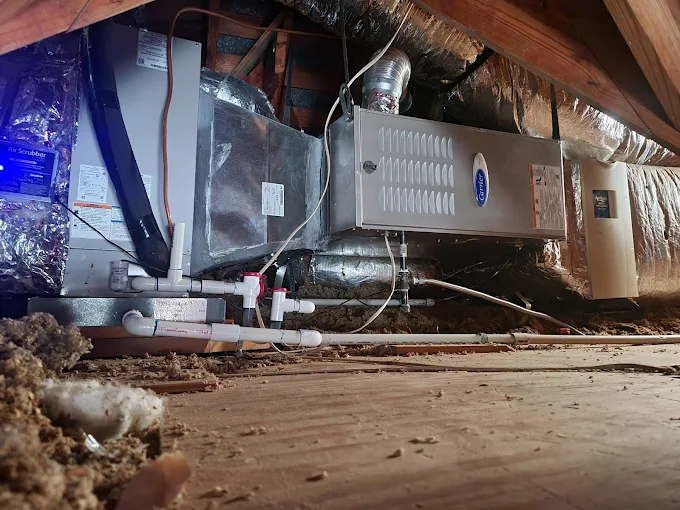
- Confirm thermostat settings: set to Heat, verify the temperature is above room temperature, and check the fan setting (auto is usually safest).
- Check the furnace power: look for the wall switch and the furnace service switch. If you recently flipped breakers, make sure the furnace switch is in the correct position.
- Look for a blocked return: furniture, rugs, or storage near return vents can reduce airflow and lead to limit trips.
- Check for obvious airflow issues: make sure supply registers are not fully closed in occupied rooms.
- Notice the “pattern”: does the furnace start then stop quickly, fail to ignite, or run but never warms the air? The pattern helps narrow the diagnosis.
Main Things Customers Should Understand
HVAC safety risks usually come from two directions: combustion-related problems (for gas furnaces) and control or airflow problems that overheat components. Even if the system “runs,” underlying issues can still create hazards and cause faster system wear.
Professional observation: When a furnace repeatedly cycles or “tries” to start, it is often reacting to a safety limit or failed ignition/combustion condition. Stopping the pattern early can prevent additional wear on parts that are expensive to replace.
| Symptom you notice | Why it can be a safety risk | Safer next step |
|---|---|---|
| Furnace not heating or no heat output | Could indicate failed ignition, a safety switch trip, or a control issue that prevents safe operation. | Schedule a furnace repair inspection and avoid repeated resets. |
| Furnace blowing cold air | May be caused by airflow problems, improper burner operation, or a safety shutdown before heat transfers. | Have the system checked for correct heating sequence and airflow performance. |
| Gas odor or strong burning smell | Gas and combustion concerns can be hazardous and should not be tested by trial-and-error. | Turn the system off and contact TemperaturePro for diagnosis. |
| Frequent cycling or short-run shutdowns | Often tied to limits, airflow restrictions, or sensor/control faults that can strain components. | Request furnace inspections to identify the trigger. |
Why This Matters in Dallas, TX
Dallas homes often mix older ductwork with newer equipment, and that combination can make heating problems show up in “odd” ways. When airflow is reduced by dusty returns, partially blocked vents, or duct restrictions, the furnace may trip safety limits and shut down before the home warms. In a warm-to-cool swing, that can feel like the system is “almost working,” which encourages repeated attempts.
From a practical standpoint, a safety-focused inspection in Dallas is about confirming the heating process is correct end-to-end: ignition and combustion conditions, control behavior, and consistent airflow. TemperaturePro can help you move from symptoms to a clear diagnosis, then decide whether you need furnace maintenance, furnace service, or more involved furnace system replacement planning.
Local tip: If you recently had the air ducts cleaned or changed filters, double-check you installed the correct filter size and airflow direction. A simple mismatch can contribute to blower and limit problems that look like ignition failures.
Common Mistakes to Avoid
Many costly HVAC problems start with well-meaning troubleshooting. Here are the most common mistakes that increase safety risk or lead to unnecessary parts replacement.
- Resetting the furnace repeatedly: If the system is tripping a safety control, repeated restarts can worsen component wear and make diagnosis harder.
- Ignoring airflow: A dirty filter, blocked return, or closed vents can cause overheating and limit shutdowns, even when the ignition seems to work.
- Using the wrong tools or “quick fixes”: Gas and combustion-related troubleshooting should not be improvised. DIY work can create unsafe conditions.
- Replacing parts without confirming the cause: When the root issue is a sensor, limit, or airflow restriction, swapping components can waste money and still leave the safety trigger unresolved.
- Waiting until the problem is severe: Delayed action often turns a repairable heating issue into a larger service call, especially when the system keeps cycling.
Get a safety-focused furnace inspection in Dallas
If your furnace is not heating, blowing cold air, or cycling unexpectedly, TemperaturePro can help you confirm the cause and take the right next step.
Schedule a furnace tune-upCustomer Checklist
Use this checklist before the technician arrives or before you decide on next steps. It helps you communicate clearly and reduces the back-and-forth that can delay safe resolution.
- Record the symptom pattern: Does it fail to ignite, run briefly, or run continuously with no heat?
- Note any odors or visible signs: gas smell, soot, unusual burning odors, or discoloration around the furnace.
- Confirm thermostat settings: mode (heat), fan setting, and whether the thermostat is calling for heat.
- Check airflow basics: return registers unobstructed, supply vents open, and the filter installed correctly.
- Look for error codes: write down any displayed codes or LED blink patterns.
- Keep the system off if unsafe: if you suspect a gas or combustion issue, do not keep cycling.
Representative scenario: cold air after ignition attempts
A homeowner in Richardson, TX reported that their gas furnace would click and try to start, then blow air that felt cool. The thermostat showed a heat call, but the house stayed cold. TemperaturePro reviewed the symptom pattern and checked for airflow restrictions and heating sequence issues, then recommended the appropriate furnace service based on what the system confirmed during inspection. The key takeaway: “it turns on” does not always mean it is operating safely or heating correctly.
Frequently Asked Questions
What should I do if my furnace is blowing cold air?
If your furnace blows cold air, stop repeated attempts to “reset and try again.” Start with safe checks like thermostat mode, the furnace power switch position, and whether return vents are blocked. Then pay attention to the pattern: does it ignite and shut off quickly, or does it run but never produce heat? Cooling or limit-related behavior can be caused by airflow restrictions, control issues, or heating sequence problems. The safest next step is a technician inspection so the system can be diagnosed correctly rather than guessing.
Is emergency furnace repair always required?
Emergency action depends on what you observe. If there is a gas smell, strong burning odor, or signs of unsafe combustion, shut the system down and contact an HVAC professional for diagnosis. If the furnace is simply not heating but shows no safety warning signs, you can usually focus on safe basic checks and schedule service. The goal is to avoid cycling the system when a safety control is likely involved. TemperaturePro can help you determine the safest path for your situation in Dallas.
Can a furnace tune-up prevent safety risks?
A furnace tune-up is designed to improve reliability and help catch issues early, especially when it includes proper inspection and adjustments. While no maintenance plan can eliminate all risk, preventative work can reduce the chance of ignition and operating problems that lead to unsafe shutdowns or repeated cycling. If you have noticed symptoms like furnace not heating or furnace blowing cold air, tune-up may not be enough by itself. In those cases, a repair or inspection comes first, then maintenance to help prevent future breakdowns.
How can I tell whether I need furnace repair or furnace replacement?
It usually depends on what the inspection finds. Repair is often the right choice when the issue is isolated, the system can safely operate, and the work needed is straightforward. Replacement becomes a consideration when multiple components are failing, safety issues keep repeating, or the furnace is no longer able to run efficiently. TemperaturePro can evaluate the condition of the system and explain what’s driving the problem, so you can make a practical decision for your Dallas home. If you are comparing options, you can also review furnace installation guidance.
What about gas vs. electric furnace safety?
Both gas and electric furnaces rely on safety controls, but the risks differ. Gas furnaces involve combustion and venting considerations, so gas odor or unusual combustion signs should be treated seriously. Electric furnaces still have limit controls and electrical safety concerns, and airflow problems can trigger shutdowns. Regardless of fuel type, the safest approach is the same: avoid repeated resets, check only basics you can do safely, and schedule a proper inspection when symptoms persist. TemperaturePro can help you understand what your system is signaling.
Need help with furnace safety or heating repair?
TemperaturePro serves Dallas, TX and Richardson, TX with heating service focused on getting your system operating safely and correctly. If you are dealing with furnace not heating, furnace blowing cold air, or repeated cycling, contact us and we will help you plan the next step.
Call TemperaturePro
TemperaturePro provides HVAC heating and cooling services for homeowners and businesses across Dallas, TX, including nearby Richardson, TX.
Whether you need furnace maintenance, furnace inspections, or assistance with heating repair, our goal is to help you identify what is happening and choose the safest, most practical path forward.
Explore more options like commercial HVAC service if your building needs heating support beyond a single home.