Furnace replacement safety tips to prevent carbon monoxide
If you are replacing a furnace in Dallas, TX, safety is the first priority. This guide explains what to verify during the replacement process so you reduce the risk of unsafe combustion and protect your household from carbon monoxide concerns.
Last winter, a homeowner in Dallas noticed the furnace “ran fine,” but the air felt off and the house smelled faintly when the heat kicked on. The next morning, they worried about carbon monoxide and wondered if the furnace replacement they planned was the right time to address safety.
This guide will help you understand what to check before and after a furnace replacement, which warning signs deserve immediate attention, and how to plan a safer furnace service in Dallas so you can feel more confident about indoor air quality.
- Quick answer
- What to check first
- Main things customers should understand
- Why this matters in Dallas, TX
- Common mistakes to avoid
- Customer checklist
- Frequently asked questions
Quick Answer
To help prevent carbon monoxide risks when replacing a furnace, focus on combustion safety and proper venting. During the replacement, make sure the installer verifies correct venting and draft, checks for leaks, and confirms the burner and airflow are adjusted for safe operation. After installation, request a furnace safety inspection and performance check so the system runs correctly. If you ever notice unusual odors, soot, or symptoms like headache or dizziness while the heat is running, stop using the furnace and contact a qualified HVAC heating professional right away.
What to Check First
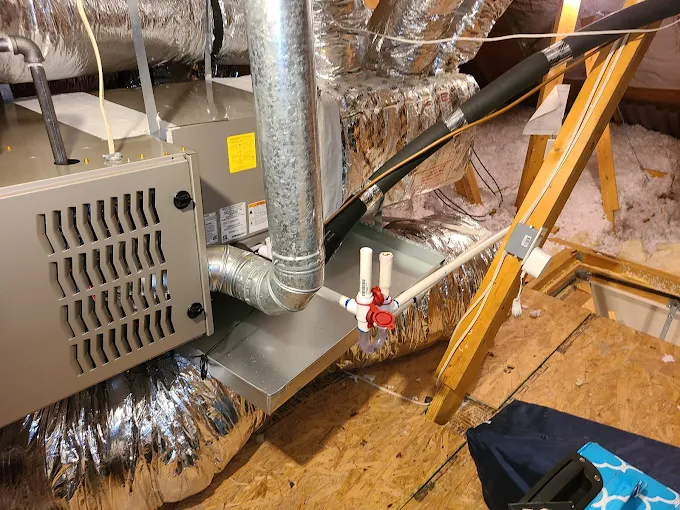
Start with the items that most directly affect safe exhaust and combustion. A furnace replacement should not be only “swap the unit.” It should include confirming that venting and connections are correct for the new system, that airflow is right, and that combustion is burning as intended. If anything in the vent path is damaged, disconnected, or poorly sealed, carbon monoxide risk increases because exhaust gases may not exit safely.
Vent and flue connections
Confirm the venting route is properly connected, secured, and not blocked. A new furnace can require matching the vent setup to the manufacturer’s requirements.
Combustion check
Ask for a verification that the burner is operating correctly and the system is adjusted for safe combustion.
Airflow and pressure
Correct airflow helps the furnace operate as designed. Poor airflow can cause unsafe byproducts to behave unpredictably.
Main Things Customers Should Understand
When you replace a furnace, the safety picture includes more than the new equipment. Many carbon monoxide concerns relate to how the furnace vents, how combustion is adjusted, and whether the installation details support safe exhaust removal. Even a “brand-new” furnace can be unsafe if venting, sealing, or airflow is wrong or if the wrong parts were used for the configuration.
Professional observation: With furnace replacements, the safest outcomes usually come from treating venting and combustion verification as part of the job, not an afterthought. If a system is noisy, short-cycles, or leaves residue, it is worth having it checked before you rely on it all season.
1) Venting setup must match the replacement
A furnace replacement is an opportunity to correct older venting issues. If the venting path is undersized, has improper fittings, or has signs of leaks, exhaust can be redirected where it should not be. Ask your HVAC contractor how they will verify the venting and connections before leaving the site.
2) Seal integrity matters
Even small leaks around joints can matter. During installation, the technician should ensure connections are tight and properly sealed where required, and that the system is assembled in a way that prevents exhaust gases from escaping into the home.
3) Adjustment and testing should happen after installation
Safe operation depends on correct settings. After the furnace is installed, the contractor should verify the system is operating correctly and that the heating cycle behaves as expected. If you notice uneven heat, unusual burning smells, or improper cycling, it is a signal to stop and have the furnace inspected.
4) Furnace safety inspection is not the same as “it turns on”
A furnace that starts and blows warm air can still have installation or combustion issues. A furnace safety inspection focuses on combustion and venting safety checks. If you are comparing service options, prioritize inspections that specifically address safe operation.
| During your furnace replacement, request… | Why it helps with safety | What you may notice if it is wrong |
|---|---|---|
| Furnace inspections and safety checks | Helps verify combustion and venting safety after changes to the system | Unusual odors, soot, or abnormal operation during heating cycles |
| Furnace maintenance service items like cleaning and inspection | Supports safe and efficient burner performance over time | Dust buildup, poor heating performance, or inconsistent temperatures |
| Furnace tune-up verification (as appropriate) | Confirms adjustments are correct after installation | Short-cycling, noisy ignition, or persistent performance concerns |
Why this matters in Dallas, TX
Dallas homes often shift between mild fall weather and colder heating days, and that means many furnaces run intermittently. When a system is used only part-time, venting and combustion problems can be easy to miss until you notice odors, inconsistent heat, or symptoms indoors. That is why a thorough inspection after furnace installation is especially valuable in Dallas, TX, where homeowners may not run the heat daily until the season changes.
Because you are replacing equipment in a real home environment, it is also smart to consider airflow and ductwork comfort. If your heating airflow is uneven, the furnace may not perform the way it should, which can complicate safe operation. If you are also thinking about air cleanliness, TemperaturePro can help you explore indoor air quality options alongside heating service.
Local comfort tip: If you have noticed more dust near vents or lingering cooking or musty odors when heat runs, have the heating system checked before making assumptions. Venting and airflow issues can affect how air moves through the home.
Common Mistakes to Avoid
Homeowners sometimes focus on the new furnace size or efficiency and overlook installation details that protect safety. Here are a few mistakes to avoid during a furnace replacement in Dallas, TX.
- Skipping a furnace safety inspection after installation. A quick start-up check is not the same as verifying safe combustion and venting.
- Assuming venting from the old system is automatically “good enough.” New equipment may require different setup or corrections.
- Ignoring unusual odors or soot. If you smell exhaust or see dark residue, stop using the furnace and get it inspected.
- Not addressing airflow problems. If rooms do not heat evenly, investigate airflow and system operation rather than only adjusting thermostats.
- Waiting too long to schedule maintenance. Annual service helps keep the system operating safely and reliably through the heating season.
Customer Checklist
Use this checklist to guide the conversation with your HVAC heating professional before and after a furnace replacement. Bring it with you, or save it on your phone so nothing gets missed.
Practical recommendation: After installation, ask for a furnace safety inspection and performance check before you fully rely on the system through the season.
- Confirm venting and flue connections are verified for the new furnace setup.
- Ask what combustion and safety checks are included after installation.
- Request a furnace inspection focused on safe operation, not just heating performance.
- Test heating operation across normal thermostat calls and observe for odors or unusual behavior.
- Plan furnace maintenance for safer operation through the season.
- Know what “not normal” looks like: soot, persistent exhaust smells, or symptoms indoors while heating runs.
Representative scenario (what “good” looks like)
A Richardson, TX homeowner scheduled a furnace replacement because the old unit struggled to keep up during cooler evenings. After the new furnace was installed, TemperaturePro completed a furnace safety inspection and verified combustion and venting safety checks before startup was considered complete. The homeowner was advised on what to watch for during the first heating cycles and was scheduled for ongoing furnace maintenance to support safe operation through the season.
Want a safer furnace replacement plan in Dallas?
TemperaturePro can help you review furnace replacement steps, safety inspection needs, and follow-up furnace service so your system is set up for safe operation.
Contact TemperatureProFrequently Asked Questions
How do I know if my furnace replacement was installed safely?
You should expect more than a “it turns on” check. A safe replacement typically includes verification of venting connections, combustion safety checks, and airflow performance after installation. If the system produces unusual odors, soot, or behaves abnormally while heating, that is a sign to stop relying on it and request a furnace safety inspection. In Dallas, TX, intermittent heating use can delay noticing problems, so it helps to have a professional confirm safe operation right after the replacement.
What warning signs suggest a carbon monoxide concern?
Unusual exhaust odors, soot around the furnace or vent areas, and symptoms such as headaches or dizziness while the heat is running are all warning signs to take seriously. If you suspect a carbon monoxide concern, stop using the furnace and contact a qualified HVAC professional for inspection. A proper furnace safety inspection focuses on combustion and venting safety so you can address the root cause rather than only symptoms.
Should I schedule a furnace inspection even if the new furnace heats normally?
Yes. Normal heating performance does not guarantee safe combustion or correct venting. A furnace can start and blow warm air while still having installation details that need verification. Request a furnace safety inspection after replacement and follow up with furnace maintenance through the season. If you are unsure which service fits your situation, TemperaturePro can guide you based on your installation and comfort observations.
Does furnace type (gas vs electric) change the safety checks?
Safety checks focus on how the heating system operates and, for gas furnaces, how combustion exhaust is vented. Furnace replacement projects should still include verification steps appropriate to the equipment and installation setup. If you are replacing a gas furnace, it is especially important to confirm venting integrity, connection safety, and correct combustion operation. TemperaturePro can help you plan the right furnace service steps for your specific system.
How often should I plan furnace maintenance in Dallas?
Many homeowners schedule annual furnace maintenance to support safe, efficient operation during the heating season. If your furnace runs intermittently or you notice performance changes, it may be worth inspecting sooner rather than waiting. Regular maintenance typically includes inspection and cleaning items that support reliable operation. For practical guidance on maintaining your heating system, you can review TemperaturePro’s furnace maintenance service options.
Ready for furnace safety-focused service?
If you are planning a furnace replacement in Dallas, TX, or you want to confirm safe operation after installation, TemperaturePro can help with furnace inspections and furnace maintenance service.
Schedule a Furnace InspectionTemperaturePro: HVAC heating service in Dallas, TX
TemperaturePro provides heating and HVAC service for Dallas, TX homeowners and property managers, including furnace repair, tune-ups, inspections, and replacement-related support. If you are concerned about furnace safety, venting, or safe operation after a replacement, TemperaturePro can help you plan the right furnace service steps for your home. You can explore related heating options like furnace repair or furnace maintenance to keep your heating system running safely through the season. For additional comfort and air quality considerations, you may also want to review duct cleaning.
TemperaturePro
Furnace safety starts with correct installation details and verified operation. If you are replacing a furnace in Dallas or Richardson, call (469) 275-1624 to discuss furnace inspections and heating service needs.
Website: https://temperatureprodallas.com/