If your air conditioner runs but your Dallas, TX home still feels warm, you do not have to guess. This guide walks you through quick checks, the most common causes of AC not cooling, and what to ask for when you need residential AC repair.
It is 90+ degrees in Dallas and you set the thermostat to cool, but the house does not get any better. Maybe the AC turns on and you hear airflow, yet the rooms stay warm. Or the system starts, then shuts down fast, leaving you with sweaty bedrooms and a thermostat that never seems to reach the temperature you set.
Before you wait on a service call, there are a few safe checks you can do that help separate simple issues from problems that require HVAC repair. This guide helps you understand what to check first, what the symptoms usually mean, and how to decide on the right next step for emergency AC repair when your home will not cool.
- Quick answer
- What to check first
- Main things customers should understand
- Why this matters in Dallas, TX
- Common mistakes to avoid
- Customer checklist
- Frequently asked questions
Quick Answer
If your AC is running but the home won’t cool, start with thermostat settings, a clean air filter, and whether the outdoor unit is actually operating. If the system blows warm air, cycles repeatedly, or you notice unusual noises or ice buildup, the safest move is to schedule HVAC repair. TemperaturePro can help diagnose AC service needs and get your cooling back to normal. In the meantime, keep the thermostat set consistently, close blinds during peak heat, and avoid repeatedly turning the system on and off.
What to Check First
Before you call for residential AC repair, confirm the basics. A surprising number of “AC not cooling” complaints are caused by thermostat settings, airflow restrictions, or a system that never truly starts the cooling cycle.

Professional observation: If your AC is blowing warm air, the system may be short-cycling, low on refrigerant, or not running the cooling cycle correctly. Quick checks can help, but they cannot replace pressure and temperature testing.
- Check thermostat mode and fan setting: Make sure you are on “Cool” (not “Heat” or “Auto”) and the fan is on “Auto” unless you intentionally need continuous airflow.
- Verify temperature change behavior: If the thermostat display changes but the air never gets colder over time, treat it as a cooling problem, not a thermostat “preference.”
- Inspect the air filter: A clogged filter restricts airflow, which can cause the indoor coil to freeze or the system to shut down. If it is visibly dirty, replace it and try again after a short wait.
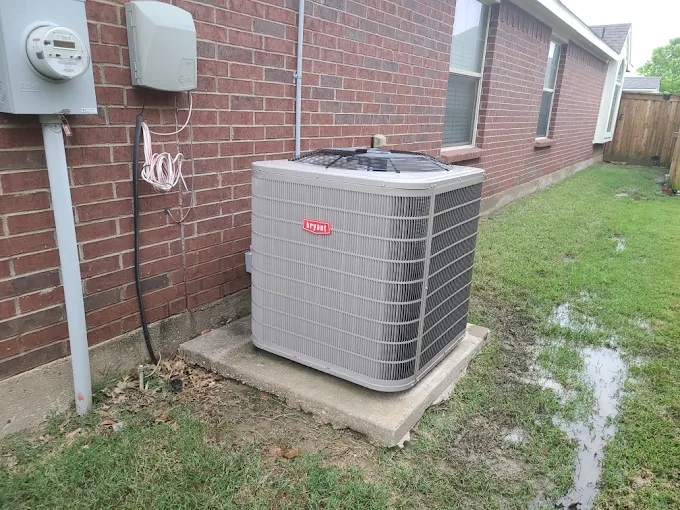
- Look for outdoor unit activity: In Dallas, TX heat, the outdoor unit should show signs of operation when cooling is called for. If it is silent or not running at all, the cause may be electrical, a control issue, or a safety switch condition.
- Check for visible ice or frost: Light frost can indicate airflow issues. Heavy ice or repeated freezing suggests the system needs troubleshooting before you continue running it.
If these checks do not restore cooling, the next step is diagnosing the AC system itself. A technician will typically verify airflow, electrical operation, and refrigerant performance to narrow down whether you need AC repair, AC inspections, or AC replacement planning.
Main Things Customers Should Understand
When a home will not cool, the underlying causes usually fall into a few categories. Understanding what each symptom commonly points to can help you communicate clearly and make better decisions during HVAC service.
1) Airflow problems can mimic refrigerant issues
Low airflow can cause evaporator coil freezing and warm supply air, even if the system is otherwise functioning. This can happen with dirty filters, blocked returns or supply registers, closed dampers, or blower problems.
2) Controls and safety switches can prevent cooling
Sometimes the system starts but stops quickly, or it never fully engages the cooling cycle. Thermostat wiring problems, condensate drainage concerns, or safety switch conditions can stop the unit from cooling until the fault is corrected.
3) Refrigerant problems often show up as “running but not cooling”
If your AC is operating but the air stays warm or only cools briefly, refrigerant performance may be off. A refrigerant leak is one possible cause, and it is not something you should guess at. Proper diagnosis matters because refrigerant work requires correct testing and repair.
4) Age and system efficiency can change the decision
Older systems can still be repaired, but ongoing failures may point toward a furnace and AC system upgrade path depending on the overall condition. If the system repeatedly needs attention, an air conditioning replacement evaluation may be the practical next step.
| What you notice | What it often indicates | What to do next |
|---|---|---|
| AC runs, but supply air is not cooling | Possible refrigerant performance issue or cooling cycle problem | Schedule AC repair with testing for safe, accurate diagnosis |
| System cycles on and off quickly | Safety switch, airflow restriction, or electrical/control issue | Have HVAC service check airflow, controls, and system operation |
| Frost or ice on the indoor coil | Restricted airflow or refrigerant/operating imbalance | Replace filter if dirty and request troubleshooting before continuing to run |
| Outdoor unit does not seem to start | Electrical or control interruption | Call for AC service to inspect electrical components and operation |
Why This Matters in Dallas, TX
In Dallas, TX, cooling failures feel bigger because humidity and heat build quickly, especially on afternoons when houses retain warmth. If you are in Richardson, TX nearby, the same pattern shows up. When the AC cannot remove heat and humidity as it should, indoor comfort drops fast, and the system can also be pushed harder than normal.
One firsthand-style observation from the field: when homes are hot and humid, customers sometimes keep resetting the thermostat. That can worsen short-cycling symptoms and delay accurate diagnosis. A consistent thermostat setting and a clear description of what you saw, such as whether the outdoor unit ran or whether you noticed frost, helps technicians narrow down the issue efficiently.
Common Mistakes to Avoid
During emergency AC repair, it is easy to do things that make the problem harder to diagnose. These common mistakes can also increase the chance of additional system strain.
- Repeatedly turning the system on and off: Short intervals can increase stress on components and cause the system to behave inconsistently.
- Ignoring airflow basics: A dirty filter or blocked return can lead to freezing and warm air. Simple checks help, but persistent symptoms still need troubleshooting.
- Assuming the thermostat is always the problem: Thermostats can be wrong, but cooling failures often involve AC repair needs within the indoor or outdoor unit.
- Running the system when you see heavy ice: Continuing to operate can worsen the condition. Stop and get it checked.
- Not using HVAC heating services or tune-ups as preventive care: Maintenance reduces the chance of breakdowns and supports safer system operation.
Customer Checklist
Use this checklist to document what is happening so you can get accurate help quickly. It also helps you avoid overlooking small issues like airflow restrictions.
- Thermostat is set to Cool and fan is set to Auto.
- Filter is checked and replaced if dirty or clogged.
- Outdoor unit shows signs of operation when cooling is called for.
- Supply air feels warm, lukewarm, or cool, and you noticed the change over time.
- You looked for frost or ice on the indoor coil and noted where you saw it.
- You listened for unusual sounds such as grinding, loud rattling, or rapid cycling.
- You recorded when the problem started (for example, after a power event or a hot afternoon).
Representative Scenario: What a Technician Finds
Imagine a homeowner in Dallas, TX who turns the thermostat to cool every evening. The AC blower runs, but the air coming out feels warm after 10 to 15 minutes. The homeowner replaced the filter and still sees the same result. When TemperaturePro arrives, the technician verifies airflow at the indoor unit, checks whether the outdoor unit is properly responding to cooling demand, and inspects the system’s cooling cycle performance. In cases like this, the fix is often a targeted AC repair rather than a thermostat replacement, because the cooling cycle is not delivering the temperature drop the home needs.
Need AC Repair in Dallas or Richardson?
If your home will not cool and you want a clear diagnosis, TemperaturePro can help with AC repair and AC system checkups.
Request AC RepairFrequently Asked Questions
These are the questions customers most often ask when their AC is running but not cooling.
Why does my AC run but blow warm air?
Warm airflow while the system seems to run usually points to an issue with cooling performance, airflow restrictions, or the cooling cycle not operating correctly. A dirty air filter, blocked returns, or a problem with how the system engages cooling can all lead to “AC not cooling.” If the air never gets noticeably colder over time, or if you see frost forming, it is a strong sign the unit needs professional HVAC repair and testing rather than more thermostat changes.
What should I check before calling for emergency AC repair?
Start with safe, quick checks: confirm the thermostat is in “Cool” mode and the fan setting is correct, inspect the air filter, and see whether the outdoor unit appears to run when cooling is called for. Also look for obvious frost or ice on indoor surfaces. If those basics do not restore cooling, the next step is a service call for AC service diagnostics. That is the fastest way to avoid repeated resets that can delay finding the root cause.
Could a refrigerant leak be causing my AC problem?
A refrigerant leak is one possible cause of poor cooling performance, especially when the system runs but your home stays warm or the cooling effect is short-lived. However, other issues like airflow problems or control/safety conditions can create similar symptoms. That is why technicians typically perform system checks to confirm what is actually happening before deciding on AC repair steps.
Should I repair or plan for AC replacement?
Repair and replacement decisions depend on what is wrong and how consistently the system fails. If the issue is isolated and the system otherwise operates normally, AC repair may be the practical solution. If the system has repeated problems or the cooling performance remains inadequate after troubleshooting, an evaluation for air conditioning replacement may be the better long-term approach. TemperaturePro can help you understand what is driving the symptoms and what the next step should be.
Do you offer AC inspections or maintenance after a repair?
Yes. After a cooling issue, many homeowners benefit from an AC inspection or maintenance plan to support dependable operation. Regular preventative HVAC maintenance helps catch small problems before they turn into sudden breakdowns. If you want to improve comfort and reduce repeat service calls, you can explore AC inspections, AC tune-ups, and AC maintenance options through TemperaturePro.
Contact TemperaturePro for Cooling Help
If your AC is blowing warm air, cycling oddly, or your home will not cool in Dallas, TX, TemperaturePro can diagnose the issue and recommend next steps for AC repair or system service.
Call (469) 275-1624More HVAC Services You May Need
If your cooling problem started around the same time as other comfort issues, these related services can help you restore steady performance throughout the home.
Air conditioning inspections
When you want a clear look at how your system is performing, an AC inspection can help identify what is affecting cooling comfort.
AC tune-ups
If the system runs but does not feel efficient, a professional AC tune-up supports smoother operation and better temperature control.
AC maintenance
For ongoing comfort, AC maintenance helps keep the system ready for Dallas heat.
TemperaturePro
TemperaturePro provides HVAC heating and cooling services for homeowners across Dallas, TX, including nearby Richardson, TX. From AC repair and AC replacement to inspections and maintenance, our goal is to help you get dependable comfort with practical, system-focused troubleshooting.
Serving Dallas, TX and surrounding areas, TemperaturePro helps address issues like AC not cooling, warm air supply, and other HVAC repair needs with clear next steps.