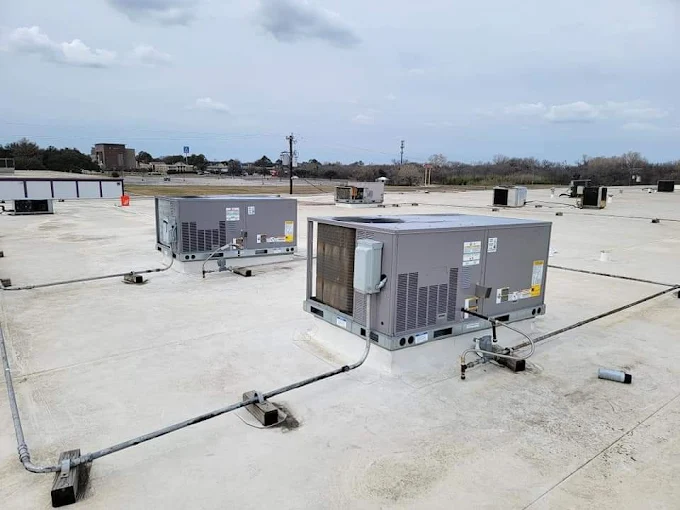
By the TemperaturePro team — serving Dallas, TX and nearby areas like Richardson, TX.
Last week, a homeowner in Dallas, TX called because their thermostat was set normally, but the house “felt damp.” They weren’t seeing obvious leaks—just a persistent musty smell in a hallway closet and condensation on a couple of windows after the AC ran. In Texas heat, that combination usually points to a humidity problem tied to airflow, cooling performance, and sometimes ductwork.
This guide explains how to prevent humidity problems indoors—and what to check when your system can’t remove moisture the way it should. It’s written for real homeowners and property managers who want a practical plan, not guesswork.
Quick Answer
Humidity issues usually happen when your HVAC system can’t cool/dehumidify effectively (or moisture is entering the home through ducts, crawlspaces, or poor airflow). The fastest path to relief is to verify airflow and system performance, then address the “moisture path” (often AC operation, duct leakage, or filtration/indoor air quality problems).
Key takeaway: If you can’t keep indoor humidity in a comfortable range, don’t just “run the fan.” Start by checking AC performance and airflow—then move to ducts and indoor air quality.
What to Check First
Before you schedule anything, do a quick, homeowner-friendly triage. This helps you describe the issue clearly and prevents unnecessary parts swapping.
- Notice when humidity shows up: After AC cycles on? After the system shuts off? During hot, humid evenings?
- Check for window condensation: Condensation often signals the air is staying too humid or that airflow/temperature across the coil isn’t right.
- Look at air delivery: Are some rooms much colder/humid while others feel stale?
- Confirm thermostat settings: Fan should typically run on “Auto,” not “On,” for most homes.
- Inspect basic airflow paths: Closed vents, blocked returns, or dirty filters can reduce moisture removal.
Pro tip: In humid Texas weather, a system that’s slightly underperforming can still “feel cold,” but not remove enough moisture. That’s why humidity comfort often improves first after a real AC inspection and airflow check.
Main Things Customers Should Understand
Preventing humidity problems indoors isn’t only about “more cooling.” It’s about how your system handles temperature and moisture together—especially the AC coil, airflow, and duct performance.
1) AC dehumidification depends on correct airflow and coil performance
Your air conditioner removes moisture when warm, humid air passes over the cooling coil. If airflow is restricted (dirty filter, blocked return, failing blower motor, or duct issues), the coil may not operate in the right range. The result: the house stays humid even though it’s not unbearably warm.
2) Duct leakage can move moisture—then you feel it “inside”
Even when the AC is doing its job, ducts that leak air can cause humidity problems. Supply leaks can push cooled air into wrong spaces, while return leaks can pull in unconditioned, more humid air. In attics and crawl areas, that moisture can quickly become noticeable.
If you’re dealing with persistent dampness or musty odors, it’s worth having your system checked for airflow balance and related ductwork concerns. For indoor air quality and duct-related issues, you can also explore duct cleaning when appropriate to the situation.
3) Filtration and indoor air quality affect how “comfortable” humidity feels
Humidity isn’t only a number on a gauge—it’s also how the home feels. Poor filtration can increase airborne particles and odors, which many homeowners interpret as “dampness,” even when the humidity is borderline. A proper AC inspection typically includes operational checks that connect to both comfort and indoor air quality.
4) Heating cycles matter too (yes, even in humid seasons)
Humidity can show up during heating seasons if there’s inadequate ventilation, humidification misapplied, or system issues that affect temperature stability. If you’re switching from AC to heat and noticing a “new” damp feeling, don’t assume it’s normal. A maintenance-focused approach can prevent seasonal swings.
Want to stop the damp feeling before it gets worse?
TemperaturePro helps Dallas homeowners and Richardson property owners pinpoint why humidity persists—so you get comfort without trial-and-error. If you’re seeing condensation, musty odors, or rooms that feel muggy, it’s time for a targeted system check.
Why This Matters in Dallas, TX
Dallas weather creates conditions where humidity problems can sneak up. Warm, humid outdoor air plus seasonal temperature swings means your AC has to dehumidify consistently to keep indoor comfort stable. In many older Dallas-area homes and some newer builds, we also see:
- Attic heat gain: Heat can work its way into ducts and surrounding spaces, making the system work harder to maintain comfort.
- Air leakage: Small leaks around returns, supply runs, or penetrations can pull in more humid air.
- Long cooling cycles: If your system is short-cycling or not reaching the right operating conditions, moisture removal suffers.
That’s why local comfort issues often require more than “turning the thermostat down.” A professional check looks at the full system: airflow, cooling performance, and how air is moving through your home.
| Humidity symptom | What it commonly points to | Best next step |
|---|---|---|
| Musty smell + damp spots near returns | Moisture path through air movement, duct leakage, or poor filtration | AC inspection and airflow verification; evaluate ducts and indoor air quality needs |
| Condensation on windows after AC runs | Insufficient dehumidification (airflow/coil performance) or uneven air distribution | Check AC operation and system service needs before adding “extra cooling” |
| Some rooms feel humid even when others feel fine | Airflow imbalance from registers/ductwork constraints | Air balancing and ductwork-focused troubleshooting as needed |
Common Mistakes to Avoid
Humidity problems can be frustrating partly because homeowners often respond in ways that don’t solve the root cause. Here are the most common missteps we see:
- Running the fan constantly (“Fan On”): It can move air around without removing enough moisture. For many systems, “Auto” helps the dehumidification cycle work correctly.
- Ignoring filter/airflow issues: A clogged filter or blocked return can reduce coil performance and lead to higher indoor humidity.
- Assuming humidity is “just the weather”: Outdoor humidity is real, but your HVAC should manage it. Persistent dampness usually means something isn’t operating as it should.
- Only addressing visible comfort, not system performance: If it’s “cold enough” but still humid, the AC may not be dehumidifying properly.
Customer Checklist
Use this as a practical pre-visit checklist. It helps you capture symptoms and gives your technician a clearer starting point.
Before you call TemperaturePro:
- Write down what you notice (musty smell, condensation, muggy rooms, timing patterns).
- Check and note your filter condition (and when you last replaced it).
- Confirm thermostat settings (fan on Auto; reasonable temperature setpoint).
- Look for blocked returns or vents (furniture, rugs, storage, or closed dampers).
- Take a quick note of where moisture shows up (windows, hallway closet, basement/crawl area access points).
If you also notice heating comfort problems alongside humidity concerns—such as rooms not warming evenly—plan for a broader HVAC tune-up approach. You can reference furnace tune-up as part of a seasonal maintenance strategy when heating performance is involved.
Frequently Asked Questions
How do I know if my humidity problem is an AC issue or something else?
Start with timing. If humidity feels worse right after the AC runs, or you see condensation on windows after cooling, the AC may not be dehumidifying effectively due to airflow restrictions, coil performance, or system operation. If dampness is tied to specific areas (like near returns or certain rooms), duct leakage or air distribution issues may be involved. A professional AC inspection can confirm the actual cause rather than guessing.
What happens if I ignore indoor humidity problems?
When humidity stays elevated, it can lead to comfort issues (sticky, muggy rooms) and contribute to odor problems. Over time, persistent moisture can create conditions that are harder to manage in a home—especially if moisture is introduced through ducts or other hidden pathways. Addressing the root cause helps protect comfort and reduces the chance of recurring symptoms each season.
Can I fix humidity by lowering the thermostat?
Lowering the thermostat may make the house feel colder, but it doesn’t always solve dehumidification. If airflow or coil performance is off, the system may run longer without removing enough moisture. The goal is balanced operation: proper cooling performance, correct airflow, and minimizing moisture infiltration. A targeted AC inspection is often the most efficient way to move from “temperature adjustment” to real humidity control.
Is humidity only a summer problem in Dallas?
No. Dallas-area homes can experience humidity swings in multiple seasons. During humid spring and summer, AC dehumidification is critical. In shoulder seasons, drafts and airflow changes can make indoor comfort feel damp even if the outdoor conditions shift. If you notice the issue changing when switching between cooling and heating, don’t assume it’s normal—have the system checked for performance and airflow consistency.
Should I repair or replace my furnace if humidity shows up during heating?
If humidity appears during heating seasons, the issue might be related to ventilation, airflow balance, or how the heating system cycles. Whether you repair or replace depends on the furnace’s condition and the actual comfort problem observed during service. For the best next step, get a professional evaluation and consider maintenance options first when equipment is still operating safely and efficiently.
Ready to Get Help From TemperaturePro?
If your home in Dallas or Richardson feels damp, smells musty, or shows condensation after the AC runs, you likely have a humidity-management problem—not a “normal weather” problem. TemperaturePro can help you identify what’s driving it and choose the right path: AC service, maintenance, or other HVAC-related fixes that restore comfort.
Schedule a comfort-focused HVAC inspection
TemperaturePro provides practical HVAC heating services and cooling support designed around real indoor comfort—helping you prevent humidity problems indoors with the right next step for your system.
Contact TemperatureProAbout TemperaturePro
TemperaturePro helps Dallas, TX and nearby areas like Richardson, TX with HVAC repair and maintenance focused on dependable indoor comfort. From AC maintenance to troubleshooting issues that affect humidity, airflow, and system performance, the goal is straightforward: help customers understand what’s happening, what to do next, and how to keep heating and cooling running efficiently.