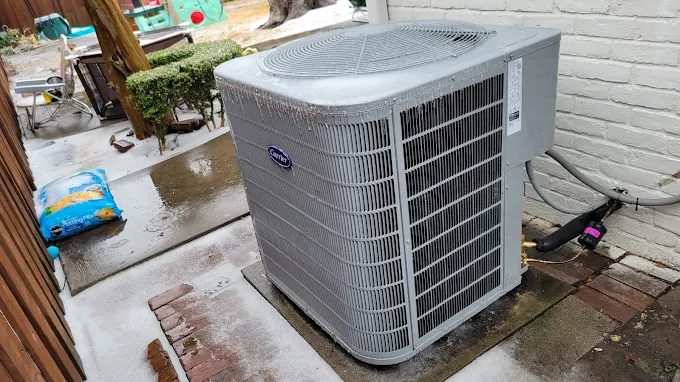
If your furnace is acting up in Dallas, TX, you are probably weighing repair vs. replacement while trying to avoid getting stuck with repeat failures. This guide helps you understand what drives furnace repair costs, how to judge real value, and what to ask during service so you can make a confident decision.
Last winter, you set the thermostat, heard the usual start-up, and then nothing. Or worse, the furnace runs but your rooms never warm up. In Dallas, TX, those stretches of cool weather can make a malfunction feel urgent, especially when you are trying to keep kids, pets, or older family comfortable.
When you start looking into furnace repair near me, the hardest part is usually not finding a price. It is figuring out what the cost is actually buying you: safety, reliable heat, and fewer repeat breakdowns. This guide explains the repair factors that most affect value, so you can compare options like a homeowner, not a guesser.
- Quick answer
- What to check first
- Main things customers should understand
- Why this matters in Dallas, TX
- Common mistakes to avoid
- Customer checklist
- Frequently asked questions
Quick Answer
If your furnace is not heating, the “right” cost depends on the cause, how many components are involved, and whether the system can be restored safely and reliably. Start with a diagnosis focused on ignition, airflow, and safety controls. If the repair targets a single failure and the rest of the furnace checks out, repair often delivers the best value. If there are repeated failures or major system wear, planning for residential furnace repair vs. furnace installation becomes a value decision, not just a price decision. Call a local HVAC company for a clear, itemized diagnosis.
What to Check First
Before you schedule service, do a quick homeowner check that helps the technician narrow the problem. Start with the thermostat settings and mode (heat on, correct setpoint). Next, confirm power is on to the furnace and that the furnace switch (if present) is in the “on” position. If you have a furnace not heating issue, also listen for ignition sounds or any fan activity. If the furnace is blowing cold air, that points to airflow or a control problem that can often be identified during the first inspection.
Symptoms guide the diagnosis
Intermittent starts, no ignition, or cold-air cycling usually indicate different root causes. The symptom helps prevent guesswork.
Safety controls matter
Modern furnaces rely on safety switches and sensors. When a system shuts down, value comes from correcting the cause, not resetting it repeatedly.
Airflow impacts comfort
Even if ignition works, clogged filters or failing components can still lead to uneven heating and higher energy use.
Main Things Customers Should Understand
When homeowners ask about furnace repair cost, the answer is not one number. It is a combination of what failed, how accessible the part is, and whether related components are also near the end of their service life. In practice, value is highest when the repair addresses the underlying cause and restores safe operation, not just the immediate symptom.
Professional observation: The fastest path to value is usually a structured diagnosis. If a technician confirms ignition, verifies airflow, and checks furnace safety controls in sequence, you avoid paying for repeated “test-and-reset” cycles.
| Decision point | What drives cost | What “value” looks like |
|---|---|---|
| Small repair (single component) | Parts plus labor to replace or calibrate the failed part | Heat returns normally and the system cycles as intended |
| Multiple related issues | Additional labor time and multiple parts (for example, ignition plus safety control) | One service visit restores full operation and reduces repeat calls |
| Furnace age and wear patterns | Higher chance of follow-up failures if wear is widespread | You choose the option that lowers long-term hassle and risk |
| Heating performance complaints | Potential diagnostic work for airflow, ductwork, or controls | Comfort improves across rooms, not just at one thermostat reading |
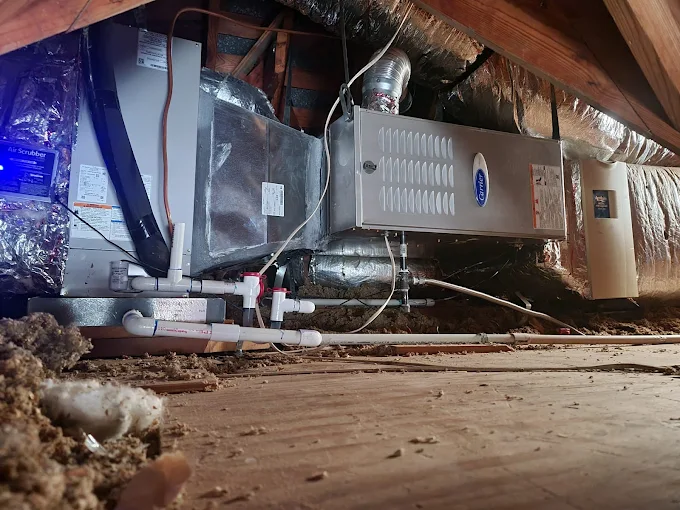
Here are the categories that most often affect whether a homeowner should budget for repair vs. consider furnace replacement near me style planning. If you are dealing with gas furnace repair, ignition and combustion-related components are common starting points. For electric furnace repair, heating elements and control circuits are typically the focus. Either way, technicians should confirm the system is operating safely and producing the heat you expect before you judge the “value” of the fix.
If your furnace is overdue for maintenance, you may also see comfort and safety issues that make repairs more frequent. For example, a furnace tune-up or maintenance visit can help catch early problems before they turn into a bigger service event. If you want to understand what a careful visit includes, review furnace maintenance and furnace inspections.
Why This Matters in Dallas, TX
Dallas, TX homeowners often feel heating problems in waves. Even when the overall season is mild, temperature swings can expose weak heating performance. In many homes, furnaces also share the same airflow paths with older ductwork, which can make furnace troubleshooting more complex when airflow is limited. If you have noticed frequent cycling, uneven warmth, or rooms that never reach temperature, the “repair cost” discussion should include whether the furnace is limited by airflow or duct restrictions, not just the burner or element.
One firsthand-style pattern we see during heating service calls is this: the furnace may respond during a test, then the system fails later when it heats up or when airflow changes. That is why a thorough inspection is often the difference between paying once and paying again. If your home is in Richardson, TX, the same diagnostic logic applies: identify the cause, confirm safe operation, then correct the parts that actually drive the failure.
Get a clear diagnosis before you decide
If your furnace is not heating, blowing cold air, or repeatedly trips controls, TemperaturePro can help you understand what is failing and what repair or next steps make the most sense for your home.
Contact TemperatureProCommon Mistakes to Avoid
Homeowners usually do not make “bad” decisions on purpose. They just lack the details that separate a good fix from a short-term patch. Here are common cost-value mistakes we see in heating service discussions.
- Resetting repeatedly without identifying why the furnace shut down.
- Choosing the cheapest fix without understanding whether the root cause was corrected.
- Ignoring airflow symptoms when the furnace runs but rooms stay cold.
- Skipping inspections after a repair, especially if the system has safety trips or inconsistent heating.
- Waiting too long when the furnace shows warning signs like unusual cycling or persistent cold-air output.
If you are comparing furnace repair and furnace replacement, it helps to ask whether the repair addresses a single failure or whether the system shows signs of broader wear. A thoughtful furnace system replacement conversation is not “giving up.” It is planning for reliability when repairs are likely to be frequent.
Customer Checklist
Use this checklist to prepare for your appointment and to evaluate the service recommendations you receive. It is designed to keep the conversation grounded in safety, diagnosis quality, and long-term comfort.
- Write down symptoms: when it happens, what you hear, and whether it starts then stops.
- Note thermostat settings and whether the issue occurs in every cycle or only sometimes.
- Check for obvious items like a clogged filter or blocked return vents (do not force anything).
- Ask what the technician found during diagnosis (ignition, airflow, and safety controls).
- Request a clear explanation of repair scope: which part(s) will be replaced or adjusted and why.
- Confirm the next-steps decision: repair now, plan maintenance, or discuss furnace replacement if multiple components are failing.
Practical recommendation: If your furnace has a history of repairs or safety trips, consider scheduling a focused furnace repair diagnosis first, then follow with a furnace tune-up plan to reduce the odds of repeat issues.
A representative homeowner scenario
In a Dallas, TX home, the furnace would start, blow for a short time, and then stop. The homeowner noticed it was often blowing cold air after the first attempt and that the thermostat would not bring the house to temperature. Instead of resetting and waiting, they scheduled service. The diagnosis focused on ignition behavior, airflow conditions, and the safety control sequence, then addressed the component that was preventing consistent safe heating. After the repair, the system cycled normally and delivered heat more steadily, which reduced the “start-stop” discomfort.
Frequently Asked Questions
How do I know if I need furnace repair or furnace replacement?
Look at the pattern and the scope. If the issue is a single failure and the furnace can operate safely with normal cycling after the repair, residential furnace repair is often the practical value choice. If there are repeated breakdowns, multiple components show wear, or the system cannot maintain reliable heating performance, the value conversation shifts toward planning for furnace replacement rather than paying for frequent repairs. A structured diagnosis helps you compare options based on causes, not guesswork.
What does “Emergency Furnace Repair” usually mean for homeowners?
Homeowners typically use “emergency” when the furnace stops working and heat becomes a daily comfort issue. In practice, the priority is safety and restoring operation. If the furnace is locked out due to safety controls, the technician should identify why it shut down before attempting any reset. The best value is usually earned by getting a correct cause identified quickly rather than repeatedly restarting a system that is signaling an underlying problem.
Why does my furnace run but blow cold air?
Cold-air symptoms can come from airflow problems, control sequence issues, or a failure preventing proper heating. Even when a furnace “turns on,” it may not produce heat if ignition is not stable or if safety controls interrupt operation. That is why troubleshooting should include checking how the system behaves during the cycle, not only whether it starts. If you are seeing this in Dallas, TX, scheduling a diagnosis can prevent repeated start-stop comfort issues.
Does furnace tune-up affect repair costs later?
Yes. A furnace tune-up and furnace maintenance service are value-focused because they help catch issues before they become breakdowns. Maintenance can also improve heating consistency by keeping the system operating correctly between service calls. If your furnace has had repairs before, a tune-up afterward can be part of a plan to reduce future failures. You can review furnace maintenance and discuss what schedule fits your system.
Can ductwork problems increase furnace repair or heating issues?
Ductwork can play a role in comfort and performance. If airflow is restricted or uneven, the furnace may run longer or cycle differently to meet the thermostat setting. That can make a furnace problem feel bigger than it is. If your diagnosis suggests airflow limits, it may be worth discussing related services such as duct cleaning. For example, you can explore duct cleaning to support healthier airflow conditions.
Ready to restore reliable heat?
If you want a repair plan you can trust, TemperaturePro will help you understand what is happening, what it means for comfort, and what decision makes the most sense for your home in Dallas, TX.
Call (469) 275-1624
TemperaturePro is your local HVAC heating services partner for homeowners in Dallas, TX and nearby Richardson, TX. Whether you are searching for furnace repair, planning furnace installation, or scheduling furnace inspections, our goal is the same: help you get safe, reliable heating with clear recommendations you can act on. Explore related options like furnace inspections and annual furnace maintenance to support long-term performance.