AC Repair Cost and Value: What You’ll Pay
If your AC is running but not cooling, or it’s cycling in a way that feels “off,” the real question is not just what repair costs. It’s whether the repair is the right move for your system and your Dallas, TX home.
You’re standing in the hallway on a warm day in Dallas, TX, and the thermostat says the house should be cooling down. Instead, the air feels lukewarm, the unit keeps starting and stopping, or the system runs longer than it used to.
At that point, most homeowners ask the same thing: “What will an AC repair cost, and will it actually fix the problem?” This guide helps you understand the main drivers behind AC repair costs, what information to ask for, and how to make a value-focused decision instead of just paying for the first fix.
- Quick answer
- What to check first
- Main things customers should understand
- Why this matters in Dallas, TX
- Common mistakes to avoid
- Customer checklist
- Frequently asked questions
Quick Answer
AC repair pricing is driven by what’s causing the problem, how much diagnosis is needed, and whether the repair addresses the root issue or only a symptom. Before you compare costs, confirm airflow, thermostat settings, and whether the system is cooling consistently. If the repair involves refrigerant issues or repeated breakdowns, ask how the technician will verify airflow and system performance after the work. For value, choose repairs that restore stable cooling and include a clear explanation of what will be checked next.
What to Check First
Before calling for AC repair, do a quick, safe check that can prevent wasted troubleshooting time. Start with the thermostat mode and temperature settings, then verify the indoor air filter is not clogged. If you have vents that feel blocked by furniture or return air grilles that are covered, correct that first. Next, listen: does the system run with normal airflow, or does it sound like it’s struggling or short-cycling?
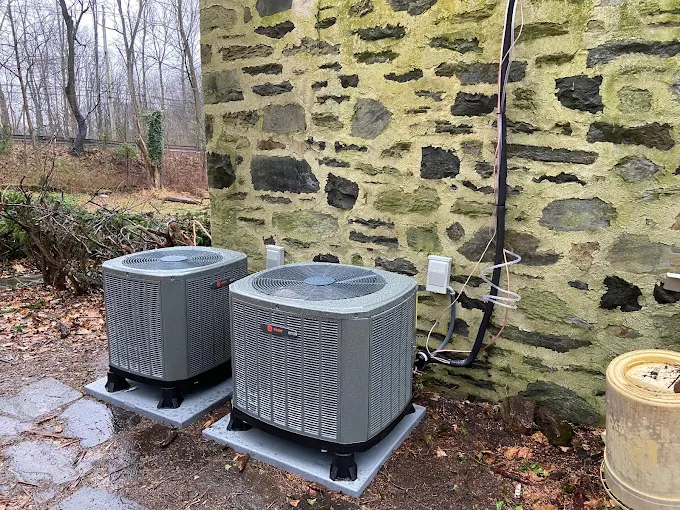
If the unit is blowing warm air, making unusual noises, or not responding like it used to, the next step is a proper AC diagnosis. That’s where TemperaturePro can help by examining components and system operation, then recommending the most practical path for restoring cooling.
Main Things Customers Should Understand
When people compare “AC repair cost,” they usually compare the wrong thing. The value comes from matching the repair to the failure mode and confirming the system is operating as designed, not just getting it running briefly.
Diagnosis depth
Some issues are straightforward, like a failing component. Others involve multiple contributing factors, such as airflow problems that make cooling performance drop even when parts are working.
Parts vs. root cause
A repair can be “correct” but still not valuable if the real cause is recurring, for example, a refrigerant-related issue paired with restricted airflow.
System verification
Value is highest when the technician checks system performance after the repair, so you know the AC is cooling consistently.
Professional observation: In Dallas-area homes, comfort complaints often trace back to airflow and system checkups as much as to the “big” component. If airflow is restricted, even a repaired part may not deliver the cooling you expect.
AC repair cost drivers (what usually changes the bill)
AC repair costs typically vary based on the cause and what’s required to fix it. Here are common categories of issues homeowners ask about, and why they can affect the total:
- AC refrigerant leak repair: Refrigerant-related problems can involve leak detection and corrective work, plus performance verification afterward.
- AC not cooling / AC blowing warm air: That symptom can come from multiple causes, including airflow restrictions or component failures that need targeted troubleshooting.
- Central AC repair vs. ductless mini split repair: The type of system impacts how components are accessed and what maintenance or repairs look like.
- AC electrical or sensor-related faults: When controls or safety switches are involved, diagnosis can take longer because the system behavior must be understood across cycles.
Repair vs. replacement: how to think about “value”
Sometimes repair is the best decision. Other times, the most cost-effective path is replacing the AC system because repeated breakdowns signal diminishing returns. A value-focused discussion should consider system age, frequency of issues, and whether the repair will address the underlying problem.
Practical recommendation: Ask your technician what they will verify after the repair. For example, you want confirmation that the system is cooling consistently and that airflow is correct for your home, not just that the unit starts.
| Situation you’re seeing | What it may mean for value | What to ask for |
|---|---|---|
| AC not cooling well, but it runs | Could be airflow restriction, component performance issues, or system balance problems that require more than a quick fix. | What checks will confirm airflow and cooling performance after the repair? |
| Repeated breakdowns after prior repairs | May indicate the original problem wasn’t the only driver, or the system is reaching the point where repairs won’t stay reliable. | Will the repair address the root cause and prevent recurrence? |
| AC refrigerant leak concerns | Often requires targeted leak detection and system verification, and it can change the scope of work. | How will you verify the system is cooling correctly after refrigerant-related work? |
| System shows signs of struggling to keep up | Could be age-related wear, reduced efficiency, or a mismatch between system capacity and the home’s needs. | Would a system checkup or AC replacement discussion be a better value? |
Why This Matters in Dallas, TX
In Dallas, TX, summers are hot enough that an AC problem can quickly become a daily comfort issue, not a “someday” project. That’s why the repair value question matters: you want the system to cool reliably, not just briefly. Many homes in the area rely on central air or ducted setups, where airflow restrictions can show up as uneven cooling or warm air complaints.
Local perspective: If your AC seems to struggle more during peak heat days, it’s often worth pairing AC repair with an AC system checkup approach so the technician can verify both performance and conditions that affect cooling output.
Where to go next (related services)
If your main concern is troubleshooting and cooling performance, you may also want to review how TemperaturePro handles AC repair. For prevention and early detection of issues, consider AC inspections before small problems turn into bigger repairs.
Common Mistakes to Avoid
Most homeowners don’t make mistakes because they’re careless. They make mistakes because AC problems can be confusing, and some choices are easy to make under stress. Avoid these common pitfalls so you get better value from your repair.
- Waiting too long to address “warm air” complaints: If the system is running but not cooling, the underlying cause can worsen.
- Replacing parts without confirming airflow and operation: A component swap may not solve the comfort issue if airflow is restricted.
- Focusing only on getting the unit to start: Starting is not the same as cooling consistently.
- Skipping verification after repair: You should expect checks that confirm the system is operating properly after the work is done.
Get a comfort-focused AC repair recommendation
Tell TemperaturePro what your AC is doing, and we’ll help you understand the likely cause and the most practical next step for your Dallas, TX home.
Call TemperaturePro at (469) 275-1624Customer Checklist
Use this checklist before and during your AC repair conversation. It helps you keep the decision grounded in what matters: cause, verification, and comfort.
- Confirm the thermostat settings and mode (cooling vs. heating) before troubleshooting.
- Check the indoor air filter and return vents for blockages or heavy dirt buildup.
- Note what the system does: AC runs but doesn’t cool, AC cycles often, or AC blowing warm air.
- Ask what the technician will check to confirm cooling performance after the repair.
- If refrigerant-related symptoms are present, ask about the plan for refrigerant leak repair and verification.
- Request a clear explanation of why the recommended repair addresses the root issue.
Representative Scenario: A Dallas Homeowner’s Decision
A homeowner in Dallas, TX notices their AC starts normally but doesn’t bring the house down to the set temperature. Over a few days, the system seems to run longer, and the air feels less cool than it used to. Instead of only focusing on “getting it fixed,” they ask the technician to verify airflow and system performance after the repair. That approach turns the decision from “what part failed” into “what will restore consistent cooling,” which is where value shows up.
If you’re also dealing with heating issues, TemperaturePro can help with furnace repair so your home’s comfort system stays balanced through changing seasons.
Frequently Asked Questions
What affects AC repair cost the most?
The biggest factors are the cause of the cooling problem and how much diagnosis is required to pinpoint it. If the issue involves airflow, refrigerant-related concerns, or electrical/safety behavior, the repair may require a more detailed check. Value improves when the technician explains what’s being repaired and then verifies that the system cools consistently after the work is complete.
How can I tell if my AC repair is the right value?
A good repair should do more than restart the unit. Ask what checks will be completed after the repair to confirm cooling performance and airflow. If the system was blowing warm air or not cooling well, you should expect confirmation that the root issue was addressed. If a repair is recommended alongside an AC inspection approach, that often helps prevent repeat problems.
Is AC refrigerant leak repair always necessary?
If refrigerant loss is suspected or the system symptoms point to a refrigerant-related problem, it should be properly diagnosed before deciding what to do. Refrigerant work is typically not a “guess” situation because leak detection and verification matter. When the refrigerant issue is handled correctly, the technician should also confirm that cooling performance is restored after the repair.
Should I do AC maintenance instead of repairs?
Maintenance helps prevent many problems, but it does not replace repairs when the system is already failing to cool. If your AC is not cooling, the priority is identifying and correcting the current issue. Once the repair is complete, an ongoing maintenance approach can reduce the chance of similar failures. For additional prevention steps, you can review AC maintenance.
When should I consider AC replacement instead of more repairs?
Consider a replacement conversation when repairs start to repeat, when the system is struggling to keep up with cooling demands, or when it’s clear that future fixes are unlikely to restore consistent comfort. A technician can help you evaluate whether the recommended repair addresses the root issue or whether a system-level solution makes more sense. In those cases, an AC replacement discussion can be the most value-focused option.
Ready for an AC system checkup?
If your AC is blowing warm air, not cooling reliably, or cycling in a way that feels unusual, TemperaturePro can help you sort out the cause and the most practical path forward.
Schedule AC repair with TemperaturePro
TemperaturePro
TemperaturePro provides HVAC services for homeowners and businesses across Dallas, TX, including Richardson, TX. From AC inspections and tune-ups to AC repair and replacement decisions, the goal is the same: help you restore comfort with recommendations grounded in how your system is actually operating.
Need help with both cooling and heating? TemperaturePro also supports related services like furnace tune-ups so your home’s comfort system runs as intended through seasonal changes.