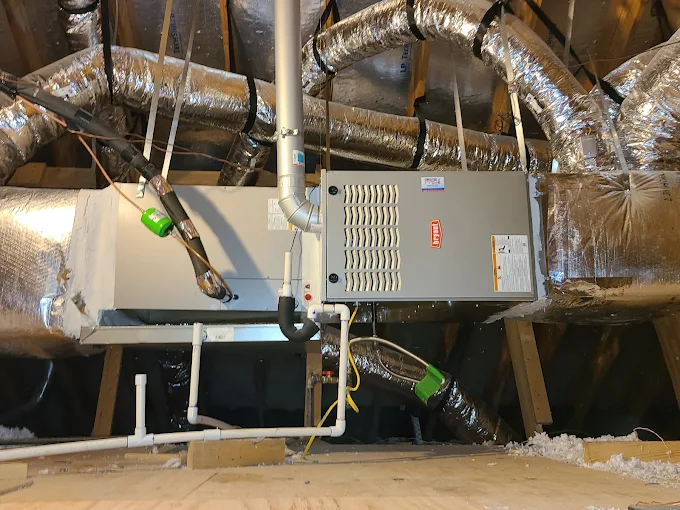
By the TemperaturePro team — serving Dallas, TX, and nearby areas like Richardson, TX.
Last October, a homeowner in north Dallas called because their furnace “worked fine yesterday,” then refused to start the moment the thermostat called for heat. The house wasn’t freezing yet, but the longer it sat idle, the more worried they got—especially with kids in the home and a schedule full of work the next morning.
That’s a very common situation around Dallas, TX: the furnace may run most of the year, but when the first real cold snap hits, weak parts and neglected maintenance finally show up. This guide helps you understand furnace replacement timing, what to check before the temperature drops, and how to decide between furnace repair, furnace service, and furnace replacement without guessing.
Quick Answer
If your furnace is frequently failing to start, producing inconsistent heat, or struggling with repeated repairs, the “right time” to replace is usually before the next cold snap. In practice, replacement timing often comes down to a combination of:
- Age of the system and how many components are showing wear
- Safety and combustion performance (especially unusual odors, soot, or error codes)
- Repair frequency (how often you’re calling for heating repair)
- Efficiency and comfort issues (blowing cold air, short cycling, uneven rooms)
Pro tip: If you’re waiting until the furnace is “completely dead,” you’re often already paying the cost in lost comfort and rushed decisions. A planned furnace inspection and maintenance appointment is the safer move.
What to Check First
Before you decide on furnace repair or furnace replacement, start with the basics you can observe safely—then let a technician confirm what’s happening inside the system.
1) What the furnace is doing during a call for heat
- Does it start normally? Or do you hear clicking, short cycling, or no ignition?
- Is it blowing warm air after ignition? If it’s blowing cold air, that can point to airflow, ignition, gas delivery, or control issues.
- Any unusual sounds? Rattling, roaring, or repeated cycling can signal failing components.
2) Error codes and thermostat behavior
If your thermostat shows a code or the system locks out, write it down. Also note whether the thermostat is calling for heat consistently or if the problem is intermittent.
3) Signs that safety checks matter
If you ever notice burning smells, strong odors, or soot around vents or near the furnace, pause DIY troubleshooting and prioritize a furnace safety inspection.
Main Things Customers Should Understand
When homeowners ask about furnace replacement timing, they’re usually trying to answer one question: “Is it smarter to keep repairing this furnace, or replace it before it leaves me in the cold?” Here’s how we break that decision down in a practical, service-professional way.
Repair vs Replace: what usually tips the scale
Every system is different, but replacement becomes more likely when multiple issues show up over time—or when troubleshooting reveals that the furnace is no longer dependable. Common “replacement-leaning” scenarios include:
- Repeated ignition or heating failures (frequent emergency furnace repair type calls)
- Persistent airflow problems (for example, furnace blowing cold air after startup)
- Controls and burners that keep failing after repairs
- Combustion or venting concerns that require ongoing attention
What a tune-up and inspection can (and can’t) tell you
A proper furnace tune-up and furnace inspection can reveal wear patterns and tune performance. However, if the inspection uncovers a system that can’t maintain safe, stable operation—or if multiple major components are near failure—then ongoing furnace service may not solve the root problem.
Real-world observation: In Dallas-area homes, we often see furnaces that “mostly work” until the first colder nights. Then the system can start struggling with ignition timing, airflow balance, or control sensitivity—issues that may not show up during mild weather.
Replacement options: gas vs electric, efficiency, and comfort
In the Dallas and Richardson area, many homes use gas furnaces, but some use electric systems depending on the home’s setup. The “best” replacement is usually the one that matches your fuel type, ductwork conditions, and comfort goals—while improving reliability.
| Decision factor | What it means for your furnace | Practical outcome |
|---|---|---|
| Repair frequency | How often you’re calling for heating repair or furnace service | More repairs over a short window often points to replacement planning |
| Heat consistency | Uneven rooms, short cycling, or furnace blowing cold air | May require fixes now, but repeated comfort failures can justify replacement |
| Safety inspection results | Combustion and venting performance checks | If safety performance can’t be stabilized, replacement is typically the safer direction |
| System age and component wear | How many parts are showing decline | Older systems with multiple failing components often cost more to keep running |
Want a clear recommendation before the next cold snap?
TemperaturePro helps Dallas, TX homeowners decide whether furnace replacement or furnace repair makes the most sense based on what we find during a thorough inspection and service.
Call (469) 275-1624Practical Recommendation
If you’re noticing early warning signs—like inconsistent heating, error codes, or repeated “fix it and it works for a few weeks”—don’t wait for the system to fail completely. Schedule a furnace inspection and review your options for furnace replacement, including a new furnace installation if replacement is the safer long-term route.
To explore the service path that fits your situation, you can also review these options from TemperaturePro:
- Furnace inspections for a clear, documented assessment
- Furnace repair when the problem is real but the system still has life left
- Furnace maintenance to prevent small issues from becoming cold-weather failures
- Furnace tune-up to improve performance before demand increases
Why This Matters in Dallas, TX
Dallas weather can swing quickly. A mild stretch can hide problems that only show up when demand rises—like delayed ignition, airflow restrictions, or control sensitivity. When the cold hits, homeowners typically try to “ride it out,” but that’s when systems lock out, struggle to maintain temperature, or start cycling inefficiently.
Another local factor is how many homes rely on ductwork that’s been through years of seasonal use. Even a furnace in good condition can underperform if airflow is restricted. That’s why we focus on dependable operation—so you’re not guessing when the forecast turns.
If you’re planning ahead, scheduling a furnace service window that isn’t tied to an emergency can help you avoid the rush and make your decisions with more time and options.
| Seasonal planning idea | Why it helps in Dallas winters | What to schedule |
|---|---|---|
| Before the first sustained cold | Lets you catch ignition, airflow, and safety issues while the system is still accessible and predictable | Furnace inspection + furnace maintenance |
| When you notice early symptoms | Prevents “repeat failures” from stacking repair costs | Furnace troubleshooting and repair assessment |
| When your furnace keeps locking out | Reduces the chance you’ll lose heat during the next cold night | Decision on furnace replacement vs repair |
Common Mistakes to Avoid
Most furnace replacement problems we see aren’t caused by the homeowner—they’re caused by common decision patterns that happen under stress.
- Waiting until the furnace is “dead”: At that point, you’re often stuck with limited time to compare options or evaluate the full system.
- Only fixing the symptom: If the furnace keeps short cycling or failing to heat consistently, repeated repairs may not address the underlying cause.
- Skipping safety and performance checks: A furnace can look “close enough” until combustion/venting or control issues are verified.
- Ignoring airflow warnings: If you feel weak heat or notice furnace blowing cold air, it’s worth checking airflow and system operation rather than assuming the thermostat is the only issue.
Customer Checklist
Use this checklist to organize what to watch for, what to document, and what to ask about when you call TemperaturePro.
Furnace replacement timing checklist (Dallas, TX homes)
- Record any error codes or thermostat messages (and when they occur)
- Note if the furnace starts normally or has delayed ignition / repeated clicking
- Check whether air coming from vents feels warm quickly or stays cool (furnace blowing cold air)
- Watch for short cycling (turning on/off too quickly) or uneven room temperatures
- List past heating repair or furnace service visits so the technician can spot patterns
Important reminder: If you smell unusual odors, see soot where it shouldn’t be, or the furnace repeatedly locks out, prioritize a professional furnace inspection and avoid extended DIY attempts.
Frequently Asked Questions
How do I know if I need furnace replacement or just furnace repair?
Typically, you’ll need a professional assessment when the furnace has frequent failures, inconsistent heat, or repeated lockouts. Furnace repair may be the right choice if the issue is isolated and the system can operate safely and reliably afterward. If multiple major components show wear—or if safety and combustion performance can’t be stabilized—replacement planning becomes the smarter long-term move.
Is emergency furnace repair ever necessary in Dallas?
Sometimes. If a furnace won’t start, locks out during a cold night, or fails to produce heat when temperatures drop, homeowners may need fast help to restore comfort. The best approach is to prevent that situation by scheduling furnace service and inspections during milder weather—so repairs or replacement decisions don’t have to happen under pressure.
What should I check first if my furnace isn’t heating?
Start with the thermostat call for heat and any visible error codes. Then listen for the furnace response—does it ignite and run, or does it cycle repeatedly? If the air feels weak or stays cool, that can point to airflow or ignition issues. Document what you observe, and schedule furnace troubleshooting so the technician can confirm the cause safely.
How long does a furnace inspection usually take?
Inspection timing varies based on symptoms and how the system behaves during the test. Generally, a technician will evaluate operation, check safety and performance factors, and review what’s needed next. If the system is actively failing to heat, the technician may spend additional time diagnosing the lockout or ignition problem.
Can I keep using my furnace while I decide?
If the furnace is operating normally and not creating safety concerns, you may be able to continue using it while you schedule an evaluation. However, if it’s repeatedly failing, locking out, producing unusual odors, or showing signs of unsafe operation, it’s better to pause use and get a furnace inspection first.
Ready to Get Help From TemperaturePro?
If you’re trying to time your next step—repair now, tune-up, or furnace replacement—TemperaturePro can help you make a decision based on what your system is actually doing, not guesswork. We serve Dallas, TX and nearby areas like Richardson, TX with practical heating service guidance.
Schedule your furnace inspection with TemperaturePro
Whether you’re dealing with furnace not heating problems, furnace blowing cold air, or planning ahead for furnace replacement timing, TemperaturePro helps you choose the right next step in Dallas, TX.
Contact TemperatureProAbout TemperaturePro
TemperaturePro helps Dallas, TX and nearby communities with HVAC heating services designed around practical guidance and dependable results. From furnace inspections and furnace maintenance to furnace repair and furnace installation, our focus is on helping homeowners understand their options, avoid unnecessary setbacks, and make confident decisions before the weather turns.