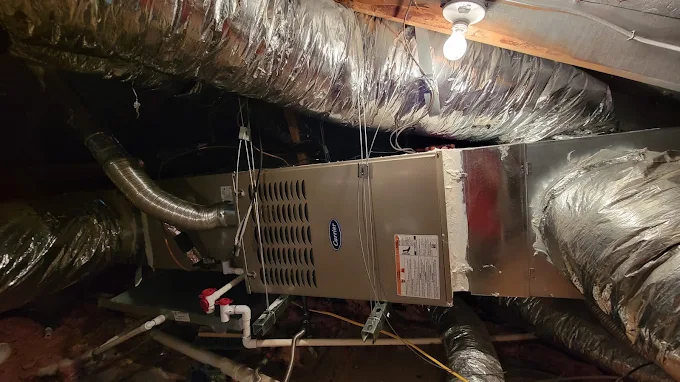
By the TemperaturePro team — serving Dallas, TX and nearby areas including Richardson, TX.
It’s 5:30 a.m. in Dallas and the thermostat is reading “heat on,” but your living room feels stubbornly cool. The furnace might be running, or it may be clicking and shutting off. Either way, you’re suddenly wondering if this is a minor fix—or if you’re looking at a full furnace replacement before winter really locks in.
This guide helps homeowners in Dallas, TX understand what to check, the most common causes of a furnace that won’t heat, and how to choose the right next step—whether you need Furnace Repair, Furnace Service, or a Furnace Replacement.
Quick Answer
If your furnace won’t heat, the fastest path is to confirm the system is calling for heat and then check the basics (thermostat setting, power, air filter, and airflow). If the furnace still won’t run properly—or runs and blows cold air—plan for professional troubleshooting.
Repair is often possible when the issue is isolated (like a faulty igniter, sensor, gas valve component, or restricted airflow). Replacement is usually the better long-term move when the system is aging and repeatedly fails safety checks, can’t maintain heat, or needs multiple major repairs.
What to Check First
Before you call for Emergency Furnace Repair, do a quick, safe check. These steps help you describe the problem clearly when TemperaturePro arrives:
- Confirm the thermostat setting: Set it to “Heat,” raise the temperature a few degrees, and verify it actually shows a call for heating.
- Look for power interruptions: Check the furnace switch near the unit (if present) and ensure the circuit breaker didn’t trip.
- Check the air filter: If it’s clogged, the furnace may overheat and shut down, or it may run but move insufficient warm air.
- Listen for the pattern: Is it silent, clicking, starting briefly, or running continuously? Short cycling and repeated shutoffs are important clues.
- Check for airflow issues: Make sure supply vents aren’t blocked by furniture or rugs. Also confirm return vents aren’t obstructed.
Pro tip: If you see the furnace trying to start and then shutting down quickly, don’t keep resetting the thermostat every few minutes. Repeated restarts can make the problem harder to diagnose and may trigger additional safety lockouts.
Main Things Customers Should Understand
When it’s time to consider Furnace Replacement, or you’re unsure whether you should repair or replace, the key is understanding what the system is actually doing. A furnace isn’t just a box that “turns on”—it’s a coordinated sequence of ignition, gas/electric control, combustion safety, airflow, and heat exchange.
1) Repair vs Replace: how to decide without guesswork
From what we see in homes across Dallas and Richardson, many “replacement” conversations start after repeated failures—often because the underlying issue affects multiple parts (airflow, ignition, or safety controls). A good technician will evaluate both performance and safety.
| Situation you’re in | What it often means | Typical next step |
|---|---|---|
| Furnace won’t start or won’t stay running | Common causes include ignition or safety control issues | Furnace troubleshooting and professional furnace repair services |
| Furnace runs but blows cold air | May be airflow restriction, sensor-related behavior, or combustion/heat transfer issues | Inspection first, then repair if components are fixable |
| Frequent breakdowns or repeated major parts | One fix may not solve the next failure; the system may be nearing end-of-life | Discuss furnace installation options and a system upgrade |
2) Gas vs electric furnace basics (and why it matters)
Whether you need Gas Furnace Repair or Electric Furnace Repair, the diagnostic path differs:
- Gas furnaces depend on ignition and safe combustion. Failures often relate to ignition components, gas control behavior, or safety sensors.
- Electric furnaces rely on heating elements and control circuits. Issues can include element failure, control board faults, or airflow/overheat protection triggers.
3) High-efficiency upgrades: what “better” usually means
When customers ask about High Efficiency Furnace Installation, the most helpful framing is performance and comfort—not just efficiency marketing. A proper upgrade considers:
- Right-sized equipment for the home’s heating load
- Airflow (to avoid “runs but won’t heat” problems)
- Ventilation and safety components that match the installation requirements
- System balance so warm air reaches the rooms that actually need it
Expert observation: In many Texas-area homes, the “furnace replacement” trigger isn’t one single failure—it’s the pattern: a system that starts, struggles to maintain temperature, and then repeatedly needs resets or multiple service visits. That’s often a sign the system can’t perform reliably anymore.
4) Furnace tune-up, maintenance, and inspections (when repair isn’t urgent)
If your furnace is currently heating but running less efficiently or you notice uneven temperatures, proactive service can prevent the mid-winter surprise. In our experience, routine work often catches early issues—like airflow restrictions, minor safety condition changes, or ignition performance drift—before they escalate.
- For periodic performance checks, consider furnace tune-up service.
- If you suspect safety or operation concerns, furnace inspections can help confirm what’s happening and what should be addressed first.
- For long-term reliability, furnace maintenance service helps keep the system ready for seasonal swings.
Not sure if you need repair or furnace replacement?
TemperaturePro helps Dallas and Richardson homeowners compare options based on what the furnace is doing right now—so you can choose a practical next step for warmth that lasts through winter.
Call (469) 275-1624Why This Matters in Dallas, TX
Dallas weather can swing quickly—mornings can feel cold even when afternoons warm up. That cycle stresses heating systems differently than a steady winter. In many homes around Dallas and Richardson, we also see:
- Comfort complaints tied to airflow: vents can get partially blocked, ducts may have leaks, or filters are overlooked until performance drops.
- Short heating cycles: the furnace runs more often to “catch up” when outdoor temperatures change fast, which makes maintenance and correct airflow more important.
- Indoor air quality concerns: if the furnace is working harder, dust and debris can build up faster, and homeowners may notice more dryness or odors.
If you’re noticing more dust or “stale air” symptoms along with heating issues, it can be worth pairing furnace service with broader indoor air support. TemperaturePro also provides duct cleaning to help address airflow-related comfort complaints.
Common Mistakes to Avoid
These are some of the most common missteps we see when homeowners try to handle furnace problems on their own or delay service:
- Resetting repeatedly instead of diagnosing: If the furnace is locking out, frequent resets can hide the real cause and lead to more lockouts.
- Ignoring airflow problems: A clogged filter or obstructed return can cause the furnace to run but not deliver heat effectively (or to shut down for safety).
- Choosing replacement based only on price: The “best” furnace is the one that fits your home’s heating needs and is installed correctly—especially in climates with fast temperature swings.
- Overlooking the difference between gas and electric issues: Repairs and troubleshooting paths differ, so misdiagnosis can cost time and service calls.
Customer Checklist
Use this checklist to prepare for a service call or to guide what you should verify during troubleshooting.
- Thermostat: Is it set to “Heat,” and does the display indicate a call for heating?
- System startup: Does the furnace start, click, or stay silent? How long does it run before stopping?
- Airflow: Are vents and returns unobstructed? Is the filter clean enough to support proper airflow?
- Recent changes: Any new filters, thermostat changes, power flickers, or maintenance performed recently?
- Comfort symptoms: Is the issue “no heat,” “blows cold air,” uneven warmth, unusual smells, or frequent cycling?
Important: If you smell gas, experience strong burning odors, or the furnace repeatedly shuts down, stop attempting resets and contact TemperaturePro for safe troubleshooting.
Frequently Asked Questions
How do I know if I need Furnace Repair or Furnace Replacement?
Most homeowners can’t tell from appearance alone, but a pattern helps. If the furnace won’t heat, blows cold air, or keeps short-cycling, it needs troubleshooting. Repair is often the right move when the issue is isolated and the system can return to stable operation. Replacement becomes more likely when the furnace is older and requires multiple major fixes, can’t maintain temperature, or repeatedly triggers safety-related shutoffs.
What should I do about Emergency Furnace Repair in the winter?
Start with safe checks: thermostat setting (“Heat”), circuit breaker status, and the air filter. If the furnace still won’t operate normally—or if it locks out repeatedly—call a professional. For Dallas-area winters, quick diagnosis matters because an unresolved heating failure can affect indoor comfort and humidity control fast. TemperaturePro can help determine the cause and whether repair or a system upgrade is the best next step.
Can I fix a furnace that’s blowing cold air myself?
You can check for a clogged filter, blocked vents/returns, and confirm the thermostat is calling for heat. Beyond that, “blowing cold air” often involves components that require inspection—like airflow control, sensors, or combustion-related behavior (for gas furnaces). If the furnace runs but doesn’t deliver warm air, it’s usually better to book professional service to avoid repeated lockouts and unnecessary part replacements.
What are the most common causes of a furnace that won’t heat?
Common causes include thermostat issues, power interruptions, restricted airflow, ignition problems, faulty sensors, or safety controls that prevent unsafe operation. In some cases, duct leakage or airflow imbalance causes the furnace to work but not effectively heat the home. TemperaturePro can troubleshoot the system sequence to pinpoint what’s failing first.
How does maintenance help prevent winter furnace problems?
Annual Furnace Service and Furnace Maintenance help ensure ignition and safety components operate correctly, airflow is adequate, and minor issues are addressed before they turn into failures. Even if your furnace is working, maintenance can improve reliability through Dallas temperature swings and reduce the likelihood of emergency calls when you need heat most.
Ready to Get Help From TemperaturePro?
If you’re dealing with a furnace that won’t heat, blows cold air, or seems to be failing more often, TemperaturePro can help you sort out repair vs replacement based on what we find during inspection and troubleshooting. That’s the quickest way to get back to steady warmth—without guessing.
Schedule furnace help in Dallas or Richardson
TemperaturePro provides practical HVAC heating services, including repair, inspections, tune-ups, and furnace installation options for Dallas, TX and nearby areas like Richardson, TX.
Contact TemperatureProAbout TemperaturePro
TemperaturePro helps Dallas, TX homeowners and customers in nearby areas like Richardson, TX with reliable HVAC heating services designed around practical guidance and clear next steps. From furnace inspections and furnace tune-ups to furnace repair and furnace installation support, our goal is to help you understand what your system needs now—and what will keep your home comfortable through the winter season.