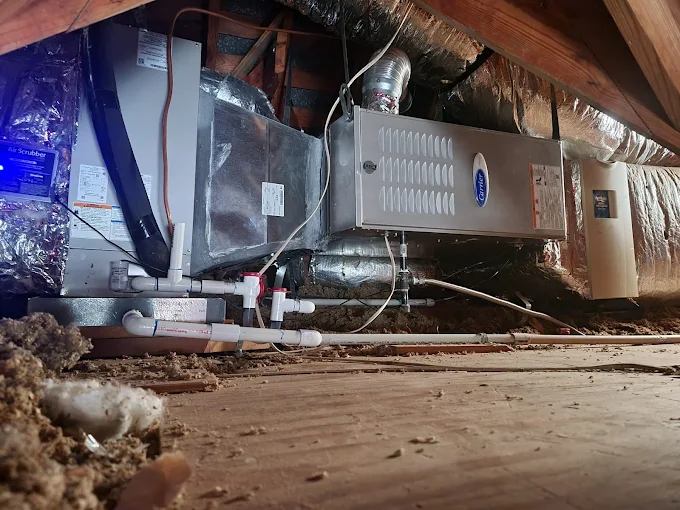
By the TemperaturePro team — serving Dallas, TX and nearby areas like Richardson, TX.
It’s late afternoon in Dallas and the house feels suddenly “stuffy,” then the AC starts blowing warm air—or it runs constantly but never quite cools. If you’re juggling kids’ schedules, work calls, or an office that won’t stay comfortable, that kind of HVAC disruption is more than annoying. It’s a real quality-of-life and cost problem.
This guide walks you through what to check first, the most common AC repair issues we see, and how to decide whether you’re looking at a repair, a service visit, or AC replacement. You’ll also find a practical checklist you can use before calling a technician, plus local context for homeowners and businesses in Dallas, TX and Richardson, TX.
Quick Answer
If your AC isn’t keeping up, the fastest path to a real fix is a system check that identifies the root cause—often airflow problems, refrigerant-related issues, electrical/control faults, or failing components. If the system is blowing warm air, making unusual noises, tripping breakers, or repeatedly cycling on/off, you should schedule an AC Repair rather than continuing to run it.
Key takeaway: “Runs but doesn’t cool” usually isn’t one simple problem. A proper HVAC Service should verify airflow, refrigerant circuit performance (when applicable), thermostat operation, and safety/control functions before recommending repair or AC replacement.
What to Check First
Before you call, you can often narrow down what’s going on. These checks also help the technician arrive prepared.
- Confirm thermostat settings: Make sure you’re in “Cool,” the temperature is set lower than the current room temp, and the system isn’t accidentally set to “Fan Only.”
- Check air filter condition: A clogged filter can cause poor airflow, which leads to warm air, frozen coils, and short cycling.
- Verify airflow at vents: Are vents weak on one floor/zone? Uneven airflow can point to ductwork restrictions, blocked returns, or a failing blower.
- Look at the outdoor unit: Is the fan running? Any visible debris blocking airflow? (Do not open panels—just observe.)
- Listen for symptoms: Hissing, grinding, or repeated clicking can indicate refrigerant leaks, electrical/control issues, or compressor problems.
Pro tip: If the indoor coil looks like it’s frosting up or the system cycles quickly, stop running the unit continuously. That pattern can turn a repair into a bigger job if airflow or refrigerant balance is off.
Main Things Customers Should Understand
AC performance issues are usually a combination of “what’s happening” and “what changed.” In Texas heat, systems work harder and minor problems show up faster. Below are the main categories technicians evaluate during an Air Conditioning Repair visit.
1) Airflow problems (the silent cause of “AC not cooling”)
When airflow is restricted—by a dirty filter, blocked return, closed dampers, or a failing blower motor—your AC may run but won’t move enough cooled air through the home. The result is often warm air, weak circulation, and higher energy use.
2) Refrigerant and cooling circuit issues
Low refrigerant levels can happen from leaks. If your system is blowing warm air, takes a long time to cool, or you notice ice on the indoor unit, refrigerant-related problems may be involved. The correct approach is diagnostic testing rather than “guessing” or topping off refrigerant without finding the cause.
3) Electrical and control faults
Tripped breakers, capacitor failures, faulty contactors, and thermostat wiring problems can all prevent the system from operating correctly. Sometimes the unit will start briefly and shut down, or it may run but not engage the compressor.
4) Compressor or outdoor unit failures
The compressor is the heart of central cooling. Wear over time, overheating, or electrical issues can lead to repeated cycling or no-cool conditions. In these cases, you’ll want a clear explanation of whether repair is practical or whether HVAC replacement makes more sense.
5) Maintenance history (why tune-ups matter)
Regular AC Tune-Ups and AC Maintenance help catch problems early—like worn components, airflow restrictions, or failing controls—before they become an emergency. If your system hasn’t had annual service, a repair may still be needed, but starting with proper inspection and cleaning often improves performance after the fix.
Need AC Repair in Dallas or Richardson?
TemperaturePro helps Dallas, TX and Richardson, TX customers get back to comfortable cooling with practical diagnostics, repair recommendations, and maintenance support.
Call (469) 275-1624Why this matters in Dallas
Dallas summers are unforgiving on HVAC equipment. Long run times, high humidity, and frequent temperature swings can expose weaknesses—especially in systems that haven’t been serviced. In many Richardson neighborhoods and surrounding areas, homes and commercial spaces also face challenges like:
- Older ductwork and airflow imbalance: Uneven cooling is common when ducts or returns aren’t delivering air the way they should.
- Filter and intake issues: Dust and seasonal debris can restrict airflow quickly during peak heat.
- Humidity load: When cooling performance slips, indoor humidity can rise, making the home feel warm even when the thermostat says “cool.”
That’s why a professional AC System Checkup should focus on how the system is performing—not just whether it turns on. A correct diagnosis helps prevent repeat breakdowns and unnecessary parts swapping.
| Situation | What It Usually Means | Typical Next Step |
|---|---|---|
| Unit runs, but air is warm or airflow is weak | Often airflow restriction, blower issues, control problems, or cooling circuit performance faults | Schedule an AC Repair diagnostic and verify airflow and system operation |
| Frost/ice on indoor unit or refrigerant symptoms | Airflow imbalance and/or refrigerant circuit issues may be present | Professional inspection to identify root cause before continuing operation |
| Repeated cycling, tripping breaker, or no-start behavior | Electrical/control faults or failing components | Testing of electrical components and controls; discuss repair practicality vs replacement |
| System is older with multiple recurring failures | Repairs may keep returning as components age | Consider AC replacement evaluation and overall comfort goals |
Common Mistakes to Avoid
These are the most frequent issues we see when homeowners try to handle an AC problem without a full diagnostic:
- Continuing to run the system “to see if it fixes itself”: If airflow is restricted or a cooling circuit is off, you can worsen the issue and increase repair time.
- Changing thermostat settings but skipping system checks: Thermostat problems exist, but “Cool” mode doesn’t rule out blower, control, or cooling circuit faults.
- Replacing parts without confirming the cause: Guesswork can lead to additional downtime—especially when the root problem is airflow, electrical, or maintenance-related.
- Ignoring airflow symptoms: Weak vents, clogged filters, or restricted returns are often the reason cooling never reaches the rooms that need it.
Customer Checklist
Use this quick checklist before your technician arrives. It helps you communicate symptoms clearly and speeds up the repair process.
AC troubleshooting checklist (Dallas & Richardson customers):
- Confirm the thermostat is set to Cool and not Fan Only
- Check the air filter (replace if dirty or restricted)
- Note what happens when the system starts: runs continuously, cycles on/off, or won’t start
- Observe airflow from vents: weak, uneven, or normal
- Listen for sounds: hissing, clicking, grinding, or no fan outdoor
- Check for visible issues around the outdoor unit: debris blocking airflow
If you’re also dealing with comfort or air quality concerns (common after repeated cooling problems), you may want to review air duct cleaning as part of a broader comfort plan—especially if airflow issues have been long-standing.
Important: If you notice burning smells, repeated breaker trips, or the unit won’t start at all, it’s better to stop troubleshooting and call for professional help. Safety and correct diagnosis come first.
Frequently Asked Questions
What are the most common reasons for AC not cooling?
In Dallas-area homes and businesses, the most common causes of AC not cooling include restricted airflow (dirty filters or blower issues), cooling circuit performance problems, electrical/control faults, and compressor or outdoor unit failures. Humidity load can also make the home feel warmer than expected even if the system is running. A professional diagnostic helps confirm which category your system is in before recommending AC repair or AC replacement.
Can I fix AC problems myself?
You can handle a few safe, basic checks—like confirming thermostat settings and checking/replacing a dirty air filter. However, issues that involve electrical components, refrigerant-related symptoms, or repeated cycling should be handled by a qualified HVAC technician. DIY “fixes” often miss the root cause, which can lead to more downtime and additional service costs.
How do I know if I need AC repair vs replacement?
Repairs are typically the right next step when the system has a specific, fixable fault (like an electrical/control problem, airflow restriction, or a component failure) and overall performance can be restored. Replacement may be more practical when the system is older, has multiple recurring failures, or the repair scope becomes broad. A technician should explain findings clearly and help you compare options based on comfort, system condition, and how often problems are returning.
What happens if I ignore warm air or weak airflow?
Ignoring warm air or weak airflow can lead to longer run times, higher energy costs, and potential secondary issues—such as frozen coils when airflow is restricted or increased strain on components. If a cooling circuit is off-balance, continued operation can worsen the situation and expand the repair needed.
Do you also help with other HVAC heating services?
Yes. TemperaturePro provides heating-related services as well. If your furnace or heater is acting up alongside AC issues, you can explore options like furnace repair and furnace tune-ups to keep your home comfortable year-round.
Ready to Get Help From TemperaturePro?
If your system is blowing warm air, cycling unpredictably, or simply not keeping up in Dallas heat, you don’t have to guess. TemperaturePro can help you identify the cause, choose the right next step, and plan maintenance so you spend less time dealing with HVAC problems.
Get your AC back to peak performance
TemperaturePro serves Dallas, TX and Richardson, TX with AC repair, HVAC service, and maintenance support designed for real-world comfort needs.
Call (469) 275-1624About TemperaturePro
TemperaturePro helps Dallas, TX and surrounding areas like Richardson, TX with HVAC heating and cooling services focused on practical diagnostics and clear repair recommendations. From AC Repair and AC Tune-Ups to indoor comfort support and broader HVAC heating and cooling services, the goal is to help customers avoid unnecessary downtime and choose the most sensible path for their home or business.
Related resources: