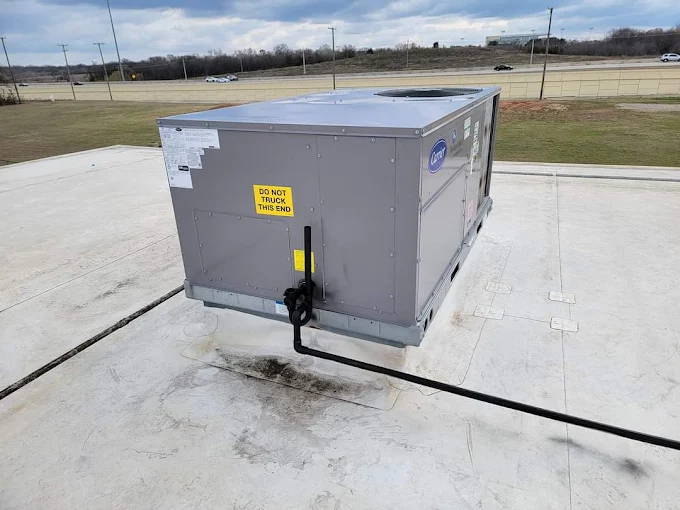
AC Repair When Your System Blows Warm Air
If your Dallas home feels stuffy and the vents push out warm or lukewarm air, the cause is usually something you can spot early. This guide walks you through what to check first, what it may mean for your AC system, and when to call TemperaturePro for air conditioning repair.
It starts the same way for a lot of homeowners in Dallas: the thermostat is set to cool, the AC runs for a while, and the air coming from the vents still feels warm. You might even hear the system cycling, but the house never really drops to the temperature you expect.
Before you assume the worst, you can narrow down the problem. This article helps you understand the most common reasons your air conditioner may be blowing warm air, what quick checks are safe to do, and what to ask about when you schedule AC repair.
- Quick answer
- What to check first
- Main things customers should understand
- Why this matters in Dallas, TX
- Common mistakes to avoid
- Customer checklist
- Frequently asked questions
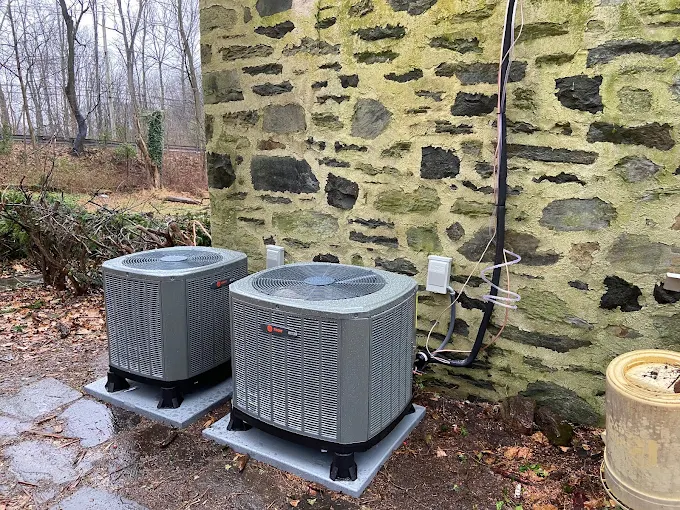
Quick Answer
If your AC is blowing warm air, start with the thermostat settings, confirm the system is actually in “cool,” and check your air filter for heavy clogging. If the problem persists, the next likely issues involve airflow restrictions, AC refrigerant problems, or a malfunctioning component that affects cooling. For safety and accuracy, schedule an AC inspection so a technician can diagnose the cause and recommend the right AC repair, AC maintenance, or AC replacement path based on what they find.
What to Check First
Before calling for help, focus on the checks that cost nothing and reduce the chance of chasing the wrong problem. Warm air can come from simple control settings, but it can also show up when the system cannot move cool air through your home.
1) Thermostat settings
Verify the mode is set to Cool and the fan is set to Auto (not On, if your system behaves oddly with continuous fan). Make sure the setpoint is below the current room temperature.
2) Air filter condition
A clogged filter can restrict airflow and prevent the indoor unit from exchanging heat properly. If the filter is dirty or has been neglected, replace it and see whether cooling improves.
3) Outdoor unit airflow
Check for obvious obstructions around the outdoor condenser such as leaves, debris, or blocked vents. Keep the area clear so the system can reject heat effectively.
Professional observation: In warm-air complaints, the fastest pattern to recognize is whether the indoor fan runs but the temperature never drops. That often points to airflow or refrigeration-related issues rather than just a thermostat setting.
Main Things Customers Should Understand
Once the thermostat and filter check out, the cooling system needs a proper diagnosis. In real homes, “AC blowing warm air” is rarely one single cause. It is usually a chain reaction involving airflow, refrigerant behavior, and electrical or mechanical performance.
| What you notice | What it can indicate | What TemperaturePro typically checks next |
|---|---|---|
| Air feels warm or only slightly cool | Reduced airflow, restricted return/supply, or a cooling performance issue | System checkup focused on airflow and component operation |
| System runs but temperature does not improve | Cooling system not transferring heat as expected | AC inspection to identify the root cause before replacing parts |
| Warm air plus ice buildup on parts | Airflow restriction or refrigerant-related conditions | Assessment to determine whether cleaning, maintenance, or repair is needed |
| AC starts then shuts off repeatedly | Protective shutdown from abnormal operating conditions | Electrical and operating conditions review during AC service |
Why This Matters in Dallas, TX
Dallas summers put heavy demand on residential cooling systems, especially in homes with older ductwork, higher attic heat gain, or frequent temperature swings. When your AC is struggling, warm-air symptoms can show up faster because the system has less margin to recover between cycles.
Local homeowner tip: If you recently changed seasons, had dust from yard work, or noticed airflow drop in certain rooms, that can affect cooling performance. A focused AC inspection and AC tune-ups help restore consistent comfort.
Common Mistakes to Avoid
When an AC problem is obvious, it is tempting to keep “trying things” until it improves. Unfortunately, some common actions can delay the real fix or create additional issues.
- Leaving the thermostat settings wrong. If the system is not truly calling for cooling, you may waste time troubleshooting the wrong components.
- Running the fan continuously. Continuous fan can change how the system cycles and may mask what is really happening with cooling.
- Ignoring a dirty filter. Even if the filter is only a little clogged, it can reduce airflow and worsen warm-air complaints.
- Assuming the problem is “just low refrigerant.” Refrigerant issues require proper diagnosis. Replacing parts without verifying the cause can lead to repeat failures.
- Waiting too long to inspect the system. If the unit is operating with restricted airflow or abnormal conditions, it can lead to bigger repair needs.
Customer Checklist
Use this checklist to get ready for AC repair in Dallas. It helps you describe the symptoms clearly and gives the technician a better starting point.
Before the technician arrives: Gather a few details about what you see at home. Those notes often make the inspection faster and more accurate.
- Confirm thermostat mode: Cool selected, fan set to Auto (if applicable), setpoint below current temperature.
- Note how long it runs: Does it run for minutes or does it cycle off quickly?
- Describe the air temperature: Truly warm, lukewarm, or only slightly cooler than outside?
- Check the filter: When was it last replaced, and does it look dirty?
- Look for ice or unusual buildup: Any visible frost on parts or odd residue?
- Check airflow in rooms: Are some rooms much warmer or are vents evenly affected?
- Inspect the outdoor unit area: Any blocked airflow from debris or plants?
A representative Dallas scenario
A homeowner in Dallas noticed the AC blowing warm air after a stretch of hot days. The thermostat was set to cool, and the indoor fan still ran, but the temperature never dropped. The air filter was overdue and the vents in the hallway stayed warmer than the rest of the house. After replacing the filter, the system improved slightly, but cooling remained inconsistent. A technician completed an AC inspection and confirmed the system needed targeted AC repair and a performance-focused tune-up to restore proper operation.
Get a clearer diagnosis for warm-air AC
If your system is running but not cooling, TemperaturePro can inspect your AC system and recommend the right next step, from AC repair to AC replacement if that is the better long-term choice.
Contact TemperatureProFrequently Asked Questions
Why does my AC blow warm air even when the thermostat is set to cool?
Warm-air output usually means the system is not transferring heat properly or not moving enough air across the cooling components. Common causes include incorrect thermostat settings, a heavily clogged filter, airflow restrictions, or a cooling performance problem that requires a technician to check system operation. A proper AC inspection helps confirm whether the issue is related to airflow, components, or refrigerant behavior so you avoid guessing.
Can a dirty air filter cause my AC to blow warm air?
Yes. A clogged filter reduces airflow, which can prevent the indoor unit from exchanging heat efficiently. When airflow is restricted, the system may run but fail to deliver the cool air you expect. Start by checking the filter and replacing it if it is dirty. If warm air continues after the filter change, the next step is typically an AC inspection to look for additional causes beyond airflow.
What is the difference between AC tune-ups and AC repair?
An AC tune-up is focused on maintenance tasks that can improve efficiency and help the system run as intended. AC repair addresses a specific malfunction or performance failure, such as a component problem or an issue found during diagnosis. If your AC is blowing warm air, repair is often the right direction once the cause is identified. TemperaturePro can help you decide based on what the inspection shows.
When should I consider AC replacement instead of more AC repair?
AC replacement becomes a practical consideration when the system’s performance issues point to broader wear or recurring problems that are difficult to correct. A technician can evaluate the condition of the system during an AC inspection and discuss whether AC repair or AC replacement better matches the home’s needs. If the cooling can’t be restored reliably, replacement may be the more effective long-term path.
Do you also service heating problems if my system is combined?
Many Dallas homes use combined heating and cooling systems, so comfort issues can overlap across seasons. TemperaturePro offers heating-related services like furnace repair, furnace tune-up, furnace inspections, furnace maintenance service, and furnace installation. If you are troubleshooting both heating and cooling concerns, scheduling the right inspections can help prevent missed root causes.
Schedule an AC inspection with TemperaturePro
If your AC is blowing warm air in Dallas, TX, a clear diagnosis is the quickest way to get back to reliable comfort. TemperaturePro serves Dallas and Richardson and can help with AC inspection, AC service, and AC repair based on what your system needs.
Call (469) 275-1624
TemperaturePro (Dallas, TX)
TemperaturePro provides HVAC heating and cooling services for homeowners and businesses in Dallas, TX and nearby areas like Richardson, TX. If your system is underperforming, warm-air cooling symptoms, or you need routine maintenance, TemperaturePro can help you get the right next step through AC inspections, AC repair, and related HVAC services.
Explore more services such as AC inspections, AC tune-ups, or AC replacement.