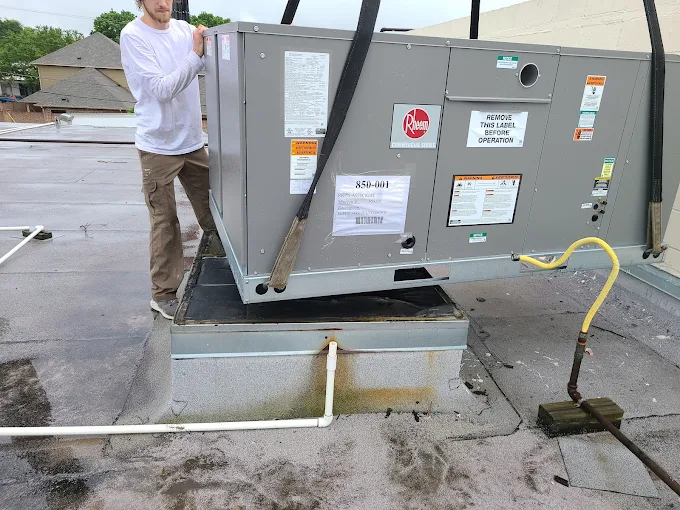
Signs Your Commercial HVAC Needs Maintenance Today
If your Dallas-area building is getting hotter in some rooms, colder in others, or the system seems “off” lately, maintenance is often the missing step. This guide walks you through practical signs to watch for, what those symptoms usually mean, and what to do next for dependable comfort.
Last week, one of your tenants mentioned the office “feels warmer than it should.” You check the thermostat and it looks right, but the supply air coming from some vents feels weak, and other areas seem to overcool. Meanwhile, the outdoor unit runs more often than usual and the indoor blower sounds louder during certain cycles.
When commercial HVAC starts acting inconsistent, it is usually not one single problem. It is often a chain reaction caused by dirty components, airflow restrictions, refrigerant issues, or controls that have drifted out of calibration. Below, you will learn how to spot maintenance needs early, what to check first, and how to make the next service visit more productive.
- Quick answer
- What to check first
- Main things customers should understand
- Why this matters in Dallas, TX
- Common mistakes to avoid
- Customer checklist
- Frequently asked questions
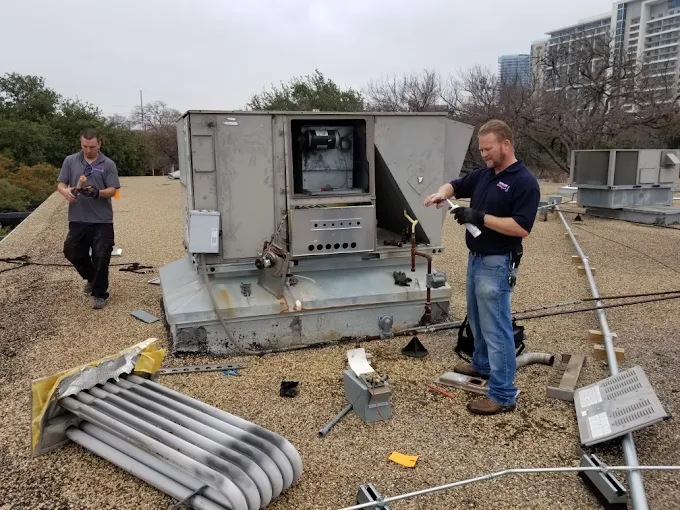
Quick Answer
If your commercial HVAC is running longer, cooling unevenly, making new noises, or showing recurring temperature complaints, schedule maintenance before the issue escalates. Start by checking obvious items like air filters, blocked return vents, and thermostat settings. If the problem persists, a technician should verify airflow, inspect safety controls, and check key system readings. In Dallas, TX, regular tune-ups and inspections help your equipment handle hot, humid stretches without falling behind. For furnace and HVAC heating services, TemperaturePro can also help when heating performance or airflow is part of the complaint.
What to Check First
Before you call for service, take a quick walk-through and gather a few details. These checks do not replace professional diagnostics, but they help you identify whether the issue is likely airflow, controls, or something more. Start with the easiest, most visible factors, then note anything that seems abnormal so the technician can focus right away.
1) Airflow and vents
Look for blocked return grilles, closed supply registers, or supply vents that are covered by furniture or signage. Inconsistent airflow can make one area feel too warm and another too cold even when the thermostat is set correctly.
2) Filter condition
Check the air filter. If it is clogged or installed incorrectly, the system may struggle to move air, which can lead to poor cooling performance and higher runtime.
3) Thermostat behavior
Confirm schedules, setpoints, and modes. If the building uses zones, note whether the complaints line up with specific zones or only happen during certain times of day.
Main Things Customers Should Understand
Commercial systems are built to run continuously, but they still need periodic attention. Below are common signs that your HVAC is due for maintenance or inspection, along with what typically causes them and what a service visit often focuses on.
Professional observation: When multiple rooms complain at the same time, it often points to airflow imbalance, dirty components, or a system reading that is drifting out of range. Maintenance helps restore stable operation before small problems turn into repeat service calls.
Uneven comfort across floors or zones
One tenant may feel too warm while another area feels too cold. This can result from restricted airflow, leaky ductwork, or components that are not delivering the expected airflow. Even small restrictions can matter in a commercial building where load demands change throughout the day.
Longer run times and frequent cycling
If the system seems to turn on and off more than usual, or it runs much longer to reach set temperature, that can indicate airflow problems, dirty coils, or a control or safety component that is limiting performance. Maintenance can clean and check the parts that influence runtime.
New sounds during operation
Banging, scraping, rattling, or a noticeably louder blower can be a sign of worn components, loose panels, or debris buildup. Do not ignore unusual sounds, because they can change how efficiently the system moves air and can accelerate wear.
Weak cooling or heating performance
When air coming from vents feels weak, the cause is often airflow related: filters, blower operation, duct restrictions, or coil buildup. If heating is also part of the complaint, it may involve furnace performance, maintenance needs, or system balancing.
Frost, condensation issues, or unusual moisture
Excess condensation around indoor sections or persistent cold spots on cooling components can signal airflow or refrigerant-related problems. Maintenance and inspection should include checks that help confirm the system is operating as intended.
Maintenance focus: A thorough commercial HVAC inspection typically includes checking airflow, inspecting coils and drainage paths, verifying control operation, and reviewing system performance patterns. If heating is involved, related furnace maintenance and inspections may be part of the same diagnosis.
Why This Matters in Dallas, TX
In Dallas, TX, commercial buildings often face quick swings between hot, humid days and milder conditions. That variability can stress HVAC equipment and expose weaknesses in filtration, airflow, and coil cleanliness. When the system falls behind, tenants feel it quickly, especially in spaces with large glass areas, high occupancy, or afternoon sun exposure.
In Richardson, TX and across the Dallas area, commercial properties may also have older ductwork layouts, mixed-use spaces, or rooftop units that run year-round. Routine commercial HVAC maintenance helps reduce the chances that the system becomes unreliable when demand spikes, and it gives your building team a clearer understanding of what is normal versus what is drifting.
| What you notice | What it may indicate | What a maintenance visit often checks |
|---|---|---|
| Some rooms too warm, others too cool | Airflow imbalance, restricted returns, or zone issues | Filter and airflow verification, vent/return inspection, system checkup |
| System runs longer to reach temperature | Dirty components or reduced airflow efficiency | Coil inspection/cleaning needs, blower operation, performance review |
| New rattling or scraping sounds | Debris, loose parts, or worn moving components | Mechanical inspection, secure components, airflow path check |
| Weak supply air | Clogged filter, blower restriction, or ductwork restriction | Air filter condition, blower function, ductwork and airflow checks |
| Recurring comfort complaints at the same time of day | Capacity mismatch or control schedule drift | Controls and scheduling review, system response validation |
Get a maintenance-focused inspection for your commercial HVAC
If your building comfort complaints are recurring, a structured inspection can help identify what is driving the inconsistency so repairs are targeted.
Schedule commercial HVAC service with TemperatureProCommon Mistakes to Avoid
When comfort issues hit, it is tempting to keep changing settings or repeatedly reset the thermostat. Those quick fixes can mask symptoms and delay the real cause. Here are common missteps that often lead to longer downtime and more expensive repairs later.
Ignoring airflow problems
People often blame the thermostat, but restricted returns and clogged filters can make the entire system underperform. Start with airflow and filtration before assuming a major failure.
Cleaning without inspecting
Some building teams clean visible surfaces but skip the checks that matter, like verifying airflow and inspecting system components. Maintenance is more than surface-level cleaning.
Resetting controls repeatedly
Frequent resets can hide patterns that technicians look for, such as performance issues tied to schedules or specific zones.
Customer-minded recommendation: If heating and cooling both get complaints, treat the system as a whole. For example, furnace service and furnace maintenance may be part of restoring consistent comfort, especially when indoor air distribution is shared.
Customer Checklist
Use this checklist to prepare for your next service visit. The goal is to provide clear, useful details so TemperaturePro can diagnose faster and focus on what will improve comfort and reliability.
- Note which areas or zones are affected and when the complaints start.
- Record thermostat settings, mode, and schedule (including any recent changes).
- Check and replace filters if they are dirty or incorrectly installed.
- Confirm return grilles and supply vents are not blocked.
- Listen for unusual blower or outdoor unit sounds and write down what you hear.
- Look for visible moisture issues around indoor sections or drainage areas.
- Share any recent service history, including repairs to ductwork or system parts.
- Ask for an HVAC inspection that includes airflow and performance checks.
Representative scenario: what it looks like in the real world
A property manager in Dallas, TX oversees a multi-tenant building. Over two weeks, tenants in two suites report that the temperature swings by several degrees. The maintenance team finds that filters were replaced late, and one return grille had been partially covered by storage. After the filters were corrected, the comfort issues improved slightly, but the building still felt uneven during peak afternoon hours. A maintenance-focused inspection then focuses on airflow balance and system performance patterns, helping the team pinpoint what needs attention next.
Frequently Asked Questions
How often should commercial HVAC maintenance happen?
Most commercial buildings benefit from routine HVAC maintenance schedules, especially before and during the seasons when demand is highest. In Dallas, TX, that usually means paying attention to pre-summer readiness and then monitoring performance as conditions shift. A technician can also recommend a schedule based on how the building is used, how many zones are running, and whether there are recurring comfort complaints. If you are already seeing uneven temperatures, longer run times, or unusual sounds, that is a strong sign to schedule maintenance now rather than waiting for the next “planned” date.
Can dirty filters cause uneven cooling in a commercial building?
Yes. Dirty or misinstalled filters restrict airflow, which can lead to weak supply air and inconsistent performance across zones. When airflow is reduced, the system may struggle to reach set temperature and may cycle in a way that creates temperature swings. Even if the thermostat is operating correctly, airflow restrictions can prevent the building from getting the comfort you expect. Checking filters is one of the first steps you can do as a building manager or tenant, but a technician should still verify airflow and inspect related components when comfort complaints persist.
What should we do if only one zone is uncomfortable?
If only one zone is uncomfortable, start by checking zone-specific factors such as blocked vents, closed registers, or a schedule that does not match the space’s occupancy. Then confirm whether the issue aligns with certain times of day. Uneven comfort can also be caused by airflow imbalance, ductwork restrictions, or control operation that needs adjustment. A maintenance inspection can help confirm whether the system is delivering the expected airflow and whether the zone is being called for correctly.
Is it safe to keep running the HVAC if we notice unusual noises?
Unusual noises are a reason to pause and get an inspection. Some sounds may be minor, such as debris interacting with airflow, but others can indicate loose components, worn moving parts, or problems that can worsen over time. Continuing to run the system may increase wear or lead to additional damage. If you hear rattling, scraping, or banging that is new or getting worse, scheduling maintenance sooner helps protect the equipment and reduces the chance of comfort problems spreading throughout the building.
How can we prepare our team for an HVAC maintenance visit?
Collect basic information before the technician arrives: which areas complain, when the issue occurs, and any thermostat or schedule changes made recently. Also check and confirm filter condition and ensure access to key equipment areas. If your building has multiple units, note which system serves the affected spaces. This preparation helps the technician focus on the right components during the inspection and can reduce repeat visits.
Ready to restore consistent comfort in your Dallas building?
TemperaturePro helps commercial customers with HVAC inspection and maintenance focused on performance and airflow. If you are seeing uneven temperatures, longer run times, or recurring complaints, get a maintenance-focused service visit scheduled.
Call TemperaturePro at (469) 275-1624
About TemperaturePro
TemperaturePro is an HVAC company serving Dallas, TX and nearby areas like Richardson, TX. Whether your comfort issue involves cooling performance, air distribution, or heating maintenance, our goal is to help you restore dependable operation with practical inspections and maintenance. If your building needs commercial HVAC attention, you can explore our commercial HVAC services or review related heating and furnace options like furnace maintenance when heating performance is part of the complaint.
For customers who want to address comfort issues while also preventing future breakdowns, starting with an inspection is often the best first step.
Related services you may also need: AC maintenance, AC inspections, and furnace tune-ups.