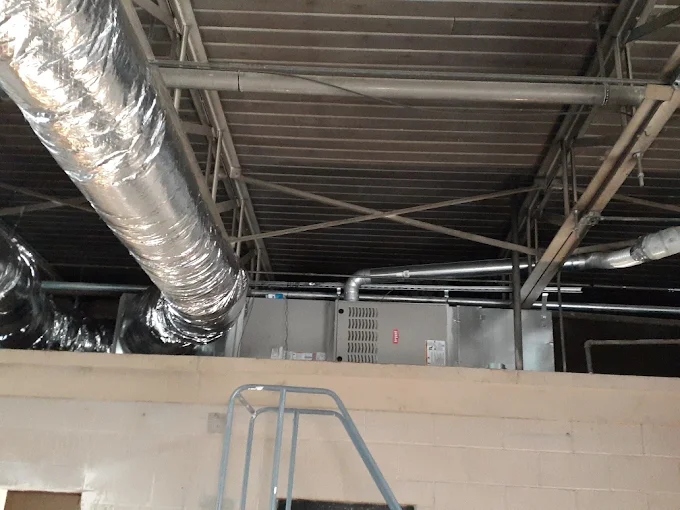
If your air conditioner is acting up in Dallas, TX, waiting too long can turn a simple repair into a bigger, more expensive problem. This guide helps you recognize the warning signs of AC problems, know what to check right away, and decide when it is time to call TemperaturePro for AC repair.
It starts innocently: the thermostat is set to cool, the air conditioner kicks on, and then the house never really gets comfortable. In Dallas, that can feel like an emergency because heat and humidity can build quickly, especially in the afternoon.
Sometimes the issue is obvious, like warm air or strange noises. Other times, it is the “almost working” behavior that worries you. This guide will help you identify the AC repair signs that need immediate attention, understand what could be happening, and take a few practical steps before a technician arrives.
- Quick answer
- What to check first
- Main things customers should understand
- Why this matters in Dallas, TX
- Common mistakes to avoid
- Customer checklist
- Frequently asked questions
Quick Answer
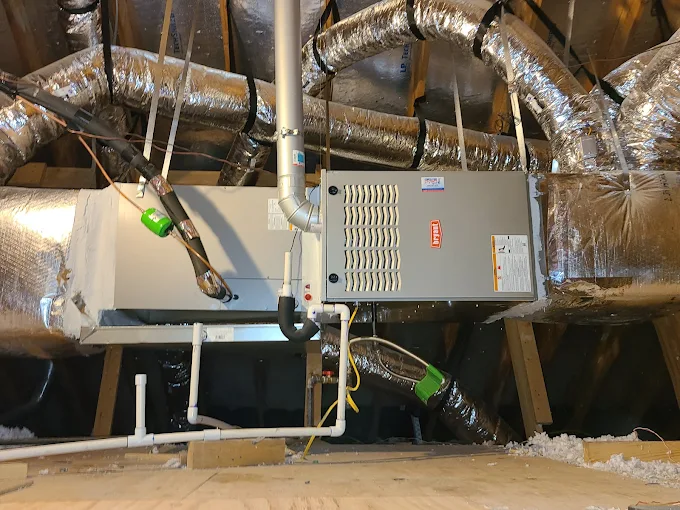
If your AC is blowing warm air, short-cycling, leaking refrigerant, or showing signs of electrical or airflow problems, it is time to schedule AC repair. Start with simple checks like the thermostat setting, air filter condition, and whether the outdoor unit is running. If the system still will not cool or you notice refrigerant-type odors, ice buildup, or repeated tripping of the breaker, stop troubleshooting and call TemperaturePro. A technician can inspect the system, confirm the cause, and recommend the right repair path for your home in Dallas, TX.
What to Check First
Before you call, take a quick walk-through. These checks can rule out easy problems and help you describe symptoms clearly, which makes AC service more efficient.
Thermostat basics
Confirm the system mode is set to Cool and the fan is not stuck on On if you want normal cooling cycles.
Airflow restriction
Check whether the air filter is clogged. Reduced airflow can cause the system to freeze and then blow warm air when it thaws.
Outdoor unit activity
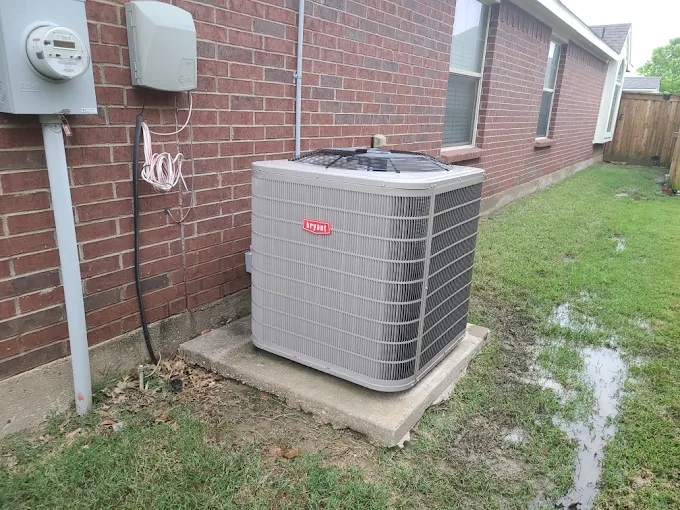
Look for whether the outdoor unit starts when cooling is called for. If it never runs, the problem may be electrical, control-related, or a safety shutdown.
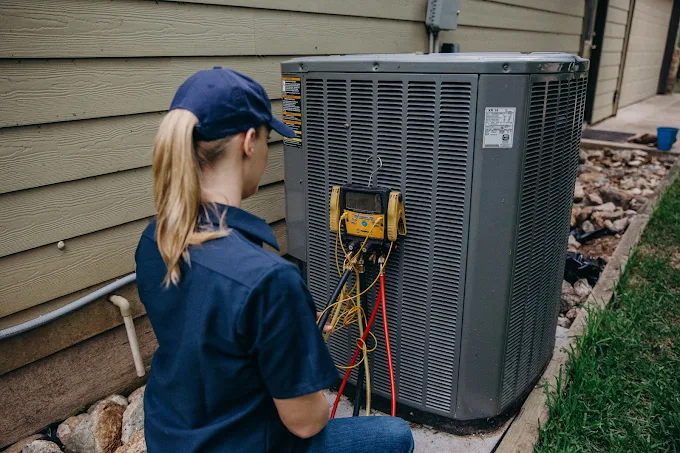
- Verify power at the indoor unit and confirm the thermostat is calling for cooling.
- Check for ice on the indoor coil or refrigerant lines. If you see heavy icing, give the system time to recover and do not keep resetting it repeatedly.
- Listen for unusual sounds (grinding, persistent buzzing, or loud rattling) that suggest a mechanical issue.
- If you smell a strong chemical odor or you suspect refrigerant leakage, stop operating the system and schedule inspection.
- Turn off the system if you notice repeated breaker trips, then have it inspected.
Main Things Customers Should Understand
In practice, “AC repair signs” often fall into a few buckets: airflow problems, refrigerant issues, electrical/control faults, and drainage or airflow path restrictions. Below are the warning signs that typically mean your system needs immediate attention.
Professional observation: Many AC failures do not happen overnight. They show up as small performance changes first, then progress to warm air, ice, or shutdowns. If you catch it early, repairs are usually simpler than when the system has been running through a fault for weeks.
1) Warm air or weak cooling (especially after several minutes)
If your air conditioner blows air that feels warm, or the temperature only drops a degree or two before stalling, it can point to refrigerant problems, compressor issues, or restricted airflow. In Dallas, TX, where cooling demand is constant during peak periods, delays can quickly lead to icing and system strain.
2) AC short-cycling (turns on and off repeatedly)
Short-cycling can be caused by airflow restrictions, sensor or control faults, refrigerant imbalance, or an overheating protection response. If you notice frequent starts and stops, do not keep resetting the thermostat. That pattern can increase wear on key components.
3) Ice buildup on the indoor coil or refrigerant lines
Ice is a major red flag. It usually means the coil is not absorbing heat properly, often due to insufficient airflow or refrigerant-related conditions. Turning the system on and off to “test it” can make the situation worse.
4) Refrigerant-type symptoms (unusual odors, oily residue, or visible leaks)
If you suspect an AC refrigerant leak repair is needed, treat it seriously. Refrigerant problems can reduce cooling performance and can also damage the system if the unit runs low or with abnormal conditions.
5) Water leaks, clogged drain behavior, or repeated moisture issues
When an AC cannot manage moisture properly, you may see water around the indoor unit, wet ceilings, or persistent drainage problems. A system check can help determine whether the issue is drainage-related, an airflow problem, or a frozen coil thawing.
| What you notice | Most likely category | Why it needs attention | Best next step |
|---|---|---|---|
| AC not cooling or blowing warm air | Refrigerant, airflow, or compressor/control issue | System can run inefficiently and lead to freezing or shutdown | Schedule AC repair inspection |
| Short-cycling | Protection response, sensor/control fault, or airflow restriction | Frequent cycling increases wear and can mask the root cause | Request AC inspection |
| Ice on coil or refrigerant lines | Airflow restriction or refrigerant imbalance | Running while iced can worsen performance and damage | Stop repeated resets and have it checked |
| Strange electrical behavior (breaker trips, repeated shutdown) | Electrical or control fault | Safety risk and component damage risk | Turn off and schedule service |
| Water leaks around the indoor unit | Drainage, airflow, or freeze-thaw issue | Moisture can damage ceilings, floors, and finishes | Have the system inspected and serviced |
Why This Matters in Dallas, TX
In Dallas, TX and nearby Richardson, the cooling season is long, and the air can stay humid even when temperatures moderate. That combination makes AC performance drop more noticeable, and it can also increase the chance that drainage and moisture issues show up sooner. If you are seeing AC not cooling, ice, or repeated shutdowns during hot stretches, treat it as an urgent maintenance need rather than a “wait and see” situation.
TemperaturePro also sees a common pattern in homes across the area: systems that are running with reduced airflow or struggling refrigerant balance tend to show symptoms more during peak demand. A detailed check can help confirm what is actually happening inside your indoor coil and outdoor unit, then guide the right repair approach.
Common Mistakes to Avoid
When an AC problem starts, homeowners often try to fix it the same way they would a minor appliance issue. Unfortunately, HVAC systems have safety protections and component interactions that make some DIY steps risky or ineffective.
Common mistakes:
- Keeping the thermostat cycling by repeatedly turning the system on and off. That can worsen short-cycling.
- Ignoring ice and running the system anyway. Ice usually signals airflow or refrigerant-related trouble.
- Changing filters without checking airflow. A clogged filter is a symptom, not always the only cause.
- Assuming “it just needs a recharge”. Refrigerant issues require diagnosis. The right repair depends on the cause.
- Waiting for the system to “get worse” before calling. Performance problems can lead to additional wear.
Customer Checklist
Use this checklist when you are deciding whether to schedule AC repair. It is designed to help you communicate what you are seeing and avoid delays.
- Is the AC blowing warm air or only cooling briefly?
- Do you notice short-cycling or repeated on/off behavior?
- Is there ice on the indoor coil, air handler, or refrigerant lines?
- Have you seen water pooling, dripping, or moisture around the indoor unit?
- Did the breaker trip or does the unit shut down repeatedly?
- Do you smell unusual odors or notice signs of refrigerant leakage?
- Has the issue started during peak heat and humidity in Dallas, TX?
Representative scenario
For example, a homeowner in Dallas, TX notices that their central AC runs for about five minutes, then shuts off. The air coming from the vents feels cool at first, then turns warm. When they check later, they find light ice near the indoor coil. Instead of resetting the thermostat again and again, they turn the system off and schedule an inspection. A technician can check airflow, inspect for refrigerant-related conditions, and confirm whether the system is short-cycling due to a control or protection response. That focused diagnosis helps avoid repeated strain on the system.
Get your AC symptoms diagnosed in Dallas, TX
If you are seeing warm air, ice, short-cycling, or moisture issues, TemperaturePro can help identify the cause and recommend the right next step.
Contact TemperatureProFrequently Asked Questions
What are the first AC repair signs I should watch for?
Start with performance and safety signals: AC not cooling properly, air that turns warm after a short run, noticeable ice on the indoor coil, unusual noises, or water around the indoor unit. Also watch for electrical behavior like repeated shutdowns or breaker trips. If you notice any combination of these, it is better to schedule an AC inspection rather than keep resetting the system.
Should I run the AC if I see ice on the coil?
No. Ice usually means the system is not managing heat transfer correctly, commonly due to airflow restriction or refrigerant-related conditions. Running the unit while it is iced can increase stress and make the problem worse. Turn the system off and arrange a service visit so the technician can check airflow, inspect the system components, and restore normal operation safely.
Is short-cycling always a refrigerant problem?
Not always. Short-cycling can be caused by airflow issues, sensor or control faults, or a protection response that stops the system to prevent damage. The safest approach is a proper inspection so the technician can confirm what is triggering the cycling and address the root cause, not just the symptom.
What should I do if my AC is leaking water?
First, protect the area from moisture and avoid running the AC if the leak is active and significant. Water leaks can come from drainage issues, airflow problems, or thawing after ice. A service call can help identify the cause, check the drainage path, and restore dependable cooling and moisture management.
When should I consider AC maintenance instead of waiting for repairs?
Maintenance is a good step when your system is still cooling reliably but you want to prevent problems. Annual AC maintenance helps keep performance steady and can reduce the chance of sudden failures during peak cooling periods. If you are already seeing warm air, ice, or repeated shutdowns, prioritize AC repair and inspection first, then follow up with maintenance to help prevent recurrence.
Need AC repair in Dallas, TX?
TemperaturePro provides HVAC heating services and AC repair support for homeowners in Dallas, TX and Richardson, TX. If your system shows urgent warning signs, schedule an inspection so you can get back to steady cooling.
Call TemperaturePro: (469) 275-1624
TemperaturePro
TemperaturePro is a local HVAC company serving Dallas, TX and Richardson, TX with heating and cooling services, including AC repair, AC inspections, and AC maintenance. If you are dealing with AC not cooling, emergency AC repair concerns, or issues tied to airflow, refrigerant, or system safety, our team can help you understand what is happening and choose the right next step.
Explore more options: AC maintenance, AC tune-ups, or furnace repair.