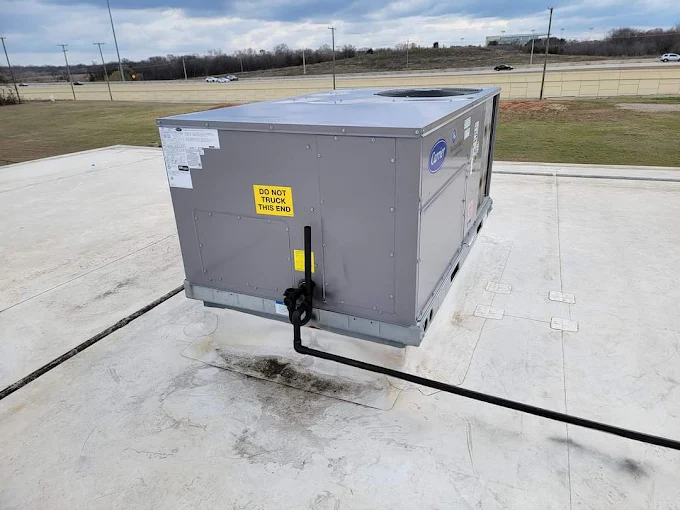
Safety Benefits of Commercial HVAC Maintenance for Staff
When your building comfort system is neglected, the risks show up as more than discomfort. A careful maintenance plan helps reduce safety hazards tied to airflow problems, combustion issues, electrical wear, and indoor air quality. In Dallas, TX, where HVAC systems work hard through hot summers and cooler stretches, routine service is one of the most practical ways to protect staff during daily operations.
A property manager in Dallas recently told me their office was “fine” until employees started complaining about uneven temperatures and stale air near the break room. A week later, the furnace began running poorly, and the team reported unusual smells and intermittent heating. The building did not shut down, but the safety concern was real: when HVAC systems drift out of proper condition, staff end up noticing the symptoms first.
If you manage a commercial space, you already know comfort affects productivity. This guide helps you understand the safety side of commercial HVAC maintenance, what to check before problems escalate, and how preventative service supports a safer workplace for your team in Dallas, TX.
- Quick answer
- What to check first
- Main things customers should understand
- Why this matters in Dallas, TX
- Common mistakes to avoid
- Customer checklist
- Frequently asked questions
Quick Answer
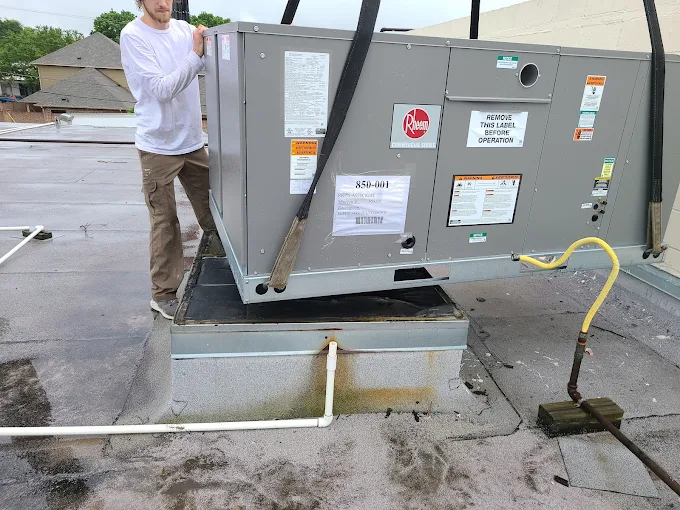
Commercial HVAC maintenance helps staff stay safer by reducing common failure paths: unsafe combustion conditions on gas equipment, airflow restrictions that can strain systems, electrical wear that can lead to breakdowns, and indoor air quality issues caused by dirty components. A practical next step is to schedule routine commercial HVAC service and use a maintenance plan that includes inspections and cleaning. If you notice smells, inconsistent temperatures, or a furnace that won’t heat properly, address it promptly rather than waiting for a full shutdown.
What to Check First
If you are trying to reduce risk right away, start with the symptoms your staff can observe. Look for rooms that are consistently too hot or too cold, unusual odors when the system starts, and visible dust buildup around supply returns or rooftop units. Then check whether the system is cycling too often, running longer than usual, or failing to maintain setpoints.
Immediate safety signals that deserve attention
Any of the following conditions should trigger a maintenance visit instead of “monitoring longer”:
- Furnace not heating or heating inconsistently, especially with error codes or repeated starts.
- Furnace blowing cold air or supply air that feels weak.
- Gas furnace concerns such as persistent odors, unusual noises, or frequent shutdowns.
- Airflow restrictions like clogged filters, blocked returns, or excessive dust near vents.
- AC not cooling with warm air at the registers, which can affect comfort and concentration during Dallas heat.
Professional observation: In commercial buildings, safety issues often begin as “small comfort problems.” Uneven airflow and poor temperature control can lead to staff complaints, which is why maintenance should be treated like a workplace safety routine, not a seasonal reaction.
Main Things Customers Should Understand
Commercial HVAC safety is not one single factor. It is the sum of several systems working as designed: proper combustion and venting, safe electrical operation, clean airflow paths, and indoor air quality support. With routine maintenance, you are proactively reducing the chance that staff encounters unsafe conditions during normal work hours.
1) Safer combustion and heating operation (especially for gas furnaces)
When a gas furnace is neglected, combustion performance can drift. Maintenance helps ensure components are inspected and cleaned as needed, and that the system is operating within expected parameters. That reduces the risk of unsafe conditions and improves reliability for day-to-day operations.
For example, routine furnace inspections and furnace service support safer heating by checking the system’s overall condition rather than waiting for a complete failure.
2) Better airflow helps reduce system stress and indoor air complaints
Air that cannot move properly forces HVAC equipment to work harder. That can increase wear on moving parts, raise the likelihood of breakdowns, and worsen comfort. From a staff perspective, reduced airflow can also mean more dust circulation and weaker ventilation, which is often noticed first by employees in meeting rooms, lobbies, and break areas.
3) Clean components support indoor air quality and comfort
Commercial spaces accumulate dust from high traffic, supply rooms, and seasonal airflow demands. Maintenance that includes furnace cleaning and attention to air pathways supports healthier indoor conditions. If your building has recurring dust concerns, you may also benefit from indoor air quality services such as duct cleaning.
4) Electrical and control reliability matters for safety
HVAC systems rely on controls, sensors, and electrical connections to operate correctly. Over time, vibration, wear, and heat can affect components. Maintenance helps identify deterioration early, which can prevent unexpected shutdowns and reduce the chance of operational problems during peak building hours.
5) Preventative maintenance reduces “emergency-mode” decisions
When equipment fails, staff and managers are forced into last-minute decisions that can lead to uncomfortable or unsafe conditions. Preventative service helps keep the system stable so you can plan repairs instead of reacting in the middle of a busy shift.
Why This Matters in Dallas, TX
Dallas, TX buildings often swing through hotter periods where air conditioning runs frequently, followed by cooler stretches when heating demand returns. That cycling is a real-world stress test for commercial HVAC equipment. In Richardson, TX and across the Dallas area, maintenance helps your system stay responsive when weather changes, which supports consistent comfort and reduces the odds of staff noticing problems during critical work hours.
Practical takeaway: If your staff reports “hot spots,” “stale air,” or uneven heating after a seasonal change, schedule furnace maintenance or AC maintenance before the next high-demand period. It is a straightforward way to protect both comfort and day-to-day safety.
Decision table: maintenance focus by symptom
| Staff-observed symptom | Likely maintenance focus | What to do next |
|---|---|---|
| Furnace not heating or heating inconsistently | Furnace inspection, controls check, and safe heating operation review | Request a furnace inspection to identify the cause before it worsens |
| Furnace blowing cold air | Airflow and heating sequence troubleshooting, component inspection, furnace safety inspection | Schedule furnace maintenance and ask about furnace troubleshooting |
| AC not cooling or weak cooling | AC inspection, airflow and system checkup | Book an AC evaluation and confirm the system is ready for peak cooling demand |
| Noticeable dust, stale air, or recurring indoor air complaints | Cleaning needs and indoor air quality support | Consider indoor air quality service such as duct cleaning |
Get your commercial HVAC maintenance plan set up
TemperaturePro can help you build a practical maintenance approach for your Dallas, TX facility so staff stay comfortable and the system runs reliably through changing seasons.
Contact TemperatureProCommon Mistakes to Avoid
Most commercial HVAC problems do not start with a major breakdown. They start with small decisions that gradually increase risk. Avoid these common mistakes to keep your building safer for staff and more predictable operationally.
Waiting for a full failure
Deferring maintenance until the system stops working can lead to rushed repairs and uncomfortable conditions during business hours.
Only addressing comfort complaints
“Hot spot” complaints are a signal. They can reflect airflow problems, filter issues, or equipment strain that maintenance can correct.
Skipping inspection-based service
Maintenance should include checks of system condition, not just basic cleaning. Inspections help catch issues early.
One firsthand-style scenario (representative)
In a Dallas office building, the property manager noticed employees in the rear suites kept adjusting thermostats because temperatures drifted through the afternoon. The facility had a schedule for “seasonal service,” but maintenance was postponed one cycle after a busy quarter. When the heating season returned, the furnace did not respond normally and the system began delivering weak heat. The root issue was not just a single part. A maintenance visit that included an inspection and proper furnace service approach helped restore safer, more consistent heating for staff and reduced repeat calls.
Customer Checklist
Use this checklist to keep your commercial HVAC safety routine consistent. It is designed for busy managers and maintenance staff who need clear, actionable steps in Dallas, TX facilities.
- Confirm indoor comfort issues are logged by location (hot spots, weak airflow, stale air).
- Check filters and replace or service them as recommended for your system and building use.
- Inspect returns and supply areas for blockages, dust buildup, and restricted airflow paths.
- Track furnace and heater behavior: short cycling, unusual noises, or furnace not heating complaints.
- Schedule periodic furnace inspections and furnace maintenance service before peak seasonal demand.
- Plan AC maintenance so you are not starting cooling season with an unknown system condition.
- If you suspect safety-related concerns, request inspection rather than continuing to operate the equipment unchanged.
Recommendation: If your business uses a gas furnace, ask your service provider about a maintenance approach that includes furnace safety inspection items. For Dallas, TX, that proactive step helps keep heating reliable when temperatures shift and staff rely on consistent comfort.
Frequently Asked Questions
How does commercial HVAC maintenance improve staff safety?
Commercial HVAC maintenance helps staff safety by reducing the chances of unsafe or unreliable operation. Routine service supports safe heating performance (particularly for gas equipment), keeps airflow paths clear so systems do not run under strain, and helps maintain electrical and control reliability. It also reduces indoor air quality issues caused by dirty components and dust buildup, which staff often notice as stale air or irritation. In practice, maintenance turns safety from an emergency response into a planned routine for your building.
What are common signs the furnace needs service before it becomes a bigger problem?
Watch for signs that the system is not operating normally, even if it still turns on. Common examples include furnace not heating, furnace blowing cold air, frequent cycling, unusual smells, or inconsistent temperatures in different areas of the building. If you notice any of these patterns, schedule service rather than waiting for a complete breakdown. Early inspection and maintenance can often prevent repeat issues and help restore safe, consistent performance for staff.
Does maintenance include furnace cleaning and inspections, or is it just filter changes?
Filter changes are helpful, but they are not the whole story. A good commercial maintenance approach includes inspection-based checks of system condition and cleaning where needed, such as furnace cleaning and attention to components that affect safe operation and airflow. Inspections help identify developing problems before they turn into emergency calls. If your building has recurring comfort complaints, ask specifically whether your maintenance plan includes furnace inspections and related service steps.
How often should a Dallas, TX building schedule HVAC maintenance?
For Dallas, TX businesses, maintenance should be scheduled around seasonal demand and your building’s usage patterns. Many facilities benefit from regular preventative service so equipment is ready for heating and cooling demands before those periods begin. If your building uses a furnace heavily during cooler stretches or experiences frequent cooling demand during hot months, lining up maintenance ahead of seasonal peaks helps reduce operational risk. A TemperaturePro technician can review your system and suggest a practical maintenance rhythm.
What should we do if staff smells something unusual when the system starts?
If staff reports an unusual odor when heating equipment starts, treat it as a reason for inspection, not something to ignore. Odors can be tied to combustion performance, dust or debris on components, or other operational concerns. The safest approach is to stop prolonged operation if the smell is persistent or concerning and schedule a maintenance visit focused on inspection. TemperaturePro can help evaluate the system condition and recommend next steps for safer operation.
Ready to reduce HVAC safety risk for your Dallas team?
TemperaturePro helps commercial customers in Dallas, TX stay ahead of comfort problems and safety concerns with maintenance that supports reliable HVAC operation.
Call TemperaturePro at (469) 275-1624
About TemperaturePro
TemperaturePro serves commercial customers across Dallas, TX and nearby areas like Richardson, TX with HVAC services focused on dependable heating and cooling performance. If you are dealing with furnace service, furnace inspections, or broader commercial HVAC maintenance needs, TemperaturePro can help you choose practical next steps for your building.
Useful starting points: furnace tune-ups, AC maintenance, and furnace repair.