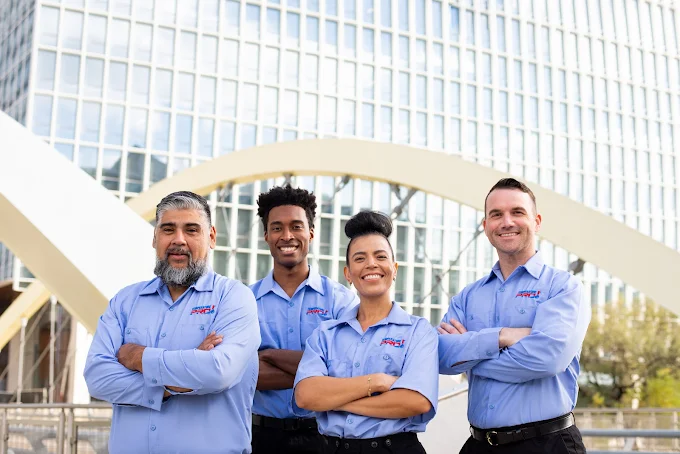
If your Dallas, TX building is suddenly less comfortable, noisier, or harder to control, your HVAC system may be telling you it needs maintenance before the problem grows. This guide helps you spot the warning signs, understand what typically causes them, and decide what to check next for safer, more reliable heating and cooling.
A property manager in Dallas, TX might notice that tenants complain about hot and cold spots, even though the thermostat schedule hasn’t changed. The system may run longer than usual, take extra time to respond, or start making new sounds during certain hours.
Those symptoms can be more than “normal wear.” In commercial buildings, small HVAC issues can compound quickly because the equipment runs more hours, serves more occupants, and supports daily operations. Below, you will learn how to recognize maintenance needs early and what to do next to protect comfort and system performance.
- Quick answer
- What to check first
- Main things customers should understand
- Why this matters in Dallas, TX
- Common mistakes to avoid
- Customer checklist
- Frequently asked questions
Quick Answer
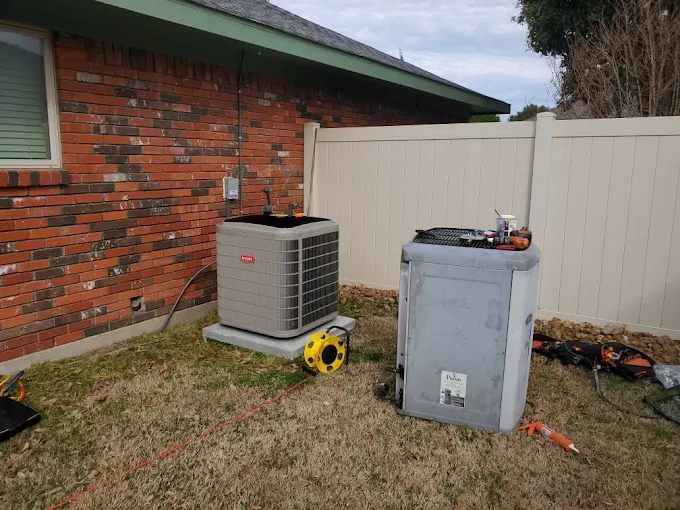
If your commercial HVAC system is struggling to maintain set temperatures, cycling too frequently, blowing weak airflow, or producing new noises or odors, it likely needs maintenance. Start by checking filters, thermostat schedules, and visible signs of moisture or airflow problems. Then schedule a professional inspection so the system can be tested under real operating conditions. TemperaturePro can help you sort out whether the issue is routine maintenance, a repair need, or a deeper system concern. For residential furnace and AC issues, you can also review commercial HVAC service guidance.
What to Check First
Before you call for service, take a short walk-through and verify the basics that commonly trigger comfort complaints. These checks do not replace HVAC maintenance, but they can help you describe the issue clearly and avoid unnecessary downtime.
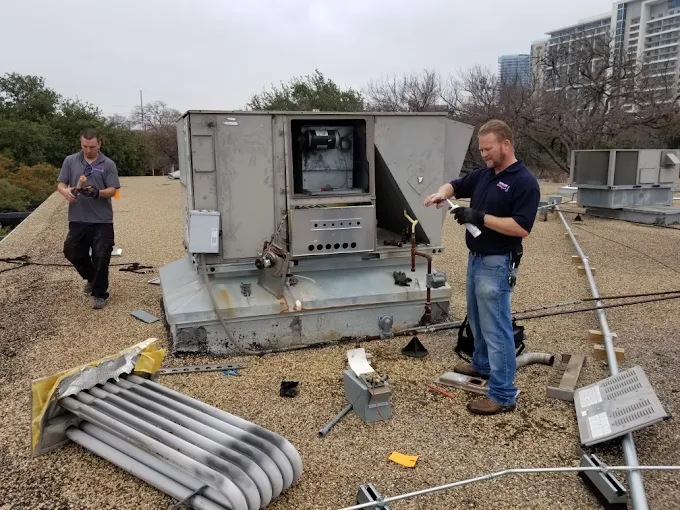
Professional observation: In commercial Dallas, TX systems, comfort complaints often start as airflow or control problems. If the equipment runs but spaces are still uncomfortable, the next step is usually maintenance checks on airflow paths, filters, and system operation.
Airflow and registers
Are any supply or return vents blocked by furniture, signage, or storage? Do some areas feel consistently weaker than others?
Thermostat schedules
Confirm the schedule matches occupancy. A changed schedule can look like an HVAC failure, especially in multi-tenant spaces.
Filters and airflow restrictions
Check whether filters are loaded with dust. Restricted airflow can cause poor heating performance, weak cooling, and system overheating.
Main Things Customers Should Understand
Commercial HVAC systems can show maintenance needs in different ways. The key is to connect “what you feel” (comfort and airflow) with “what you see” (operation and condition) so the right service can be scheduled.
1) The system runs longer than it used to
When heating or cooling cycles extend, the system may be working harder due to airflow restrictions, dirty components, or control issues. Longer run times can also increase wear on parts that normally see a predictable workload.
2) Weak airflow or uneven temperatures
Hot and cold spots are common in larger buildings, but maintenance problems can make them worse. Dirty filters, blocked ductwork, failing blower components, or imbalanced airflow can all contribute.
3) Strange noises during operation
New rattling, grinding, squealing, or repeated clicking can indicate components that need inspection. In commercial setups, even minor noise changes may point to loose parts, worn bearings, or control sequence problems.
4) Odors that show up when the system starts
Burning smells, musty odors, or chemical-like scents are reasons to stop and investigate. These can involve dirty burners, clogged components, or moisture-related issues that should not be ignored.
5) Short cycling (frequent on-off operation)
If the system starts and stops too quickly, it may be struggling to reach temperature targets. Short cycling can be caused by airflow problems, control or sensor issues, or other maintenance needs that should be checked.
6) Visible moisture or water around equipment
Condensation is normal, but water where it should not be is not. Leaks, drainage issues, or refrigerant-related concerns require prompt attention to prevent damage and maintain safe operation.
Maintenance vs. repair: a practical way to decide
If you are unsure whether you need routine maintenance or a targeted repair, use the decision table below. It is not a substitute for an inspection, but it can help you communicate the situation when you call.
| What you notice | More consistent with maintenance | More consistent with repair |
|---|---|---|
| Comfort issues that appear gradually | Dirty filters, clogged airflow paths, buildup on components | Severe airflow failure, repeated component trips, persistent control problems |
| System runs longer, but eventually reaches setpoints | Seasonal service needs, airflow adjustments, cleaning | Underlying equipment malfunction affecting performance over time |
| New noises or unusual behavior | Minor issues found during tune-up and cleaning | Worn parts, electrical/control faults, mechanical failures |
| Moisture where it shouldn’t be | Drain maintenance and inspection needs | Active leak sources or component failures |
Why This Matters in Dallas, TX
In Dallas, TX, commercial HVAC systems often face long cooling seasons and frequent temperature swings. When buildings are occupied during extended hours, small maintenance gaps can show up as comfort complaints quickly. Proper HVAC maintenance helps ensure air distribution stays consistent, controls respond correctly, and heating and cooling equipment can handle the workload expected across the year.
Local recommendation: If you manage a commercial property in Dallas or Richardson, TX, consider scheduling HVAC inspections before peak seasonal demand so you avoid last-minute equipment stress. TemperaturePro focuses on commercial HVAC needs, including system checkups that support steady comfort.
Get a Commercial HVAC Maintenance Check
When your system shows warning signs, the fastest path to clarity is a professional inspection. TemperaturePro can help you identify what is driving the comfort problem and what maintenance or service is needed next.
Contact TemperatureProCommon Mistakes to Avoid
Even careful property teams can fall into patterns that delay maintenance. Avoiding these mistakes helps reduce the chance of comfort disruptions and helps your HVAC system operate more predictably.
- Ignoring airflow complaints until “the season passes.” Airflow issues often worsen as dust and restrictions build up.
- Changing thermostat settings to compensate instead of addressing equipment performance. Schedules and setpoints should match occupancy, but comfort problems usually need HVAC attention.
- Waiting for a complete breakdown before inspecting components. Many maintenance needs show up first as small behavior changes.
- Skipping filter and airflow verification during busy months. Filters and airflow paths are basic checks that can prevent bigger problems.
- Assuming all noise is “normal”. New or worsening sounds can be a sign that maintenance or repair is needed.
Customer Checklist
Use this quick checklist to prepare for a commercial HVAC maintenance visit. It helps your team gather the right details and makes it easier for the technician to diagnose what is happening on-site.
- List the dates and times comfort issues started (for example, mornings vs. afternoons).
- Note which areas are affected most, and whether the problem is heating-related, cooling-related, or both.
- Record any new noises, odors, or visible moisture, including where you see or smell them.
- Confirm thermostat settings and schedules match building occupancy.
- Check and replace filters if they are heavily loaded, then note the filter type and last change date.
- Inspect vents for blockage from storage, signage, or furniture.
- Watch for short cycling, long run times, or repeated start/stop behavior.
Representative scenario (what this looks like in real life)
A multi-tenant office in Dallas, TX reports that the lobby is consistently too warm during the morning schedule. The system seems to run constantly, and occupants notice weak airflow at the main supply vents. After the property team confirms the thermostat schedule has not changed and filters are not newly installed, the next step is a professional inspection to check airflow paths, system operation, and the components involved in moving air through the building. That maintenance-focused approach typically finds the root cause rather than relying on thermostat adjustments alone.
Frequently Asked Questions
How can I tell if my commercial HVAC needs maintenance or repair?
Look for patterns. Maintenance needs often show up as gradual comfort decline, longer run times, and issues tied to airflow or buildup. Repair is more likely when you notice new noises, persistent odors, water where it should not be, or repeated abnormal operation such as short cycling. A technician can verify the cause by inspecting airflow, controls, and system performance under operating conditions, then recommend the most appropriate next step.
What are the first signs of a furnace issue in a commercial building?
For heating performance, early signs can include the system taking longer to warm spaces, weak airflow during heating cycles, or inconsistent temperatures in occupied areas. If the furnace starts but does not heat effectively, or if you notice unusual smells when it ignites, that is a good time to request an inspection. If you also manage residential comfort at a separate location, you may find helpful furnace maintenance guidance through TemperaturePro furnace maintenance.
Can dirty filters cause comfort problems in commercial AC?
Yes. Dirty or overloaded filters can restrict airflow, which can lead to weak cooling, uneven temperatures, and longer run times. Over time, airflow restrictions can also increase system stress and reduce performance. As a first step, check whether filters are heavily dust-loaded and whether vents are blocked. If comfort issues continue after basic checks, a professional inspection can confirm whether additional maintenance is needed on the cooling system.
What should a property manager document before scheduling HVAC service?
Document when the issue happens, which zones or rooms are affected, and whether the problem is heating, cooling, or both. Note any new noises, odors, or visible moisture, including where it appears. Confirm thermostat schedules and setpoints match occupancy. This information helps the technician focus the inspection on the right operating conditions and reduces time spent trying to reproduce the complaint.
How often should commercial HVAC maintenance be scheduled?
Many commercial buildings benefit from routine maintenance that aligns with seasonal demand. The right schedule depends on equipment type, runtime, and how the building is used. If you have recurring comfort complaints or the system is older, more frequent attention may be warranted. TemperaturePro can review your current situation and recommend an appropriate maintenance approach based on what is happening during operation.
Schedule an HVAC Inspection in Dallas, TX
If you are seeing comfort problems, airflow issues, or unusual system behavior, don’t wait for the next breakdown to confirm what is happening. TemperaturePro can help you get the maintenance and service your commercial HVAC needs.
Call (469) 275-1624
About TemperaturePro
TemperaturePro is a local HVAC company serving Dallas, TX and nearby areas like Richardson, TX. They provide commercial HVAC maintenance and service, including air conditioning inspections, heating service support, and system-focused checkups that help protect comfort and reliability. If your building’s heating or cooling performance is slipping, TemperaturePro can help you identify what needs attention next.
If you want to explore related service options, consider reviewing AC inspections, AC maintenance, or heat pump options.