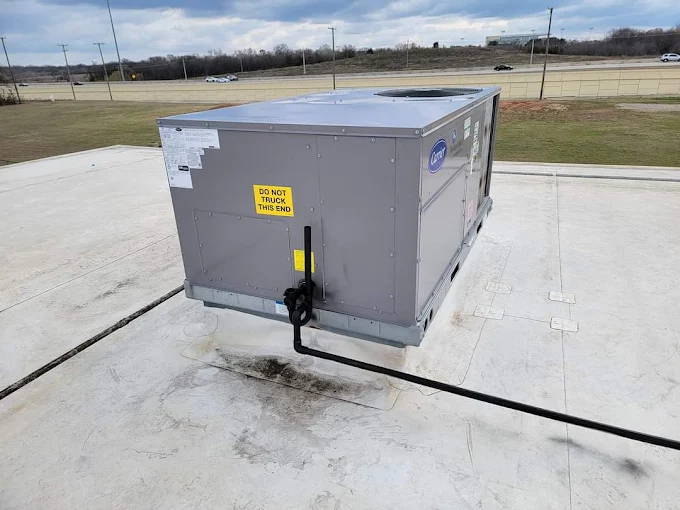
AC Repair Signs Your System Needs Immediate Service
If your AC starts acting “off” in Dallas, TX, it is usually not the time to wait it out. This guide walks you through the most common warning signs that your air conditioner needs immediate repair, what to check right away, and how to protect your home while you schedule HVAC service.
Last week the AC cooled fine, and then it suddenly stopped feeling strong. This morning, the air coming out of the vents was lukewarm, and the system made a different sound than it normally does. With Texas heat building quickly, it is easy to wonder whether you can keep using it or if something is seriously wrong.
Temperature swings, humidity, and older ductwork can all push HVAC systems into trouble. Below, you will learn how to spot emergency-level warning signs, what checks are safe for you to do at home, and when it is best to call for AC repair before the issue gets bigger.
- Quick answer
- What to check first
- Main things customers should understand
- Why this matters in Dallas, TX
- Common mistakes to avoid
- Customer checklist
- Frequently asked questions
Quick Answer
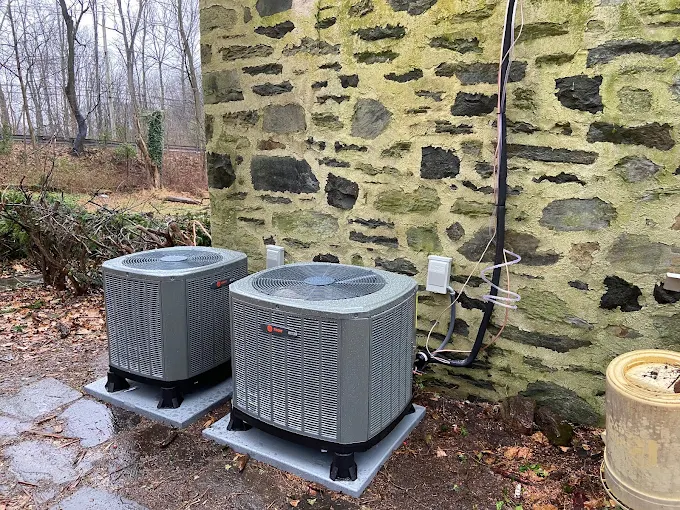
If your AC is blowing warm air, short-cycling, producing strange odors, or showing signs of refrigerant issues (like ice buildup on the indoor coil or persistent hissing), do not keep running the system. Start with safe checks like the thermostat settings and the air filter, then shut the unit down if symptoms persist. The fastest way to prevent further damage is to schedule professional HVAC repair. TemperaturePro can diagnose the real cause and recommend the right fix, whether it is AC repair, AC tune-ups, or AC system replacement planning.
What to Check First
Before you call, there are a few quick checks that help narrow the problem without risking damage. These steps are also helpful for the technician, because they tell you what has already been ruled out.
Professional observation: Many “emergency” AC problems turn out to be something simpler like a thermostat setting, clogged filter, or airflow restriction. That said, certain symptoms are still stop-running red flags. Your quick checks should end the moment the system is clearly not behaving normally.
- Confirm the thermostat is set to Cool and the temperature is set below the current room temperature.
- Check the air filter. If it is heavily clogged, replace it and see whether airflow improves (especially if you also notice weak cooling).
- Look at the indoor air handler and vents. If airflow is very weak, the problem may involve airflow, ductwork, or a failing component.
- Check for visible ice on the indoor unit or refrigerant lines. If you see ice, turn the system off and do not try to “run it through.”
- Notice any unusual sounds or smells. Burning odors, repeated loud banging, or chemical smells should be treated as an urgent warning sign.
Main Things Customers Should Understand
When an AC problem becomes urgent, it is usually because comfort is only one symptom. Under the surface, the system may be protecting itself from damage, running with restricted airflow, or operating with an imbalance that can quickly lead to more expensive repairs.
| What you notice | Why it can be urgent | What to do next |
|---|---|---|
| AC Blowing Warm Air | It can mean the system is not moving heat out properly, or airflow and refrigerant balance are off. | Check thermostat and filter, then schedule diagnosis if it continues. |
| AC Not Cooling (runs but temperature does not drop) | The system may be short-cycling, struggling with airflow, or experiencing a component failure. | Do not keep resetting the thermostat repeatedly. Book AC repair. |
| AC Refrigerant Leak Repair signs (hissing, persistent icing) | Low refrigerant can reduce cooling capacity and may stress other parts. | Turn the system off and call for professional leak diagnosis. |
| Ice on the indoor coil | Ice often points to airflow restriction or improper operating conditions. | Shut down the AC and schedule service before restarting. |
| Strange odors (burning, musty, or chemical-like) | Odors can indicate electrical issues, overheating, or contamination that should be inspected. | Stop operation and contact TemperaturePro for HVAC repair. |
| Repeated short-cycling (on/off rapidly) | Frequent cycling can wear components and may point to control or airflow problems. | Avoid repeated restarts and schedule an AC system checkup. |
Airflow and system checkups
If the AC runs but you feel little cooling, start by understanding airflow. A clogged filter or restricted ducts can mimic refrigerant problems. For related guidance, review AC repair to understand how technicians diagnose cooling performance.
Cooling inspections
When symptoms show up suddenly, an AC inspection helps confirm what is failing and what is simply worn. Inspections also help prevent unnecessary part replacements.
Maintenance that reduces breakdowns
If your system is older or you skipped seasonal service, a planned approach can help. Consider AC maintenance as a way to reduce the odds of urgent failures.
Why This Matters in Dallas, TX
In Dallas, TX, AC systems often face long run-times during the hottest weeks, plus humidity that can stress components and reveal weaknesses in airflow. When the system starts to struggle, it may not “fail” right away. Instead, it can run inefficiently, build up ice, or trigger protective shutoffs that leave you uncomfortable while the underlying issue worsens. TemperaturePro serves Dallas, TX and nearby Richardson, TX, where we see how quickly airflow problems and refrigerant-related issues can show up during peak cooling conditions.
Professional observation: A single symptom can be misleading. For example, weak cooling might feel like a “small” issue, but it can be the same root cause that leads to freezing coils or repeated short-cycling if ignored.
Common Mistakes to Avoid
Homeowners often try well-intentioned fixes that delay diagnosis. The goal is to avoid actions that can worsen the problem or create safety risks. Here are the most common mistakes we see when AC issues escalate.
- Continuing to run the AC after ice buildup appears.
- Repeatedly resetting the thermostat every few minutes to “force it to work.”
- Ignoring burning or unusual odors and assuming it is just dust.
- Changing filters without checking airflow if cooling is still weak or inconsistent.
- Delaying service when the system is short-cycling or failing to cool.
Get clear answers before your AC issue gets worse
If you are seeing warm air, ice, strange noises, or repeated on-and-off cycling, TemperaturePro can help pinpoint the cause and recommend the right next step for your home.
Call TemperaturePro at (469) 275-1624Customer Checklist
Use this checklist to prepare for a faster diagnosis. Even if you already tried a few steps, having this info ready helps your technician focus on the most likely causes.
- When the problem started (today, last night, after a storm, after changing a filter, etc.).
- Whether the AC is blowing warm air, not cooling at all, or cooling inconsistently.
- Any visible signs: ice on the indoor coil, moisture around vents, or unusual frost patterns.
- Any sounds: rattling, grinding, high-pitched squeals, or frequent cycling.
- Any smells: musty, burning, or chemical-like odors.
- Thermostat behavior: does it show any error codes or does the fan run without cooling?
Representative Scenario
A homeowner in Dallas, TX notices the AC will start normally, then cool for a short time, and quickly stop feeling cold. A few hours later, they find the indoor unit has frost near the coil. They turn the system off and check the thermostat and filter, but the symptoms return when they restart. Instead of trying to troubleshoot further, they schedule service. The technician performs an AC system checkup to confirm airflow and operating conditions, then addresses the underlying cause so the system can cool reliably again.
Frequently Asked Questions
Is “warm air” from the vents always a refrigerant problem?
No. Warm air can happen for several reasons, including thermostat misconfiguration, clogged filters that reduce airflow, failing components, or refrigerant-related issues. That is why it matters to observe the full pattern: does the AC run continuously, does it short-cycle, are there ice signs, and does airflow feel weak? A professional diagnosis helps confirm which part of the system is responsible so you do not waste time replacing the wrong items.
What should I do if I see ice on my AC?
Shut the AC off and do not keep restarting it. Ice on the indoor coil commonly points to an airflow or operating problem. Running the system while frozen can increase stress and create a harder-to-fix situation. Once the unit is off, check the basics like the filter and airflow, then schedule AC repair. TemperaturePro can inspect cooling performance and identify whether the issue is related to airflow restrictions, system operation, or refrigerant balance.
How do I know when AC repair is urgent versus “schedule later”?
Urgency increases when symptoms include warm air with poor cooling, repeated short-cycling, visible ice, persistent hissing, or burning and unusual odors. Those signs can indicate problems that affect safe operation or component health. If the system is protecting itself by shutting down repeatedly, that is also a strong signal to get it checked. When in doubt, stop running it and call TemperaturePro for an inspection.
Can AC tune-ups prevent these problems?
Regular maintenance helps reduce the odds of breakdowns by keeping components clean and verifying operating conditions. It does not guarantee zero failures, especially in a climate with long hot runs like Dallas, TX. If your AC is already showing warning signs, a tune-up alone may not solve the cause. In that situation, an inspection and AC repair are the more direct path, followed by maintenance planning to help prevent repeat issues.
Should I consider AC replacement if the system keeps failing?
Replacement planning can make sense when a system repeatedly requires repairs or struggles to cool consistently. The best approach is to let a technician evaluate the current condition, the causes of recent failures, and how the system is performing now. TemperaturePro can guide you through options, including repair-focused routes and discussions around AC replacement when it is the practical long-term direction.
Need HVAC help in Dallas, TX or Richardson, TX?
If your AC is showing urgent warning signs, TemperaturePro can help you get back to reliable comfort with a clear diagnosis and the right repair path.
Request AC Repair from TemperatureProOr call: (469) 275-1624
About TemperaturePro
TemperaturePro provides HVAC heating and cooling services for homeowners and businesses in Dallas, TX and the surrounding area, including Richardson, TX. We focus on diagnosing the root cause of comfort problems, addressing safety and performance concerns, and helping customers make practical decisions about AC repair, AC inspections, and long-term system care.