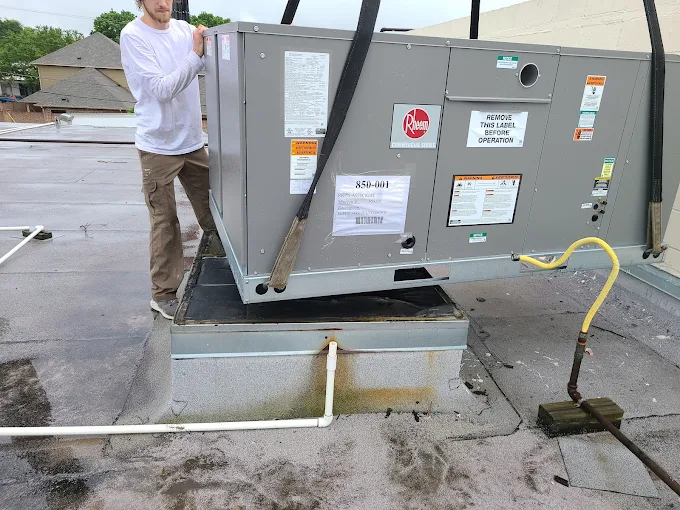
Why Commercial HVAC Maintenance Prevents Costly Breakdowns
If your Dallas-area building depends on steady heating and cooling, small issues rarely stay small. A planned maintenance schedule helps keep comfort consistent, reduces unexpected downtime, and catches wear early before it becomes a repair emergency.
Last month, a property manager in Dallas told me the rooftop unit felt “fine” until it didn’t. The first signs were subtle: uneven temperatures across the office, a little more noise during start-up, and a system that seemed to run longer than usual. Then one morning, the HVAC failed to deliver the comfort tenants expected.
That pattern is common in commercial settings. This guide will help you understand what commercial HVAC maintenance typically checks, what warning signs to watch for, and how a proactive plan can reduce the chance of costly breakdowns.
- Quick answer
- What to check first
- Main things customers should understand
- Why this matters in Dallas, TX
- Common mistakes to avoid
- Customer checklist
- Frequently asked questions
Quick Answer
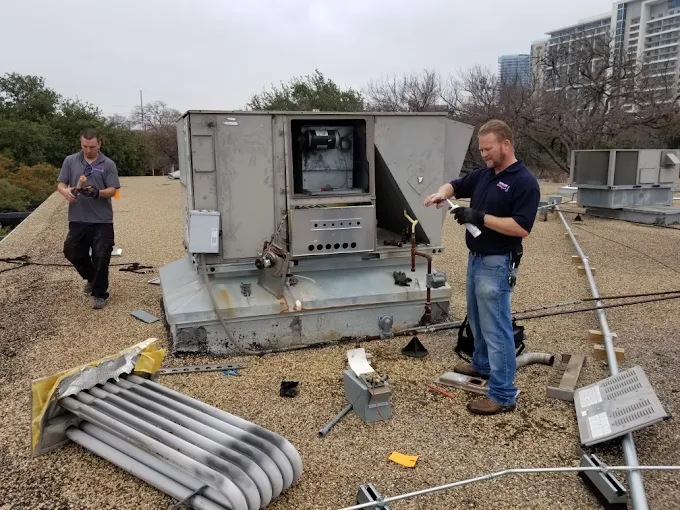
Commercial HVAC maintenance prevents costly breakdowns by finding problems while they are still predictable: dirty components, worn parts, and system settings that drift over time. During maintenance, technicians inspect key components, check airflow and operation, and verify safe performance so the system can handle heavy seasonal demand without failing when occupancy is highest. For best results in Dallas, schedule maintenance before peak heating and cooling periods and keep a documented service history. If you suspect issues now, contact TemperaturePro for a focused HVAC inspection and service plan.
What to Check First
If you are trying to decide whether maintenance is the right next step, start with the symptoms that usually show up before a shutdown: inconsistent temperatures, unusual sounds, rising energy use, poor airflow, or repeated cycling. Then check whether filters are being changed on schedule and whether vents feel blocked by dust, storage, or furnishings.
For heating-side concerns, you can also verify whether your system is running correctly and safely. If you are dealing with furnace operation issues, a targeted furnace tune-up helps address common performance problems that can lead to bigger failures.
Professional observation: In commercial buildings, comfort complaints often begin with airflow and control issues. When those are ignored, they can overwork parts that were never meant to run outside their normal range.
Main Things Customers Should Understand
Commercial HVAC systems are designed to run reliably, but they operate in real-world conditions: constant occupancy, fluctuating thermostat demand, and frequent use of doors, loading docks, or airflow-heavy spaces. Maintenance reduces breakdown risk by addressing the wear-and-tear items that accumulate between seasons.
What maintenance typically catches early
- Airflow restrictions: Dust buildup and clogged filters can strain burners, move less heat, and reduce cooling effectiveness.
- Electrical and control drift: Loose connections, failing contactors, and control problems can cause intermittent operation.
- Refrigerant system issues: When cooling performance slips, maintenance checks help identify conditions that can become repairs.
- Safety concerns: Gas and combustion systems require careful inspection so operation stays safe and stable.
One firsthand-style detail I often see: systems that “almost” work can still be running inefficiently. A unit might start, cool for a short period, and then struggle. That behavior is frequently tied to airflow, sensor readings, or component wear that maintenance can uncover before it escalates into a no-heat or no-cool situation.
Maintenance for heating and cooling, not just one side
In many Dallas-area commercial properties, heating and cooling systems serve different building zones and schedules. Even if one system is working, the other may be building up problems. A maintenance approach should include both heating and cooling components, along with the controls that coordinate them.
| Area checked | With preventive maintenance | When maintenance is skipped |
|---|---|---|
| Airflow and cleanliness | Dust and restrictions are addressed before they reduce comfort and increase runtime. | Airflow problems build gradually until the system can’t maintain temperature. |
| Operational performance | Technicians verify safe, stable operation and correct cycling behavior. | Minor performance issues can turn into hard failures during peak demand. |
| Electrical connections and controls | Wear and drift are identified early, reducing intermittent shutdowns. | Loose or failing parts may fail under load, creating unexpected downtime. |
| Cooling system checks | Cooling system operation is reviewed to prevent comfort loss and escalation. | Cooling complaints can progress from “warm rooms” to a system that won’t cool. |
Why This Matters in Dallas, TX
Dallas weather swings can be tough on commercial HVAC. When seasons change quickly, systems have to shift from heating demand to cooling demand and back again, sometimes within weeks. That is exactly when maintenance matters most because it helps your equipment transition smoothly instead of compensating for dirty or worn components under heavy load.
For cooling-focused concerns, an AC inspection can help identify what’s driving comfort issues before they become emergency-level repairs. And if your building uses multiple units or rooftop equipment, a maintenance plan can keep performance consistent across zones.
Less disruption during busy hours
Preventive service helps reduce the chance that comfort setbacks happen when occupancy is highest.
More predictable operation
With regular checks, control behavior and component performance stay closer to normal.
Clearer service history
Documented maintenance makes troubleshooting faster and helps plan future repairs or commercial HVAC upgrades.
A practical maintenance next step
Maintenance works best when it is scheduled around how your building actually operates. If your property has fixed business hours, flexible tenant schedules, or zones with different comfort demands, a technician can tailor priorities during inspection.
Plan commercial HVAC maintenance for Dallas conditions
Get a maintenance-focused conversation with TemperaturePro. We will help you understand what to address now and what to schedule next.
Contact TemperatureProCommon Mistakes to Avoid
Many breakdowns start with understandable habits. The issue is that commercial systems do not “pause” wear and tear when you postpone service. Here are common mistakes that increase the chance of costly HVAC problems.
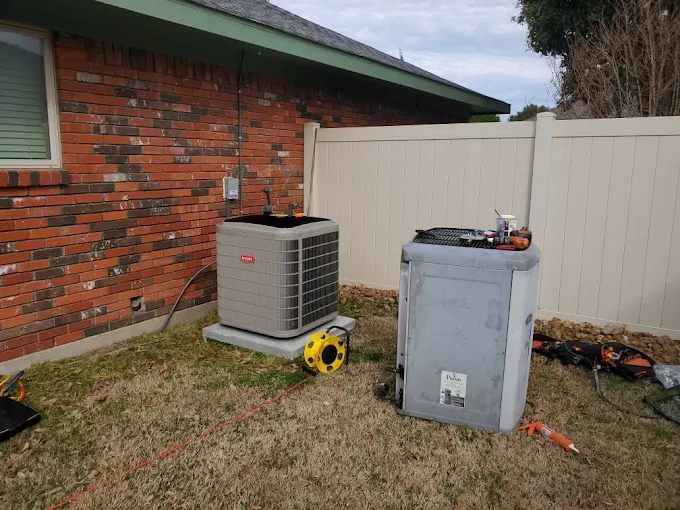
- Waiting for a total failure before inspecting performance, especially after comfort complaints start.
- Skipping filter management or changing filters inconsistently across zones.
- Ignoring recurring cycling (short runs and restarts), which can indicate control or airflow problems.
- Assuming “it runs” means “it’s fine” when the system is actually operating inefficiently.
- Only addressing one side (heating or cooling) when the other system is also aging.
If you are dealing with furnace performance issues in a commercial space, you may also need furnace maintenance service to keep the heating system operating safely and reliably through the season.
Customer Checklist
Use this checklist to prepare for a commercial HVAC maintenance visit. Having these details ready can make the inspection more efficient and help your technician focus on the right areas.
- List the symptoms you have noticed (temperature swings, noise, airflow issues, or cycling).
- Note when issues happen (morning start-up, after lunch, after doors open, or during peak occupancy).
- Confirm filter schedule and whether any filters are frequently bypassed or difficult to access.
- Check for blocked airflow in vents, grilles, and returns near occupied areas.
- Gather thermostat information including setpoints and any zone programming changes.
- Share past service history you have on hand, including prior repairs and maintenance dates.
Representative scenario: what proactive maintenance looks like
Imagine a small office in Richardson with two comfort zones and a rooftop system that runs most weekdays. The manager schedules maintenance before the seasonal shift. During the service visit, the technician checks airflow performance, inspects key operating components, and verifies stable operation. The building still experiences typical temperature changes from Dallas weather, but the HVAC maintains steadier comfort instead of relying on emergency repairs after complaints escalate.
Frequently Asked Questions
How does commercial HVAC maintenance help prevent emergency repairs?
Maintenance helps reduce emergency repairs by catching problems before they fail completely. Technicians inspect components that wear out over time, review safe operation, and address issues that can reduce heating or cooling performance. When airflow, controls, and system operation are checked regularly, the HVAC is less likely to struggle under peak demand and more likely to respond predictably when the thermostat calls for heating or cooling.
What should we prioritize first if our building has uneven temperatures?
Uneven temperatures usually point to airflow or control performance issues. Start by confirming filters are clean and returns and vents are not blocked. Then schedule an HVAC inspection so a technician can evaluate how the system is operating, how it is cycling, and whether the equipment is delivering the expected airflow. Addressing airflow problems early can prevent the system from overworking and turning a comfort complaint into a larger repair.
Do we need maintenance for both heating and cooling systems?
Yes, in most commercial buildings it is wise to maintain both sides because equipment ages on a similar timeline and seasonal demand changes quickly. Even if cooling is the current problem, the heating components may be accumulating wear. A balanced maintenance approach helps keep the whole system ready for the next seasonal shift, not just the current complaint.
What are common signs that maintenance is overdue?
Common signs include recurring temperature complaints, unusual sounds during start-up, increased runtime, and noticeable cycling that seems more frequent than normal. If the system struggles to reach setpoints or rooms consistently feel too warm or too cold, it is a good time to schedule service. Waiting until the HVAC fully fails often means the repair will be more disruptive.
Can maintenance help with furnace or heating performance issues?
Yes. Heating-side maintenance can help improve reliable operation and reduce the chance that minor issues escalate. If you are seeing problems such as inadequate heat or performance that seems inconsistent, a furnace-focused service visit can identify what is affecting safe operation and output. For many customers, planning furnace inspections and service around seasonal demand is the practical way to prevent breakdowns.
Ready to reduce breakdown risk in your Dallas commercial building?
TemperaturePro can help you set priorities for HVAC maintenance and service so your equipment runs more reliably through the season.
Call (469) 275-1624
TemperaturePro (Dallas HVAC)
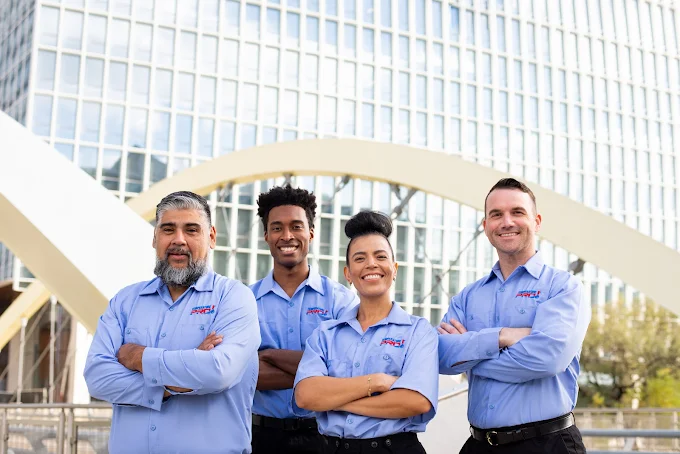
TemperaturePro provides HVAC heating and cooling services for commercial and residential customers in Dallas, TX, including nearby Richardson, TX. From AC maintenance and inspections to furnace service and commercial HVAC support, we help property owners and managers keep comfort dependable with practical, maintenance-focused care.