Furnace replacement near me for safe home comfort
If your furnace is struggling to heat, you are not just chasing comfort. You want safe, reliable performance for your home in Dallas, TX. This guide helps you identify when replacement makes sense, what to verify before you commit, and how to choose the right furnace service for your situation.
Last winter, a lot of Dallas homeowners waited until the thermostat started acting up. The furnace would run for a bit, then shut down. Or it might blow air that feels cool, even though the system is “on.”
When heating problems show up late in the season, it is easy to assume the unit is simply “old” and should be replaced. But furnace safety and performance depend on more than age. This guide walks you through what to check first, what replacement typically involves, and how to avoid decisions that leave you with the same problem after installation.
- Quick answer
- What to check first
- Main things customers should understand
- Why this matters in Dallas, TX
- Common mistakes to avoid
- Customer checklist
- Frequently asked questions
Quick Answer
If you are searching for “furnace replacement near me,” start by confirming the cause of the heating issue. A qualified HVAC technician should check furnace operation, airflow, ignition and safety controls, and whether the problem is repairable. Replacement is often the right choice when the furnace cannot reliably heat or when safety concerns keep repeating. Your best next step is to schedule furnace inspections and troubleshooting so you can compare your current system’s condition with a proper, code-appropriate replacement plan for your home in Dallas, TX.
What to Check First
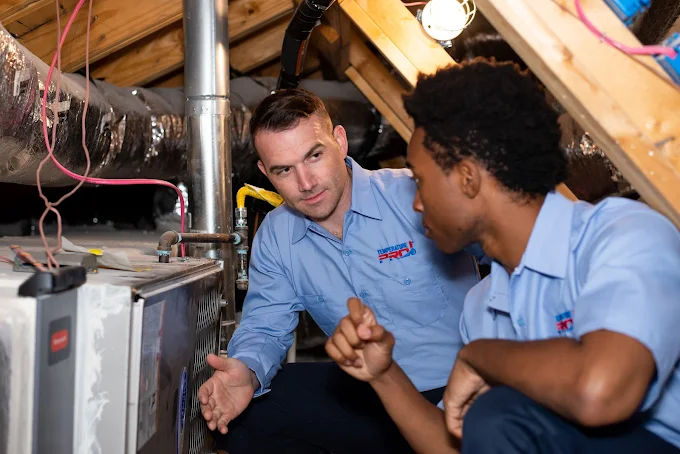
Before you assume replacement, focus on the symptoms and the basics that affect furnace performance. Is the thermostat calling for heat, but the furnace will not start? Does it start and then shut down? Is it blowing warm air intermittently or blowing cold air continuously? These patterns help narrow down whether the issue is airflow, ignition, or a safety control that is interrupting operation.
Professional observation: When a furnace won’t heat consistently, it is often not “one thing.” The fix can involve airflow, burner/ignition behavior, or a safety interruption that prevents unsafe operation. A proper furnace inspection helps you avoid replacing a system when the real cause is something else.
Main Things Customers Should Understand
Furnace replacement is not only about swapping a unit. A safe install depends on matching the system to your home and verifying the heating system as a whole. In practice, that means evaluating the furnace’s role in your ductwork setup, confirming ventilation and combustion-related components are appropriate, and ensuring the new unit is configured to deliver the comfort you expect.
1) Safety checks should lead the decision
When homeowners think about replacement, they usually focus on comfort and reliability. For safety, the technician should verify that the furnace is operating within safe parameters and that the system is not repeatedly shutting down due to a safety interruption. If your furnace has been “cycling” or failing to stay running, that is a sign to inspect before you commit to replacement.
2) Airflow and duct condition affect how the furnace performs
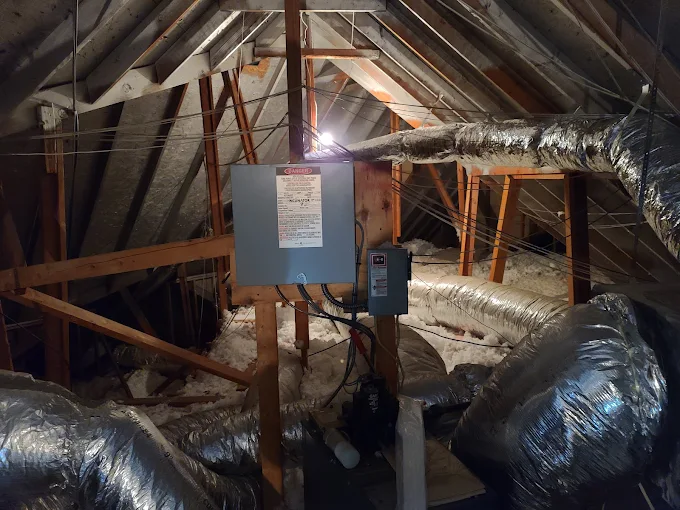
Even a correctly sized furnace can underperform if airflow is restricted. If you feel weak heating at registers, notice uneven temperatures, or see that the system runs but does not deliver, ductwork and filter conditions can play a major role. This is one reason furnace troubleshooting and furnace service can be more useful than guessing.
3) Replacement planning should consider your heating needs and goals
Some Dallas homes benefit from a furnace upgrade when the current unit is not heating reliably or when recurring maintenance issues keep showing up. Others may need fewer changes if the problem can be corrected safely. Your technician should explain what is driving the recommendation, and what “good” looks like after the work is complete.
Furnace service that starts with diagnosis
A thorough furnace inspection can clarify whether the issue is repairable or if furnace replacement is the most practical path.
Keep seasonal heating smoother
Routine furnace tune-ups support safe operation and help the system run more predictably through colder stretches.
Maintenance helps reduce repeat issues
Annual furnace maintenance can catch small problems before they become no-heat calls.
Why This Matters in Dallas, TX
In Dallas, TX, heating comfort can swing quickly as seasons change. That makes intermittent furnace problems especially frustrating. A unit that struggles in cooler mornings may still seem fine during mild stretches, which can delay repair and lead to more shutdowns. For homeowners in Dallas and nearby areas like Richardson, TX, the goal is to get to stable heating performance early, so comfort is not dependent on “when the weather is cooperative.”
| Situation you notice | What it may point to | What to ask your technician |
|---|---|---|
| Furnace won’t heat or won’t start | Possible ignition or safety interruption issues | “What safety controls or ignition components are involved, and can they be verified safely?” |
| Furnace runs briefly then shuts down | Repeat failure that prevents safe operation | “What is causing the shutdown, and does it require repair or system replacement?” |
| Furnace blows cold or lukewarm air | Airflow restriction, setup mismatch, or heating delivery problem | “Is airflow correct across the duct system, and is the furnace configured properly for your home?” |
| Frequent maintenance calls for similar symptoms | Wear and increasing likelihood of recurring failures | “Based on inspection findings, does replacement provide a more reliable long-term outcome?” |
Get clarity on furnace replacement for your home
If you are weighing furnace replacement in Dallas, TX, TemperaturePro can help you understand what is causing the heating issue and what the next step should be.
Discuss furnace repair optionsCommon Mistakes to Avoid
Replacing a furnace without a clear diagnosis can lead to frustration. The most common mistakes come from skipping safety checks, underestimating airflow and duct considerations, or choosing a replacement plan based on assumptions rather than inspection findings.
Common mistake #1: Choosing replacement because the furnace is “old,” without confirming why it is not heating safely and consistently.
Common mistake #2: Ignoring airflow symptoms, like weak register heat, and focusing only on the furnace cabinet.
Common mistake #3: Not asking how the new system will be installed and verified for safe operation in your specific home setup.
Customer Checklist
Use this checklist before you schedule furnace replacement or replacement planning. It helps you ask the right questions, gather useful details, and move forward with confidence.
- Write down what the furnace does (won’t start, cycles off, blows cool air, uneven heating).
- Confirm the thermostat is calling for heat and that the system is receiving the signal.
- Ask for a furnace inspection that includes furnace safety inspection and performance checks.
- Discuss airflow and heating delivery across your home, not just near the furnace.
- Request a clear explanation of whether repair or furnace replacement is the safer, more practical next step.
- Review what furnace installation will include, and how the technician will verify safe operation after install.
Representative Scenario
A Dallas homeowner reports that their furnace starts, runs for a short time, then shuts down. Over the next few days, the behavior repeats. Instead of immediately replacing the unit, they schedule furnace inspections and troubleshooting to identify why the furnace is stopping. The technician finds that the issue is tied to safety operation and heating delivery behavior. After reviewing the findings, replacement is recommended because the system cannot provide consistent, safe heating. The installation plan focuses on getting stable airflow and verifying safe operation after the new furnace is in place.
Ready for a safe, well-planned furnace installation?
TemperaturePro supports Dallas homeowners with furnace installation and replacement planning that centers on safe performance and dependable comfort.
Contact TemperatureProFrequently Asked Questions
How do I know if I need furnace replacement or just furnace repair?
Replacement usually becomes the best option when the furnace cannot consistently heat or when safety-related shutdowns keep repeating. A technician should inspect the system to identify the cause of the heating problem, check safety operation, and evaluate how the furnace delivers heat through the home. If the inspection indicates the underlying issue can be corrected safely and reliably, repair may be the practical next step. If the furnace cannot provide stable safe heating, furnace replacement can be recommended as a longer-term solution.
What should I expect during a furnace inspection before replacement?
A furnace inspection typically starts with verifying how the system behaves when it calls for heat and then checking key components involved in safe operation and heating delivery. The technician may also consider airflow and how heat reaches different areas of the home. The goal is to move from “symptoms” to clear findings, so you can understand what is driving the recommendation. If replacement is recommended, the inspection findings should be used to support the installation plan for your specific setup in Dallas, TX.
Can a furnace replacement solve uneven heating throughout my home?
It can, but it depends on the cause of the uneven heating. If the furnace is operating safely but airflow is restricted or the system is not delivering heat effectively through the ductwork, a replacement alone may not fix the root issue. That is why technicians should consider heating delivery and airflow as part of the evaluation. A proper furnace inspection and installation verification help ensure the new unit performs as intended and supports consistent comfort across the home.
What is a furnace safety inspection, and why does it matter?
A furnace safety inspection focuses on whether the system is operating safely and not repeatedly interrupting operation due to safety controls. If your furnace shuts down frequently or seems unstable, safety checks help identify the reason it is stopping and whether it can be corrected. In practice, safety inspection supports both peace of mind and dependable heating performance. If safety-related issues are severe or recurring, replacement planning may be recommended to help restore reliable safe operation.
Do you service both residential and commercial furnace systems?
TemperaturePro provides HVAC heating services for residential needs and also supports commercial HVAC requirements. If you manage a property and a furnace system is not performing correctly, the first step is still to evaluate the symptoms and confirm safe operation. From there, the technician can discuss repair, maintenance, or furnace system replacement depending on the findings. If you are looking for commercial HVAC help in the Dallas area, you can review TemperaturePro’s commercial HVAC service page.
Final CTA
If your furnace is not heating reliably, it is worth getting a clear inspection and troubleshooting plan before you guess. TemperaturePro can help Dallas homeowners understand what is causing the problem and whether furnace replacement is the safest, most practical next step.
Talk to TemperaturePro about furnace replacement near you
Call (469) 275-1624 or review furnace installation options to get started.
Call (469) 275-1624
TemperaturePro: dependable HVAC heating services in Dallas, TX
TemperaturePro serves Dallas, TX and nearby areas like Richardson, TX with furnace inspections, furnace maintenance service, and heating repairs. Whether you are troubleshooting a furnace that won’t heat, planning furnace installation, or comparing furnace replacement options, the focus is on safe operation and practical next steps you can feel confident about.
For related HVAC heating topics, you can also explore furnace installation and furnace inspections.