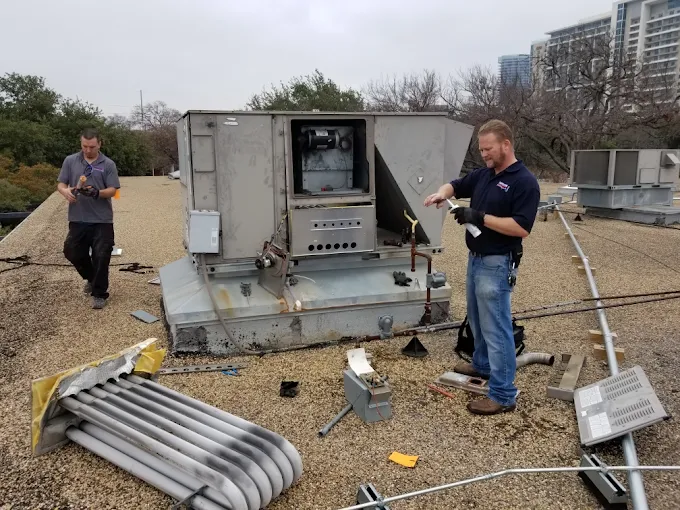
Commercial HVAC Maintenance Cost and Value Explained
If you manage a building in Dallas, TX, you already know HVAC downtime is expensive. This guide breaks down what commercial HVAC maintenance typically protects against, how to think about maintenance value, and what to ask for so you can budget with confidence.
Last month, a property manager in Dallas noticed the comfort complaints started creeping in after hours, especially on hot afternoons. By the time the next workday arrived, the system was running harder, and the thermostat readings did not match what tenants were feeling.
That is usually when the maintenance question gets urgent: “What does commercial HVAC maintenance really cost, and what value should we expect?” This guide helps you understand what maintenance is designed to prevent, what factors change the cost, and how to evaluate whether maintenance is protecting your operations.
- Quick answer
- What to check first
- Main things customers should understand
- Why this matters in Dallas, TX
- Common mistakes to avoid
- Customer checklist
- Frequently asked questions
Quick Answer
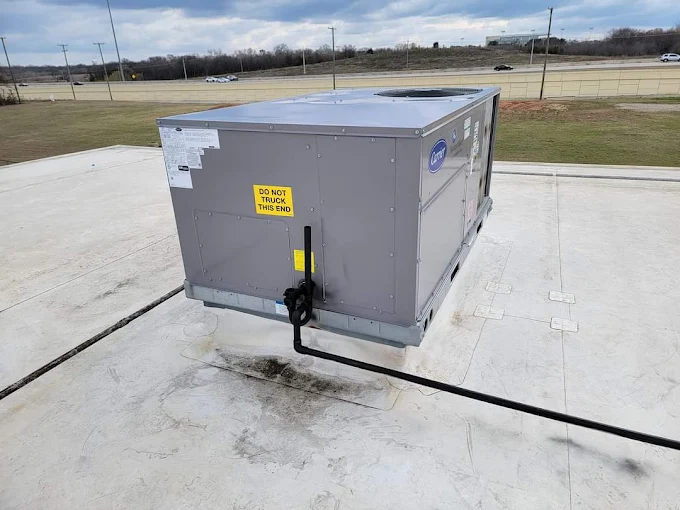
Commercial HVAC maintenance is usually “worth it” when it is matched to your equipment, your schedule, and your performance goals. Instead of focusing only on the maintenance line item, evaluate what the service includes: inspections, cleaning, system checkups, and identifying issues early. For property managers in Dallas, TX, preventative work can reduce the chance of comfort problems and unexpected repairs during peak heating or cooling demand. A practical next step is to review your last maintenance history and schedule the correct furnace and AC inspection coverage for your building.
What to Check First
Before you compare costs, confirm you are comparing the same scope. Start with your last maintenance date and what was actually performed. Then check whether the system is showing symptoms like inconsistent temperatures, unusual noises, odors, or airflow that seems weaker than usual.
Maintenance history
If maintenance was skipped or rushed, you may need added attention during the next service visit.
Equipment type
Different systems need different checks. Your building’s furnace and AC setup determines the recommended coverage.
Operational impact
Consider when you can take units offline. Maintenance value is higher when downtime is costly.
If you are planning furnace service, it helps to know whether you need a tune-up, an inspection, or more focused maintenance. For example, reviewing furnace maintenance service can clarify what “annual” coverage typically looks like for gas furnace systems.
Main Things Customers Should Understand
Commercial HVAC maintenance cost is not a single number. It is the result of scope (what gets checked and cleaned), equipment complexity, and building usage patterns. In Dallas, TX, systems often cycle heavily through seasonal swings, which makes thorough checkups more valuable.
Professional observation: Maintenance value usually comes from catching small issues early, before they become comfort complaints or larger HVAC repairs. The best maintenance plan is the one that keeps airflow, heating performance, and safety checks on track.
Here are the main factors that influence cost and value for commercial HVAC maintenance:
- System condition and age: Older equipment can require more attention to reach stable performance.
- Filter and airflow realities: Restricted airflow can stress components and reduce comfort consistency.
- Cleaning needs: Dust buildup can affect performance, especially in buildings with ongoing activity.
- Safety and inspection coverage: Furnace safety inspection steps matter for gas heating systems and proper operation.
- How many units and zones: Multi-unit buildings and zoned systems increase the amount of time needed to check everything.
- Scheduling constraints: When a property manager can coordinate access and downtime affects how service is planned.
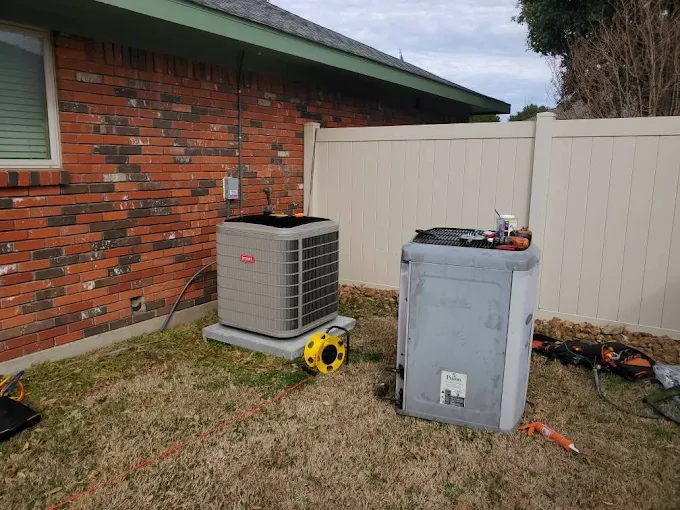
In practice, a maintenance visit often includes furnace safety inspection and furnace cleaning tasks, plus AC inspections and system checkups. If you want to understand how furnace issues are handled when they show up between maintenance cycles, you can compare what furnace tune-ups are designed to do versus more troubleshooting-focused work.
Decision tip: If your building has recurring “warm/cold spots” or frequent thermostat cycling, maintenance value increases when the scope includes airflow verification and a full system checkup, not just a quick inspection.
Why This Matters in Dallas, TX
In Dallas, TX, HVAC systems can face long stretches of cooling demand, followed by heating needs that arrive quickly. That pattern means a system can be “working hard” for months and then shift to heating season without much recovery time.
For many commercial properties in the Dallas area, the priority is maintaining comfort for tenants and staff, not just operating equipment. That is why AC inspections and annual AC maintenance service are often paired with heating coverage so you are not surprised when temperatures swing.
When you are planning AC season readiness, it can help to understand the difference between AC maintenance and reactive AC repair. Preventative work focuses on system checkup and cleaning, while repairs respond to specific symptoms like “AC not cooling” or airflow problems.
Common Mistakes to Avoid
Most commercial maintenance problems do not come from skipping service entirely. They come from assuming that any “inspection” is equal, delaying until comfort complaints become urgent, or choosing the cheapest scope without matching it to your equipment and usage.
- Waiting until the system fails: A sudden failure forces reactive work and can disrupt tenants or operations.
- Choosing the same service every year: Scope should reflect what your system needs, not a generic checklist.
- Ignoring symptoms: Furnace troubleshooting clues like “not heating” or “blowing cold air” often point to underlying issues that maintenance could help detect earlier.
- Underestimating airflow and cleaning: If airflow is restricted, components work harder, and performance becomes less predictable.
- Overlooking the AC side: Some buildings focus on heating checks and neglect AC inspections, even though the equipment still faces heavy seasonal loads.
| Scenario | What often happens | Where maintenance value shows up |
|---|---|---|
| Maintenance done consistently | Performance tends to be steadier, with fewer surprises between seasons. | Early issue identification during furnace inspections and AC inspections helps prevent comfort drift. |
| Maintenance delayed “until it’s bad” | Small problems develop into larger repairs when the system is under peak load. | Preventative furnace maintenance and annual AC maintenance service reduce the chance of late-season breakdowns. |
| Scope doesn’t match equipment | Inspections happen, but key checks may be missed for that system type. | Choosing the right furnace service coverage and AC checkups improves predictability. |
Build a maintenance plan for your Dallas property
Tell us what equipment you have and when tenants notice comfort issues. TemperaturePro can help you align maintenance coverage with your furnace and AC needs.
Talk to TemperatureProCustomer Checklist
Use this checklist to prepare for a commercial HVAC maintenance visit. It helps your team and the technician focus on the right checks and reduces back-and-forth during service.

- Confirm the last maintenance date for each furnace and AC unit on-site.
- List any comfort issues (hot/cold spots, uneven airflow, cycling, or odors).
- Check whether filters have been changed on schedule and whether airflow feels restricted.
- Note any recent repairs or recurring problems (for example, “AC not cooling” symptoms).
- Identify access constraints so the technician can plan what to inspect and clean.
- Ask what the service includes for furnace safety inspection and furnace cleaning.
- Request a clear next-step recommendation based on what the technician finds.
Representative Scenario
Consider a small office building in Richardson, TX that shares a common schedule across multiple tenant suites. The property manager starts hearing complaints right after the thermostat gets adjusted for colder mornings. A maintenance visit focuses on furnace inspections, airflow checks, and system checkup items rather than waiting for a breakdown. By documenting what is happening and recommending the right furnace service steps, the manager can plan maintenance around tenant access instead of reacting to “furnace not heating” calls during peak demand.
Frequently Asked Questions
How do I estimate the cost of commercial HVAC maintenance?
Start by matching the service scope to your equipment. Commercial HVAC maintenance cost depends on how many units are involved, the system type, the condition of the equipment, and how much cleaning and inspection coverage is needed. A practical approach is to review your last maintenance history and list any performance issues you have noticed. That way, you can compare like-for-like coverage across furnace inspections, AC inspections, and maintenance service tasks.
What should be included in a furnace inspection for a commercial building?
A furnace inspection should include safety-focused checks and verification that the system is operating correctly. Many maintenance efforts also include furnace cleaning and broader performance checkups to support reliable heat output. If your building has a history of issues like furnace blowing cold air or inconsistent heating, ask your technician to explain what they will verify and how that connects to comfort.
Is AC maintenance different from AC repair?
Yes. AC maintenance is preventative and geared toward keeping the system performing consistently through cleaning, checkups, and inspections. AC repair is response-focused, meaning it targets specific problems like AC not cooling or other symptoms that show up during operation. If you are deciding whether to schedule maintenance now or wait, consider whether you are seeing recurring symptoms or simply want seasonal readiness and system checkup coverage.
How often should commercial HVAC maintenance be scheduled in Dallas, TX?
Many customers plan maintenance to line up with seasonal demand, with coverage that supports both heating and cooling readiness. In Dallas, TX, where cooling needs can be sustained and heating demand can arrive quickly, aligning furnace inspections and AC inspections with the building’s operating calendar helps reduce the chance of performance drift. Your best frequency depends on system usage, building occupancy, and how consistently the equipment has been maintained.
When should we consider furnace or AC replacement instead of maintenance?
Replacement is usually considered when maintenance and repairs no longer produce stable performance or when the system’s condition suggests ongoing issues. A practical recommendation is to ask for a clear findings summary and the options based on what the technician observes during furnace inspections or AC inspections. If you are exploring equipment changes, you can also review guidance on furnace inspections and how recommendations are made after a thorough check.
Ready to protect comfort and reduce surprises?
TemperaturePro serves Dallas, TX and Richardson, TX. If you want a maintenance plan that fits your furnace and AC needs, contact us and we will help you get the right next steps.
Call TemperaturePro: (469) 275-1624
TemperaturePro
TemperaturePro provides HVAC heating and cooling services for customers across Dallas, TX, including commercial HVAC support. From furnace maintenance service and furnace inspections to AC inspections and air conditioning maintenance, the goal is consistent performance and practical recommendations based on what your system needs.
If you are comparing commercial HVAC maintenance cost versus value, we can help you focus on coverage that supports comfort, airflow, and dependable operation.