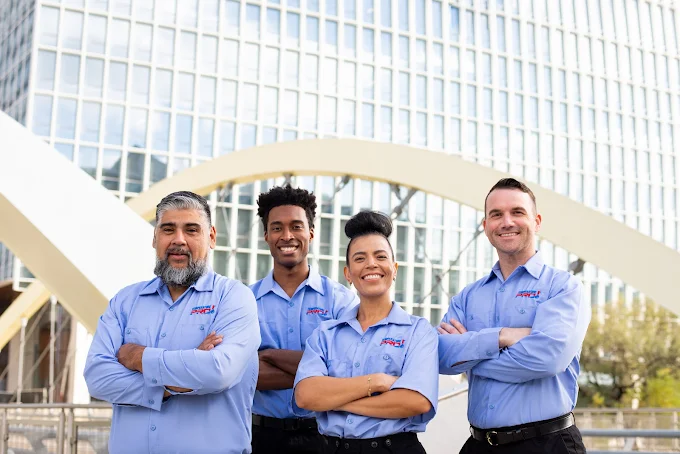
By the TemperaturePro team — serving Dallas, TX and Richardson, TX.
Last week, a homeowner in Dallas texted us after their thermostat called for heat and… nothing happened. The furnace tried to start, then shut down. The second attempt blew cool air, and by evening the house felt like it had dropped a whole season overnight. They were stuck between two worries: paying for another Furnace Repair that might not last, or moving to Furnace Replacement planning before the next cold snap.
This guide helps you choose the best fit for your furnace system—whether you’re leaning toward repair, a furnace tune-up, or full Furnace System Replacement—by focusing on what actually matters in real homes around Dallas and Richardson. You’ll also find a practical decision checklist you can use before you call.
Quick Answer
For Furnace Replacement planning, the “best fit” usually comes down to three things: (1) whether repair is still a smart option, (2) correct furnace sizing and airflow, and (3) matching the fuel type and efficiency goals to your home. If your furnace is short-cycling, failing to ignite reliably, producing inconsistent heat, or needing repeated Furnace Service, replacement planning often becomes the safer long-term move.
What to Check First
Before you decide on Furnace Replacement, gather a few details. This helps you avoid guesswork and makes your Heating Service conversation much more productive.
Start here (quick homeowner checks):
- Confirm the thermostat settings: Heat mode, temperature setpoint, and schedule status.
- Look for furnace error lights/codes: If you see blinking indicators, write down the pattern.
- Check for airflow issues: Is the air filter very dirty, or are supply registers blocked?
- Note the symptoms: Furnace Not Heating, Furnace Blowing Cold Air, frequent shutdowns, unusual sounds, or delayed ignition.
- Consider maintenance history: When was the last Furnace Maintenance Service or Furnace Tune-Up?
Pro tip: If you’re unsure whether it’s a safety issue, don’t keep cycling the system. Many ignition and airflow problems can trigger shutdowns designed to protect your furnace.
Main Things Customers Should Understand
“Best fit” isn’t just about choosing a new box. In most Dallas-area homes, the right outcome depends on how the furnace will work with your ductwork, your airflow needs, and your fuel/setup. Here are the key factors we discuss with customers when planning for Furnace Replacement.
1) Repair vs Replace: how to make the call
Sometimes Furnace Repair makes sense—especially when the issue is isolated and your furnace is otherwise healthy. But repeated breakdowns or safety-related faults can turn repair into a cycle of stop-and-go comfort.
If you’re currently dealing with a failing unit, you can start with focused options like furnace repair and then decide based on what’s found. If the furnace is older or the diagnosis points to multiple worn components, replacement planning becomes the more dependable path.
2) Fuel type: gas furnace vs electric furnace
Many Dallas homes use gas furnaces, while some setups rely on electric heat. The “best fit” depends on how your home is built and what your system is already designed to do.
- Gas furnace replacement planning: Often a straightforward upgrade if your venting and gas line setup are compatible with the new model.
- Electric furnace replacement planning: May fit specific home configurations, but it’s especially important to confirm performance expectations and system compatibility.
Key observation from the field: A lot of “new furnace problems” aren’t actually furnace problems. They’re airflow or duct-related issues that show up once the system is running harder for comfort. That’s why we treat ductwork and airflow as part of the furnace decision—not an afterthought.
3) Sizing and airflow: the hidden driver of comfort
Oversized furnaces can short-cycle and feel inconsistent. Undersized furnaces can run too long, struggle in colder periods, and leave rooms uneven. During Furnace Installation or New Furnace Installation, correct sizing and airflow checks matter just as much as the equipment itself.
| Issue you’re seeing | What it often points to | What to ask for |
|---|---|---|
| Furnace Not Heating or ignition failure | Ignition/control problems or blocked airflow affecting safety shutdown | Furnace troubleshooting + safety inspection steps |
| Furnace Blowing Cold Air | Burner/ignition issues, airflow problems, or delayed heat cycle | Heating system check focused on airflow and cycle behavior |
| Frequent shutdowns | Safety trips, restricted airflow, or failing components | Furnace safety inspection and root-cause diagnosis |
| Inconsistent room temperatures | Air distribution/ductwork issues or balancing gaps | Airflow review during furnace service or furnace system replacement |
4) Efficiency and “high efficiency” planning
High efficiency furnace installation can be a good goal, but the best fit depends on your home’s setup and how the system will be maintained. Efficiency only helps if the furnace is properly selected, installed, and supported with Furnace Maintenance.
5) Safety and inspections before you commit
If you’re planning Furnace Inspections, focus on the parts that prevent problems from coming back. That includes verifying safe operation and making sure the system is ready for the season.
You can also review furnace inspections to understand how a safety-forward approach reduces surprises.
Want help deciding between repair and Furnace Replacement?
TemperaturePro helps Dallas homeowners and Richardson-area customers compare options with practical Furnace Service guidance—so you can plan your next move with confidence.
Call (469) 275-1624Why This Matters in Dallas, TX
In the Dallas-Fort Worth region, heating demand can swing fast. A furnace that “usually works” may fail at the worst possible time when temperatures drop and your system runs back-to-back cycles. That’s why Furnace Maintenance Plans and annual service matter—especially if your household relies on consistent heat for early mornings and evenings.
Another local detail we see: homes with older ductwork or long return paths can magnify airflow problems. When customers plan Furnace Replacement, we often recommend reviewing airflow realities (not just swapping equipment) so the new furnace can deliver comfort the way it should.
If you’re also dealing with cooling performance, it’s common for homeowners to consider broader HVAC Heating Services. You can explore furnace maintenance support to keep the whole system operating as intended.
| Decision factor | Why it affects your outcome | How to use it in planning |
|---|---|---|
| System age and condition | Older units may need multiple repairs in a short window | Ask what parts are likely next and whether replacement avoids repeat failures |
| Heating performance symptoms | Ignition, airflow, and safety faults can change the “repair vs replace” math | Document Furnace Troubleshooting symptoms and timing |
| Ductwork and airflow | Comfort problems can be duct-related even with a new furnace | Request an airflow-focused check during replacement planning |
| Maintenance history | Neglected systems often accumulate issues that reduce reliability | Plan Furnace Maintenance Service going forward, not just today’s fix |
| Fuel type and home setup | Gas vs electric affects installation requirements and performance expectations | Confirm compatibility before committing to a model type |
Common Mistakes to Avoid
Here are the most common planning mistakes we see when customers compare Furnace Replacement options in Dallas and Richardson. Avoiding these usually leads to smoother installation and fewer “why doesn’t it feel right?” issues afterward.
- Choosing equipment size without verifying airflow needs: A furnace that’s “typical for the square footage” can still underperform if your ductwork and airflow are restricted.
- Ignoring maintenance history: If your furnace is dirty or neglected, the new system can still struggle. Furnace Cleaning and Furnace Maintenance support the long-term result.
- Waiting too long to address safety shutdowns: If you’re seeing repeated shutdown behavior, plan a professional Furnace Safety Inspection rather than repeatedly resetting the thermostat.
- Assuming the problem is only the furnace: In many homes, the root cause is airflow, ductwork, or distribution—not just the burner or ignition component.
Customer Checklist
Use this checklist when you’re scheduling a decision call or service appointment. It helps you ask better questions and compare options in a way that’s specific to your home.
Before you approve Furnace Replacement:
- Symptom log: When it fails, what it does (ignition attempt, shutdown, Furnace Blowing Cold Air), and any error indicators.
- Maintenance timeline: Last Furnace Tune-Up, Furnace Service dates, and filter changes.
- Airflow check: Confirm filter condition and ask whether ductwork airflow should be reviewed.
- Safety inspection: Ask what Furnace Safety Inspection steps will be performed before and during diagnosis.
- Replacement plan questions: “What size furnace is recommended for my home?” and “What should I expect for comfort and reliability after installation?”
Important: If your furnace repeatedly shuts down, don’t keep trying to “test it” on the thermostat. Ask for Furnace Troubleshooting and Furnace Safety Inspection steps to address the root cause.
Frequently Asked Questions
How do I know if I need Furnace Replacement or just Furnace Repair?
Look at reliability and root-cause patterns. If you’re dealing with Furnace Not Heating symptoms that return soon after repairs, or if the diagnosis points to multiple worn components, replacement planning can be the more dependable path. A professional inspection should explain what’s failing, why it’s failing, and whether the remaining furnace life is likely to be short. We also consider airflow and safety shutdown behavior—because those issues can make repeated repairs less effective.
What should I expect during Furnace Installation planning?
Planning usually includes confirming the right furnace type (gas or electric), reviewing your home’s heating needs, and checking how the system will work with your ducts and airflow. A good installer also discusses what to expect after installation—startup behavior, comfort timelines, and how Furnace Maintenance will protect performance. If ductwork issues are contributing to uneven heating, it should be part of the plan, not discovered later.
Can I replace a furnace and ignore ductwork?
Sometimes a ductwork issue doesn’t show up until the system runs harder. If you have uneven rooms, weak airflow, or recurring comfort complaints, the ductwork may be part of the problem. During Furnace System Replacement, it’s smart to ask for an airflow-focused review. If needed, you can also explore related services like duct cleaning when dust buildup affects airflow.
What’s the difference between furnace maintenance and a furnace tune-up?
A Furnace Tune-Up is typically a scheduled service that checks key operating components, verifies safe and efficient operation, and addresses common wear items. Furnace Maintenance Service is broader and can include additional steps based on your system’s needs—like filter guidance, cleaning tasks, and season-ready performance checks. Many homeowners choose annual Furnace Maintenance or Furnace Inspections to reduce the chance of last-minute failures.
What if my furnace is blowing cold air—should I replace it immediately?
Not necessarily. “Furnace blowing cold air” can be caused by ignition problems, safety shutdowns, or airflow restrictions. Replacement may be the right move if the furnace is old and the issues are repeated or safety-related, but it should be based on diagnosis—not on one symptom alone. Start with Furnace Repair or Furnace Troubleshooting, then decide with the full picture of system condition.
Ready to Get Help From TemperaturePro?
If you’re planning Furnace Replacement in Dallas, TX or Richardson, TX, the best next step is getting clarity on what’s causing the problem and what solution fits your home—not just what’s available. TemperaturePro can help you compare repair vs replacement options, plan Furnace Installation around real comfort needs, and map out Furnace Maintenance support for the long run.
Talk with TemperaturePro about your furnace plan
Whether you’re dealing with Heater Repair concerns, considering Furnace Upgrade options, or planning Annual Furnace Maintenance for reliability, TemperaturePro is ready to help customers in Dallas and nearby areas choose the right next step.
Call (469) 275-1624About TemperaturePro
TemperaturePro helps Dallas, TX homeowners and surrounding-area customers with HVAC heating services designed around practical guidance, reliable performance, and local comfort needs. From Furnace Repair and Furnace Tune-Up to Furnace Installation and Furnace System Replacement planning, the focus stays on helping you understand your options, avoid unnecessary problems, and choose the right solution for your home’s heating system and airflow realities.