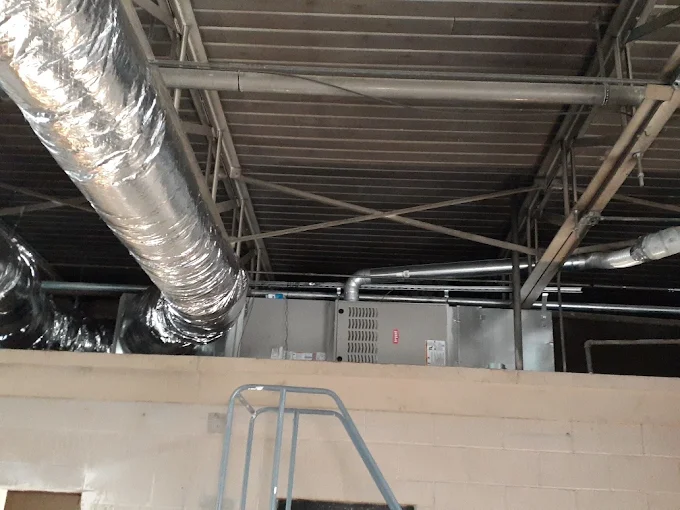
By the TemperaturePro team — serving Dallas, TX and nearby areas like Richardson, TX.
A Dallas-area facility manager told me they were “fine” right up until the first real cold snap hit—then the furnace struggled to keep up. The thermostat was set correctly, but the building still felt uneven: some rooms ran cool while others got stuffy. The worst part? The calls started right when the schedule was already packed.
This is a common pattern we see with commercial HVAC maintenance. Small issues—like airflow restrictions, dirty burners, or sensor problems—can hide for weeks, then show up at the most inconvenient time. This guide gives you a practical Commercial HVAC Maintenance Checklist: Protect Every Season you can use to reduce breakdown risk and keep comfort steady for your tenants, employees, or customers.
Quick Answer
If you want fewer HVAC surprises, run a simple seasonal plan: inspect, clean, test controls, and verify safety—then schedule repairs before the next weather swing. For commercial systems, a consistent schedule helps prevent problems like poor heating performance, AC airflow issues, and comfort complaints that can quickly turn into emergency calls.
Key takeaway: Maintenance is not just “keeping it running.” It’s checking airflow, combustion/safety (for gas furnaces), electrical components, refrigerant-related symptoms, and control operation—so your system performs reliably when Dallas weather changes fast.
What to Check First
Before you schedule anything, take a short walk-through and gather a few details. This helps your HVAC technician target the right work and reduces the chance of repeat visits.
- Comfort pattern: Are complaints tied to certain zones, floors, or specific times of day?
- System behavior: Does the furnace or AC cycle too frequently, blow weak air, or struggle to reach setpoints?
- Recent changes: Any upgrades, ductwork modifications, new equipment, or filter changes?
- Visible red flags: Excess dust around vents, recurring odors, unusual sounds, tripped breakers, or ice buildup on cooling equipment.
- Maintenance history: When was the last commercial HVAC maintenance visit and what was addressed?
Pro tip: If you track thermostat runtime and call logs (even informally), you’ll usually spot patterns—like “heating complaints only occur after hours” or “AC struggles on sunny afternoons.” That context speeds up troubleshooting.
Main Things Customers Should Understand
Commercial HVAC systems are built to run continuously, but they still experience wear. In practice, most seasonal breakdowns come from a handful of predictable categories: airflow problems, component contamination, control/sensor drift, and safety or electrical faults.
1) Heating season: verify safe, stable furnace operation
For heating performance, the goal is consistent heat delivery and safe operation. During a maintenance visit, technicians typically focus on furnace inspections, furnace cleaning, and checks that affect whether your system can actually meet demand.
If your building uses a gas furnace, safety checks matter. If your building uses an electric furnace, the focus still includes airflow and electrical/heat-strip operation. If you’re planning ahead, review your heating maintenance scope with your provider and confirm it includes the items that prevent “furnace not heating” and “blowing cold air” complaints.
Related resources for homeowners and building teams include furnace inspections and furnace maintenance—useful starting points when you’re building a seasonal plan.
2) Cooling season: protect airflow and compressor health
For cooling, the most common issues we see are not always “refrigerant leaks” at first—they can start as restricted airflow, dirty coils, or control problems that make the system work harder than it should.
During AC inspections and maintenance, technicians typically look at:
- Airflow across indoor and outdoor components
- Coil condition and airflow restrictions
- Electrical connections and fan operation
- Thermostat/control behavior and sensor accuracy
- Symptoms that may indicate refrigerant-related issues (without guessing)
If you’re building a maintenance calendar, consider a dedicated AC maintenance visit so the system is ready before your busiest weeks.
3) Controls and ventilation: comfort complaints are often “system coordination” issues
Commercial comfort problems can be caused by HVAC mechanics, but they’re also frequently linked to controls and airflow coordination. For example, a system might run, but zones may not balance properly—or dampers may not respond as expected. A good seasonal plan includes control checks, not just “turn it on and see.”
Expert observation: In real-world troubleshooting, the fastest path is usually understanding what the system is doing—how long it runs, whether it reaches setpoint, and whether airflow matches demand—before chasing parts. That’s why a checklist and trend notes matter.
Why This Matters in Dallas, TX
Dallas weather swings can stress HVAC operations. During hotter stretches, cooling equipment often runs longer and faces higher humidity loads. Then the building moves into shoulder seasons where systems can short-cycle if sensors or airflow are off. For commercial properties, that means comfort complaints can show up quickly—especially in offices, retail, and multi-tenant spaces with varying schedules.
In Richardson and throughout the Dallas area, we also see plenty of older ductwork and retrofit setups. That can increase the importance of airflow verification and duct-related checks. Even when the equipment is healthy, restricted airflow can lead to weak heating, poor cooling, and unnecessary cycling.
If you’re also dealing with indoor air quality concerns (common in commercial spaces), consider pairing HVAC maintenance with an indoor air focus. For example, duct cleaning may be part of the conversation when airflow and contaminant buildup are contributing to comfort issues.
| Maintenance focus | What it helps prevent | Seasonal timing |
|---|---|---|
| Airflow checks | Weak heating, poor cooling performance, extra cycling | Before peak heating and before peak cooling |
| Safety and combustion verification (gas systems) | Unsafe operation and reliability issues that show up under load | Early heating season |
| Controls and sensors | Unstable temperatures and zone comfort problems | Any time you see recurring “setpoint won’t hold” issues |
| Coil condition & electrical checks | Overwork, uneven cooling, and component stress | Early cooling season |
Want a seasonal plan for your commercial HVAC?
TemperaturePro helps Dallas-area businesses prevent breakdowns by pairing practical inspections with the right maintenance steps. If you’re preparing for the next season—or dealing with recurring heating or cooling problems—call and we’ll help you choose the right next step.
Call (469) 275-1624Common Mistakes to Avoid
Most HVAC problems aren’t caused by one big failure—they’re the result of small decisions that add up. Here are the mistakes we see most often with commercial systems:
- Waiting for comfort complaints before checking the system: By the time occupants complain, airflow and control issues may already be stressing components.
- Skipping furnace or AC inspections because the system “runs”: A system can operate but still be out of spec—leading to inconsistent comfort and higher operating costs.
- Changing filters without reviewing airflow impact: If filters are too restrictive or not installed correctly, the system can overwork or cycle.
- Not tracking trends: If you don’t note when issues occur (time of day, zone, outdoor conditions), troubleshooting becomes slower and more expensive.
- Assuming every problem is “the same repair”: A furnace that “blows cold air” is not the same diagnostic path as a furnace that “won’t start,” and cooling symptoms can have multiple causes.
Customer Checklist
Use this seasonal checklist to prepare your building. It’s written for property managers and business owners who want a clear plan before the busy weeks hit.
- Schedule seasonal inspection windows: Plan heating and cooling maintenance early—don’t wait for peak weather.
- Verify airflow and duct performance: Confirm vents and returns aren’t blocked, and check for signs of airflow restriction.
- Check controls and comfort behavior: Confirm thermostats/zones are reading correctly and responding properly.
- Inspect heating safety and reliability components: For gas systems, prioritize furnace safety inspection items and combustion-related checks.
- Inspect cooling components and electrical connections: Look for signs of strain, loose connections, fan issues, or coil contamination.
- Document what’s found: Keep a simple log of what was inspected and what needs attention next.
Practical decision tip: If you’re deciding between scheduling a maintenance visit, planning furnace repair, or budgeting for system replacement, start with an inspection that identifies the real cause. For heating-related needs, you can review options like furnace repair and furnace tune-up to understand what typically comes next after diagnostics.
Example: a realistic maintenance scenario
A commercial property owner in the Dallas area noticed that the building’s heating felt uneven after weekends. On weekdays, the system seemed fine, but on Mondays the colder zones took longer to reach setpoint. The first step wasn’t replacing parts—it was inspecting airflow and verifying control operation, including how the system ramped after longer idle periods. During the maintenance visit, the team identified airflow restrictions and addressed the underlying issues, which reduced the “Monday problem” without unnecessary parts swapping.
This is exactly why a checklist matters: it helps you catch the conditions that lead to inconsistent performance before they turn into “emergency” calls.
Frequently Asked Questions
How do I know if we need a commercial HVAC maintenance service now?
If your system is running but comfort is inconsistent, or if you notice unusual cycling, weak airflow, recurring heating repair needs, or cooling performance that doesn’t match thermostat settings, it’s time to schedule maintenance. For many Dallas-area businesses, the best trigger is timing: get inspections done before seasonal demand ramps up. A documented inspection also helps you plan future work without guessing.
What’s the difference between a furnace tune-up and furnace maintenance?
In practice, a furnace tune-up focuses on getting the system running efficiently and smoothly—often emphasizing burner/combustion and performance checks for heating. Furnace maintenance is broader and typically includes additional inspection and preventive steps to reduce reliability issues over time. The right choice depends on your system’s condition, maintenance history, and what you’re seeing in the field.
What should we do if the furnace is blowing cold air?
“Furnace blowing cold air” usually means the system isn’t delivering heat as expected—airflow issues, control problems, or heating component faults can be involved. The safest approach is to stop guessing and schedule a diagnostic inspection. A professional can confirm what’s happening (for example, whether the unit is firing correctly and whether airflow is correct) and then recommend the right next step—whether that’s furnace repair, a tune-up, or additional maintenance.
Can we handle HVAC maintenance ourselves?
Some tasks—like changing filters and keeping vents clear—are reasonable for building staff. But commercial maintenance should include professional inspection and testing, especially for safety-related furnace checks (gas systems), electrical components, control operation, and cooling performance. DIY efforts often miss underlying causes and can delay the fix until the system fails under real demand.
How often should we run inspections for heating and cooling?
A common approach is seasonal: plan heating inspection/maintenance before the colder months and cooling inspection/maintenance before the hottest months. If your building experiences heavy usage, frequent zone calls, or recurring issues, your schedule may need to be adjusted. The best frequency is based on system age, operating hours, and what’s been found during inspections.
Ready to Get Help From TemperaturePro?
If you’re trying to avoid the “worst possible time” HVAC breakdown, the smartest next step is a seasonal, preventative approach. TemperaturePro helps Dallas-area businesses protect every season with practical commercial HVAC maintenance—so comfort stays consistent and repairs are planned instead of rushed.
Schedule your commercial HVAC maintenance plan
TemperaturePro serves Dallas, TX and nearby areas like Richardson, TX. If you’re preparing for heating or cooling season—or troubleshooting recurring issues—contact us and we’ll help you choose a practical next step.
Call (469) 275-1624About TemperaturePro
TemperaturePro helps customers in Dallas, TX and surrounding areas with HVAC heating and cooling services designed around real-world reliability. From furnace inspections and furnace maintenance to AC inspections and commercial HVAC support, the team focuses on clear diagnostics, practical recommendations, and maintenance that helps protect performance across every season.