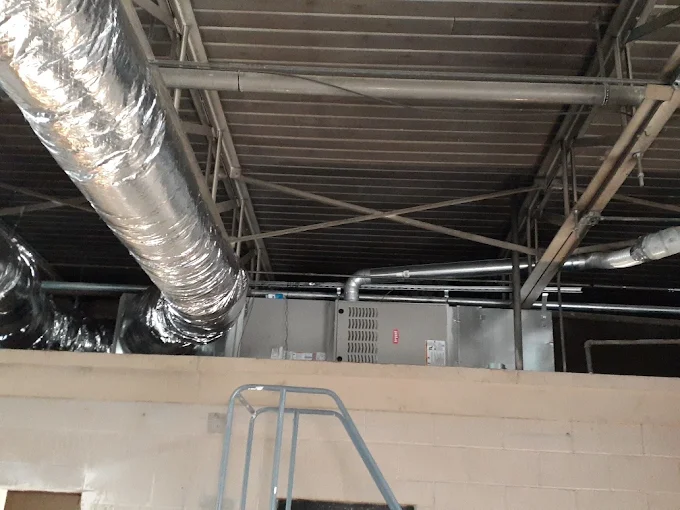
By the TemperaturePro team — serving Dallas, TX, and nearby areas like Richardson, TX.
A business owner in Dallas, TX told me their system “was fine” until the first real heat wave. Then the thermostat started cycling, some zones ran cold, and the rooftop unit sounded louder than usual. The uncomfortable part wasn’t just the temperature—it was the scramble: calling for HVAC repair while customers were waiting on hot days and employees were complaining.
This guide helps you understand what commercial HVAC maintenance really does—how it connects to cleaner, healthier air, fewer breakdowns, and steadier performance. If you manage an office, retail space, warehouse, or multi-tenant building in Dallas or Richardson, you’ll get a practical way to plan furnace and AC service, prioritize air quality tasks, and avoid the common “wait until it fails” mistake.
Quick Answer
Commercial HVAC maintenance is the planned work that keeps heating and cooling equipment running efficiently and helps support better indoor air quality. The biggest benefits usually come from:
- Furnace and AC inspections that catch wear before it becomes a failure
- System cleaning and tune-ups that improve airflow and reduce dust buildup
- Air handling and filtration checks that support cleaner, healthier air for occupants
- Safety-focused testing (especially for gas furnace systems)
If you’re seeing uneven temperatures, unusual noises, frequent cycling, or air that feels “stale,” maintenance is usually the right next step—then you can decide whether you need repairs or a larger HVAC replacement.
What to Check First
Before you schedule anything, do a quick “triage” so your HVAC technician can target the right fixes:
- Confirm symptoms and timing: Does the problem happen only during certain hours, after rain, or during peak heat/cold?
- Check airflow and registers: Are some zones weak while others seem normal?
- Look for obvious air-quality red flags: noticeable dust, musty odors, or increased allergies among occupants
- Verify thermostat behavior: Is it short-cycling (turning on/off too quickly)?
- Review maintenance history: When was the last furnace service, AC tune-up, or AC inspection performed?
Pro tip: If you have both heating and cooling issues, don’t assume they’re unrelated. In many buildings, dirty coils, clogged filters, or ductwork airflow restrictions can strain both sides of the system—so maintenance that covers the whole HVAC setup often prevents repeat callbacks.
Main Things Customers Should Understand
When we talk about “maintenance,” customers often picture a quick filter change. For commercial systems, maintenance is broader: it’s a structured process that protects equipment performance and supports indoor comfort and air quality.
1) Maintenance isn’t just about avoiding breakdowns—it’s about airflow and air cleanliness
Even a well-sized system can underperform if airflow is restricted. Dirty components and poor airflow can lead to dust accumulation on surfaces, uneven temperatures, and a “stuffy” feel indoors. During a real maintenance visit, technicians typically focus on:
- Airflow pathways (so air can move where it should)
- Heat exchanger and burner safety checks for furnaces
- Coil condition for AC performance
- Blower operation and control behavior
2) Furnace and AC maintenance work are connected
In many Dallas-area buildings, the same season that brings heavy cooling demand also stresses the heating side when temperatures swing. A consistent service rhythm helps you avoid the “it worked last month” surprise.
If you need a refresher on service options, you can review TemperaturePro’s approach to furnace maintenance and how it differs from reactive repairs.
3) Inspections help you catch safety and performance issues early
For gas furnace systems, safety inspection is a key part of preventative work. A focused furnace inspection helps identify issues that can affect safe operation and consistent heating.
4) When indoor air quality is the priority, dust and ductwork matter
Maintenance can support cleaner air, but it’s not the same as duct cleaning. If you’re dealing with visible dust, construction debris, or persistent dust complaints, you may need to pair maintenance with duct-focused services like duct cleaning—especially when airflow problems suggest ductwork or distribution issues.
What I commonly see: Buildings that only call for furnace repair or AC repair after occupants complain often end up paying for repeated troubleshooting. A planned maintenance schedule usually reduces the guesswork and helps keep comfort steadier.
| Maintenance task (what it targets) | How it helps comfort & air | What it can prevent |
|---|---|---|
| Furnace inspection + tune-up | Supports safe, consistent heating and proper combustion performance | Furnace not heating, uneven warmth, safety-related issues |
| AC inspection + tune-up | Improves cooling efficiency and supports better dehumidification | AC not cooling, warm air complaints, short cycling |
| Air handling & filtration checks | Helps reduce dust recirculation and keeps airflow more stable | Excess dust, “stale air” feeling, repeated airflow complaints |
| Air distribution/ductwork attention | Improves how air reaches rooms consistently | Hot/cold spots, persistent dust accumulation, comfort imbalance |
Planning commercial HVAC maintenance in Dallas?
TemperaturePro helps commercial customers in Dallas, TX and Richardson, TX understand what maintenance should cover, how to prioritize furnace service, and how to support cleaner, healthier indoor air.
Call 469-275-1624Why This Matters in Dallas, TX
Dallas summers can be punishing, and humidity can make comfort issues show up faster. From what we see on-site, a few local realities affect how maintenance should be planned:
- Cooling demand spikes quickly: When systems are behind on maintenance, cooling inefficiency becomes obvious during peak days.
- Dust and airflow complaints show up together: When filters and airflow pathways aren’t in shape, occupants often associate the problem with “bad air,” even when the root cause is airflow restriction.
- Commercial schedules matter: Retail and office buildings can’t always shut down for long. Preventative visits help reduce unexpected downtime and last-minute HVAC repair calls.
If your goal is cleaner, healthier air, maintenance should include more than “keeping the equipment alive.” It should support consistent airflow, filtration performance, and system cleanliness.
| Local situation you might notice | What it often points to | Maintenance-first next step |
|---|---|---|
| Different temperatures by zone | Air distribution issues, airflow restriction, or balancing problems | Professional HVAC inspection focused on airflow and controls |
| More dust complaints after HVAC runs | Filtration/air handling buildup or duct-related debris | System maintenance + evaluate duct cleaning needs |
| Foul or “stale” odors | Moisture/coil conditions or dust accumulation | AC inspection and cleaning approach before replacing parts |
| Frequent cycling or uneven comfort during heat waves | Coil/airflow issues, control problems, or refrigerant-related concerns | AC tune-up and diagnostic inspection to reduce strain |
Common Mistakes to Avoid
These are the patterns we see when customers wait too long or plan maintenance in a way that doesn’t match how commercial systems operate:
- Only calling for HVAC repair when something breaks: Reactive heating repair or AC repair addresses symptoms, but it doesn’t build a prevention routine for your equipment and air quality.
- Skipping furnace safety inspection: For gas furnace systems, safety checks are part of doing maintenance responsibly—not just “making it run.”
- Changing filters without fixing airflow issues: Filters help, but if airflow is restricted, a filter change won’t solve the root cause.
- Assuming comfort issues are “normal”: Unstable comfort and frequent temperature complaints are often maintenance signals, not just thermostat quirks.
Customer Checklist
Use this quick checklist to prepare for a commercial HVAC maintenance conversation with TemperaturePro. It helps us diagnose faster and prioritize what matters for cleaner, healthier air.
- Document symptoms: note when issues occur (mornings, after lunch, during peak heat, etc.).
- Check air distribution: list rooms/zones that run hot/cold or have weak airflow.
- Track air-quality concerns: dust buildup, musty odors, or occupant allergy complaints.
- Confirm maintenance history: last furnace service, AC tune-up, AC inspection, and any duct cleaning work.
- Ask about system coverage: whether maintenance includes inspections, cleaning, and airflow checks for your specific equipment type.
Important: If your system is showing signs like “furnace blowing cold air,” frequent short cycling, or repeated AC not cooling complaints, don’t keep resetting the thermostat. That pattern can increase wear and complicate troubleshooting.
Frequently Asked Questions
What’s the difference between furnace maintenance and emergency furnace repair?
Furnace maintenance is scheduled work—inspections, cleaning, and tune-ups designed to keep heating reliable and to reduce the likelihood of breakdowns. Emergency furnace repair is typically for urgent symptoms like the furnace not heating, unusual burner operation, or safety-related concerns. If you’re already seeing repeated heating problems (or inconsistent warmth), maintenance can still be the right next step, but it may include repairs after the inspection identifies what’s actually failing.
How do I know if my commercial AC needs a tune-up vs AC replacement?
A tune-up is usually the right first step when the system is still functioning but not performing well—think AC not cooling as expected, uneven comfort, or frequent cycling. Replacement becomes more likely when repairs would be repetitive, the system is near the end of its useful life, or diagnostics show major component failures. TemperaturePro can review your equipment condition and help you choose between AC repair, AC maintenance, or broader HVAC replacement based on what the inspection finds.
Can maintenance really help with indoor air quality?
Yes—within limits. Maintenance supports healthier air by helping the system move air properly, keeping components cleaner, and ensuring filtration and airflow are functioning as intended. If you have specific indoor air quality concerns like persistent dust, duct contamination, or debris, maintenance may need to be paired with targeted work such as duct cleaning. For commercial buildings in Dallas, we often see that airflow problems and dust complaints go together, so addressing both is key.
What should I expect during a commercial HVAC maintenance visit?
Most maintenance visits include inspection and performance checks across the system components that affect comfort and air movement—heating and cooling operation, airflow behavior, and key safety or control elements. If the inspection finds issues, the technician will explain what needs repair and what can be handled as part of preventative work. The goal is to reduce uncertainty, prevent repeat failures, and keep the building comfortable for occupants.
Is there value in planning maintenance around the seasons?
Absolutely. Seasonal planning helps you avoid peak-demand failures—especially during Dallas heat waves when cooling demand is highest. It also gives you time to schedule service with less disruption. A practical approach is to schedule heating service ahead of colder swings and AC service ahead of the hottest stretches, then keep up with recurring maintenance so equipment doesn’t drift out of performance.
Ready to Get Help From TemperaturePro?
If your goal is dependable comfort and cleaner, healthier air for your building, a maintenance-first approach is usually the most cost-effective way to avoid disruptive HVAC breakdowns. TemperaturePro helps commercial customers in Dallas, TX and Richardson, TX plan furnace and AC service, address indoor air quality concerns, and decide on the right next step—whether that’s tune-ups, inspections, or repairs.
Get a maintenance-focused plan for your system
For commercial HVAC maintenance and related heating and cooling services in Dallas and Richardson, TemperaturePro can help you troubleshoot problems, prioritize air-quality improvements, and choose the right service route.
Explore Commercial HVAC ServicesAbout TemperaturePro
TemperaturePro helps customers across Dallas, TX, and nearby areas like Richardson with practical HVAC heating and cooling services designed around prevention, cleaner operation, and reliable comfort. From furnace inspections and tune-ups to AC inspections, maintenance, and repair, the team focuses on educating customers, targeting the root cause, and helping property owners make informed decisions—whether you need maintenance support today or planning help for what’s next.