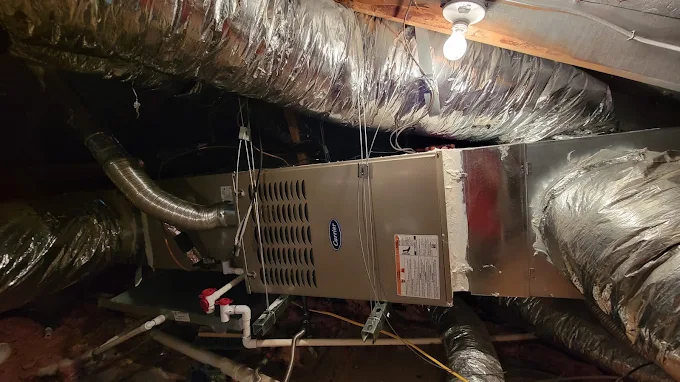
By the TemperaturePro team — serving Dallas, TX and Richardson, TX.
Last winter, a Dallas homeowner texted us after their thermostat hit “Heat” and the furnace ran… but the house never warmed up. A few hours later, they were hearing short cycling and noticing the air coming out cool. By the time they called, the weekend schedule had already changed how they could get help.
This guide is built to help you plan furnace replacement with winter readiness in mind—so you can avoid last-minute surprises, understand what to check first, and choose the right next step with confidence in Dallas, TX.
Quick Answer
If your furnace is struggling to heat, short-cycling, or showing repeated ignition/blower issues as winter approaches, you may be looking at furnace replacement rather than another quick fix. A practical first step is to schedule a furnace inspection to confirm what’s failing and whether the system is safe and cost-effective to keep running.
Key takeaway: Replacement planning is less about guessing and more about verifying: equipment condition, safety signals, airflow/venting, and whether repair will stabilize performance.
What to Check First
Before you decide repair vs. replacement, do a quick “system reality check.” These observations help you ask better questions—and they help your technician diagnose faster when you call.
- Thermostat behavior: Does the furnace run normally and just fail to heat, or does it struggle to ignite?
- Air temperature at vents: If you’re getting furnace blowing cold air, the issue is often airflow, ignition, or control-related.
- Burner/ignition symptoms: Delayed ignition, repeated starts/stops, or unusual odors should be treated as a signal to inspect promptly.
- Filter condition: A clogged filter can restrict airflow and make a working furnace feel “weak.”
- Age of the equipment: Older systems can still be serviceable, but repeated breakdowns often point toward furnace system replacement planning.
If you’re not sure where to start, TemperaturePro can help you sort out what’s happening and what your next step should be. For related maintenance work, you may also want to review furnace inspections.
Main Things Customers Should Understand
Planning for a furnace replacement isn’t only about picking a new unit. In Dallas-area homes, performance depends on sizing, airflow, gas/electric setup, ductwork condition, and the way the system is controlled. Here are the factors we discuss with homeowners most often.
1) Repair vs Replace: what “makes sense”
When a furnace is failing, there are two common paths: repair or replacement. The right choice depends on how the system is behaving and what the inspection finds.
| Situation | What It Usually Means | Typical Next Step |
|---|---|---|
| Intermittent failures (starts sometimes, won’t run others) | May be ignition/control issues, safety switch trips, or airflow problems | Inspection first; repair may restore reliability |
| Repeated breakdowns during the heating season | More than one component may be wearing out | Discuss furnace replacement to reduce recurring downtime |
| Comfort problems (inconsistent heat, cold rooms, weak airflow) | Often linked to airflow/ductwork or blower issues | Confirm airflow; consider system and ductwork needs together |
| Safety inspection findings (venting/combustion concerns) | Some conditions shouldn’t be “patched” for long-term safe operation | Plan for the safest practical solution—often replacement |
If you’re seeing persistent problems, it can help to compare your options with a professional. If the system is still running but needs performance support, a furnace maintenance approach may also be part of the plan.
2) Gas vs electric furnace considerations
Dallas-area homes commonly use gas furnaces, but electric systems and heat-pump setups also show up depending on neighborhood and retrofit history. When planning for gas furnace installation or electric furnace installation, we focus on:
- Energy source and operating costs: local utility rates and how your home is insulated.
- Comfort expectations: recovery time on colder mornings and how the system modulates.
- Control behavior: how the system responds to thermostat calls and airflow limits.
3) High-efficiency upgrades and real-world airflow
High-efficiency options can be a strong choice when the system is designed and installed correctly. However, a high-efficiency furnace can still underperform if the ductwork or airflow pathways aren’t ready for it. During planning, we look at:
- Supply/return balance and air distribution
- Filter and static pressure considerations
- Where the system can “move” air safely and consistently
Pro tip: If your home has rooms that are always colder (or warmer) than the rest, don’t assume the furnace is the only culprit. Ductwork and airflow issues can make even a new system feel underpowered.
4) Ductwork and indoor comfort planning
Replacement is a great time to think about overall system health. If airflow is inconsistent or you notice dust buildup, you may want to ask about duct-related improvements. TemperaturePro also supports duct cleaning when it fits your situation.
5) Timing: why winter readiness matters in Texas
Even when parts aren’t hard to source, the calendar fills up quickly as heating demand rises. A smart plan is to schedule inspection and decision-making before the coldest stretches hit—so installation isn’t competing with urgent repairs.
Planning a furnace replacement in Dallas? Get clarity before you commit.
TemperaturePro helps homeowners in Dallas, TX and Richardson, TX understand their options—repair, furnace replacement, or a more targeted furnace upgrade—based on what your system is actually doing.
Call (469) 275-1624Why This Matters in Dallas, TX
Dallas winters can be unpredictable—warm spells can mask early furnace issues until a colder snap hits. In many homes, that shows up as:
- Delayed heating calls: the system may start fine during mild weather but struggle when demand rises.
- Airflow sensitivity: older duct systems and filters can create “weak heat” symptoms that feel like furnace failure.
- Seasonal urgency: when multiple neighbors need heat service at the same time, scheduling timelines can tighten.
One firsthand observation we see often: customers call after the thermostat failure day, but the real warning signs had been present for weeks—like inconsistent warmth, short cycles, or the furnace sounding “different.” Replacing too late can turn a planned project into an emergency response. Planning ahead keeps your winter routine intact.
| Planning stage | What you should do | Why it helps |
|---|---|---|
| Now (pre-winter) | Schedule a furnace inspection and discuss replacement readiness | Confirms safety/condition and reduces last-minute decisions |
| During early cold snaps | Address heating problems quickly to avoid repeated cycling | Prevents additional wear on controls and burners |
| Mid-season | Prioritize reliability if breakdowns keep repeating | Helps avoid recurring “no heat” situations |
Common Mistakes to Avoid
Here are the mistakes that most often lead to unnecessary cost, downtime, or comfort issues when planning furnace replacement.
- Waiting until the system won’t heat at all: By then, you’re making choices under pressure instead of based on verified inspection results.
- Assuming the furnace is the only issue: Cold rooms can be airflow or ductwork related—not just the burner or heat exchanger.
- Skipping safety-focused checks: If you suspect venting or combustion concerns, it’s not the time for “keep running it” logic.
- Choosing a replacement based only on model number: Sizing, controls, and installation details matter just as much as equipment efficiency.
Important reminder: If your furnace is repeatedly failing to ignite, short cycling, or showing warning signs, don’t keep resetting it. Schedule a furnace safety inspection so the root cause is identified.
Customer Checklist
Use this checklist to stay organized from first symptom to final decision. It’s designed for homeowners who want to be ready without getting overwhelmed.
- Record symptoms: when it happens, what you hear/see (late ignition, short cycling, furnace blowing cold air).
- Check basics: thermostat settings, filter condition, and whether registers are open/unblocked.
- Note system age and history: any prior repairs, tune-ups, or recurring breakdowns.
- Ask about inspection scope: make sure the technician checks safety and performance-related components.
- Plan the next step: confirm whether repair, furnace replacement, or a targeted furnace upgrade is the most practical option.
If you’re comparing service options, you might also review furnace installation to understand what a replacement process typically involves.
Frequently Asked Questions
How do I know if I need furnace replacement instead of furnace repair?
Replacement usually enters the conversation when the furnace has repeated breakdowns, struggles to deliver heat consistently, or when inspection finds safety or performance concerns that are unlikely to be solved cost-effectively with another repair. A professional furnace inspection should help determine whether the system can be stabilized with repair or whether planning for a furnace system replacement is the smarter long-term move for reliability.
What should I do right now if my furnace won’t heat?
Start with safe, simple checks: verify thermostat settings, check the filter, and confirm that vents/registers aren’t blocked. If the furnace still won’t heat or it keeps short cycling, don’t repeatedly reset it—schedule professional help. In Dallas and Richardson, the goal is to restore safe operation quickly and prevent additional wear while you decide on repair vs replacement.
Does furnace tune-up help if I suspect replacement?
A furnace tune-up can improve performance when the system is generally healthy, but it won’t fix major safety or major component failures. If you’re noticing persistent symptoms like ignition problems, weak heat, or recurring cycling, an inspection is usually the best first step. Then you can decide whether a furnace tune-up or more involved work makes sense.
What factors affect the cost of furnace replacement?
Replacement cost commonly depends on equipment type (gas vs electric), sizing for your home, the complexity of installation, and whether ductwork changes are needed for airflow. Safety-related findings from a furnace inspection can also influence the scope of work. TemperaturePro focuses on explaining what’s driving the recommendation so you can plan accurately.
Can I combine furnace replacement planning with other comfort projects?
Yes—especially if your comfort issues are broader than heating alone. Many homeowners pair furnace replacement planning with duct-related improvements or indoor air quality upgrades. TemperaturePro can also help coordinate related HVAC heating services, and if you’re exploring whole-home comfort, heat-pump options may be worth discussing through heat pumps depending on your home and goals.
Ready to Get Help From TemperaturePro?
If you’re planning for winter readiness, the best time to decide is before the coldest stretch forces a rushed call. TemperaturePro helps homeowners in Dallas, TX and Richardson, TX move from “something feels off” to a clear plan—whether that’s furnace service, furnace maintenance, or a practical path to furnace replacement.
Talk with TemperaturePro about your furnace replacement plan
From furnace inspections to installation planning, TemperaturePro is here to help you choose the right next step for your home’s heating system—without guesswork.
Contact TemperatureProAbout TemperaturePro
TemperaturePro helps customers in Dallas, TX and Richardson, TX with HVAC heating services built around practical guidance: furnace inspections, maintenance support, and heating repair or installation planning when replacement is the better long-term choice. Our focus is helping homeowners understand what’s happening, what to check first, and how to make a confident decision for winter readiness.