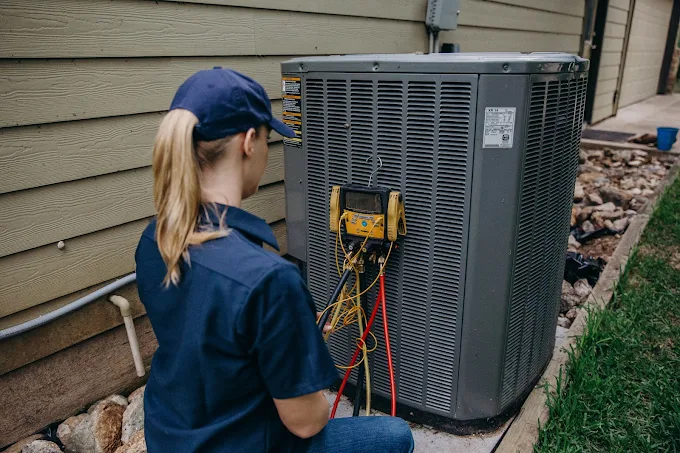
By the TemperaturePro team — serving Dallas, TX and nearby areas like Richardson, TX.
It’s 9:30 at night in Dallas, the thermostat is set where it usually keeps the house comfortable, and suddenly the A/C either won’t start or starts blowing air that feels too warm. You check the breaker—nothing obvious. You wait a few minutes, then try again… and now the unit sounds different. In the morning you can call, but tonight you still have to get through the heat and humidity.
This guide explains what “after-hours” AC repair typically involves, what you should check before calling, and how to decide whether you’re looking at a repair or something closer to AC replacement. You’ll also get practical, local insight for Dallas conditions and a clear checklist you can use right now.
Quick Answer
If your A/C won’t cool after hours, start with safe, simple checks (thermostat settings, breaker, visible issues, and airflow). If the system won’t respond, cycles repeatedly, blows warm air, or you notice refrigerant-related signs (like unusual residue or persistent warm discharge), it’s time to call for AC repair. For older systems, repeated failures or major component concerns may point toward AC replacement—but a proper diagnosis comes first.
What to Check First
Before you contact TemperaturePro, these checks can help you avoid delays and give a technician better information:
- Verify the thermostat mode and setpoint: Make sure it’s set to Cool (not Heat or Off) and the temperature is set below the current room temperature.
- Check the air handler / indoor blower: If you have airflow but it’s lukewarm or warm, the issue may be related to cooling performance (not just a “no power” problem).
- Look at the outdoor unit behavior: If the outdoor fan isn’t running, you may be dealing with power, capacitor, contactor, or control issues.
- Check the breaker—then stop: If a breaker trips again immediately after resetting, don’t keep resetting. That’s a strong “call for service” signal.
- Inspect for obvious blockages: Clear debris around the outdoor unit. Avoid moving parts or reaching into electrical components.
Pro tip: If your A/C is running but not cooling, don’t keep lowering the thermostat. The system may already be maxing out its capacity, and repeated cycling can make diagnosis harder.
Main Things Customers Should Understand
After-hours AC repair is less about “mystery fixes” and more about diagnosing the specific failure mode—especially in Dallas where systems can be pushed hard by heat and humidity. Here are the practical categories technicians look at.
1) “No cooling” vs. “no power”
No power usually shows up as the unit not starting at all (or only partially starting). No cooling often means the system runs, but the indoor air doesn’t feel cold enough—suggesting airflow limits, refrigerant system issues, or compressor-related performance problems.
2) Common cooling-related failure points
In residential systems, cooling problems frequently involve one or more of these areas:
- Airflow restrictions: Dirty filters, clogged coils, blocked returns, or a blower issue can prevent proper heat removal.
- Refrigerant system problems: Refrigerant leak repair (or other refrigerant-related concerns) can reduce cooling output.
- Electrical components: Start/run capacitors, contactors, or control board issues can cause “starts then stops” behavior.
- Compressor problems: If the compressor isn’t performing correctly, the system may blow warm air or struggle to maintain temperature.
3) Why diagnosis matters more than “trying things”
When you call TemperaturePro, we’ll focus on identifying the root cause rather than guessing. That’s also why you’ll want to avoid decisions based only on symptoms—like assuming every “warm air” event is a refrigerant issue. Sometimes it’s airflow or a sensor/control problem, and the fix is different.
Local insight: In Dallas-area homes (including many older Richardson, TX properties), airflow and duct restrictions can be a bigger factor than homeowners expect—especially if filter changes were missed during peak summer months.
Signs You Need Help Tonight (or Soon)
Some issues are safe to monitor briefly, but others are good reasons to contact TemperaturePro promptly:
- The system won’t start after you verify thermostat settings and a breaker reset is stable.
- It starts and immediately shuts off or keeps cycling rapidly.
- It blows warm air or air that never gets close to your set temperature.
- You hear loud, unusual noises from the outdoor unit.
- There’s a refrigerant-leak related sign: persistent oily residue around a refrigerant line or fittings (don’t touch—just note the location).
- Ice or heavy frost appears on the indoor coil or refrigerant lines.
Need after-hours AC repair in Dallas?
TemperaturePro helps homeowners in Dallas, TX and Richardson, TX restore cooling with practical troubleshooting. If your unit won’t cool, keeps cycling, or won’t start, calling sooner can reduce the risk of repeated strain on the system.
Call (469) 275-1624Why This Matters in Dallas, TX
Dallas summers can turn your indoor comfort into a time-sensitive issue fast—especially for households with infants, seniors, or anyone sensitive to heat. Beyond comfort, high humidity and heat load can push A/C systems beyond what they can handle if:
- the system is under-serviced (less efficient heat removal),
- airflow is restricted (reduced cooling capacity),
- electrical components are failing (intermittent start/stop), or
- cooling performance is already degraded (so the unit can’t “catch up”).
One firsthand pattern we see: when a system fails during peak demand, it’s often not the first symptom—just the first time the homeowner notices it. A small decline in cooling capacity can show up weeks earlier as “it feels cooler, but not like it used to.” Then one night, it crosses the line into “not cooling at all.”
| Symptom you notice | What it can indicate | Best next step |
|---|---|---|
| Outdoor unit won’t run | Power/control issue, capacitor or contactor problem | Call for AC repair diagnosis |
| Air blows warm | Airflow restriction, refrigerant-related issue, compressor performance | Professional troubleshooting (avoid repeated resets) |
| Rapid cycling | Electrical or control fault, airflow/coil issue, protection shutdown | Get service to prevent repeated strain |
| Frost/ice on lines or coil | Airflow or refrigerant/charging imbalance | Schedule service promptly |
Common Mistakes to Avoid
These are the mistakes that most often turn a fixable cooling issue into a bigger problem:
- Resetting the breaker repeatedly: If a breaker trips again, it can be a sign of a fault condition. Keep-resetting can increase risk and delays diagnosis.
- Ignoring airflow problems: A clogged filter or obstructed return can make the A/C feel “broken,” even when the root cause is restricted air.
- Assuming “warm air” always means refrigerant: Refrigerant leaks are possible, but so are compressor performance issues and airflow limitations.
- Waiting too long to address repeated failures: In peak Dallas heat, extended runtime with poor cooling performance can stress components.
- Trying to DIY electrical repairs: Capacitors and control wiring aren’t safe for homeowners to troubleshoot.
Customer Checklist
Use this short checklist when your A/C acts up after hours. It helps you decide whether it’s safe to wait a short time or time to call TemperaturePro.
- Thermostat: Mode is set to Cool, setpoint is below room temperature.
- Airflow: Indoor blower runs; you can feel air coming from vents.
- Outdoor unit: Fan is running or you’ve confirmed it isn’t (no touching electrical parts).
- Breaker status: Breaker is not tripping repeatedly.
- Visible issues: No heavy frost, and you’ve noted any unusual residue or noises.
Important: If you smell burning odors, see sparking, or the breaker trips immediately after reset, stop troubleshooting and contact TemperaturePro right away.
When you should plan ahead (even if it’s working)
If your system is currently cooling again, it’s a good moment to prevent the next after-hours breakdown. You can also explore ongoing AC maintenance to support consistent cooling performance through the hottest weeks.
Frequently Asked Questions
How do I know if I need emergency AC repair vs. scheduling for the next day?
If the unit won’t start, keeps cycling rapidly, blows warm air without improving, or shows frost/ice, it’s usually worth contacting TemperaturePro sooner—especially in Dallas humidity. If the system is running normally and only underperforming slightly, you may be able to schedule service for the next available window. When in doubt, call and describe what you’re seeing (lights, sounds, airflow behavior). A quick triage can prevent repeated stress on the equipment.
What happens during after-hours AC repair?
Technicians typically start with thermostat and control verification, then check airflow and outdoor unit operation. Next, they diagnose electrical components and cooling performance. The goal is to identify the root cause—whether it’s airflow restriction, refrigerant system concern, or an electrical/control failure—so the repair addresses the real issue rather than symptoms.
Is warm air always a sign of a refrigerant leak?
No. Warm or lukewarm air can come from airflow restrictions (dirty filters, blocked returns), compressor performance problems, or other cooling system faults. Refrigerant issues are possible, and TemperaturePro can help determine whether refrigerant leak repair or another service is the correct path based on diagnosis.
Can I run the A/C longer to “catch up”?
It’s better not to repeatedly increase runtime or lower the thermostat aggressively if the system is struggling. If the A/C is already failing to cool, extended runtime can worsen strain and lead to more cycling. Instead, do the basic checks above and contact TemperaturePro if symptoms persist or the unit won’t cool.
What if my system is old—should I repair or replace?
Repair vs replace depends on what’s failing and how the overall system is performing. If the diagnosis points to a major component with signs of ongoing issues, replacement may be the more practical long-term option. If the problem is isolated (like a specific electrical or airflow-related fault), repair can make sense. TemperaturePro will explain your options clearly after diagnosis.
Ready to Get Help From TemperaturePro?
If your A/C isn’t cooling in Dallas, TX—whether it’s late at night or the weekend—TemperaturePro can help you get back to comfortable indoor temperatures with a focused repair plan. Use the checklist above to share what you’re seeing, then contact us for diagnosis and next-step guidance.
Get the right next step for AC repair
TemperaturePro serves Dallas, TX and Richardson, TX with HVAC heating services and cooling repair support—so you can avoid guesswork and get your system back to reliable operation.
Learn about AC repairAbout TemperaturePro
TemperaturePro helps Dallas, TX and Richardson, TX customers with HVAC repairs and service built around practical diagnosis and clear recommendations. Our team focuses on helping homeowners understand what’s happening with their cooling system, whether you need AC repair, AC maintenance support, or guidance on options like AC inspections and replacement planning.
Helpful related services:
- AC inspections for performance checks
- AC tune-ups to support efficient operation
- AC replacement if repair isn’t the best long-term path
- Commercial HVAC for business cooling needs