By the TemperaturePro team — serving Dallas, TX and Richardson, TX.
Last summer, a warehouse manager in the Dallas area told us their “AC is fine” — right up until the day the cooler went down during peak receiving hours. The system wasn’t dead; it was struggling: warm supply air, high humidity, and a lot of cycling. When we inspected it, the root wasn’t one single failure—it was a maintenance story that had been ignored: airflow restrictions, dirty components, and a system that never got tuned for the workload it was actually running.
This guide is for business owners and facilities managers who want fewer breakdowns and steadier comfort. You’ll learn what commercial HVAC maintenance should cover for warehouses and offices, what to check first, the most common mistakes that lead to costly repairs, and when maintenance becomes a “repair vs replace” decision. If you’re in Dallas, TX or nearby Richardson, TX, the goal is simple: keep your equipment safe, efficient, and reliable through the heat and humidity cycles we see year after year.
Quick Answer
Commercial HVAC maintenance for warehouses and offices is the routine inspection, cleaning, and tuning that prevents small issues from becoming shutdowns. A proper plan typically includes:
- Checking airflow, refrigerant-related performance indicators, and control operation
- Cleaning and inspecting key components (especially where dust is heavy)
- Testing safety and burner/ignition-related systems on heating equipment
- Documenting findings so repairs and tune-ups are targeted—not guesswork
If your system is cycling too often, blowing warm air, or you’re seeing humidity problems in the Dallas summer, it’s usually past “set it and forget it.” That’s when a maintenance-focused inspection helps you decide whether to schedule HVAC repair, tune-up, or plan for replacement.
What to Check First
Before you call for service, gather a few details. This helps the tech arrive prepared and reduces back-and-forth—especially on commercial equipment where downtime matters.
Fast pre-call checks (5–10 minutes):
- What’s happening: AC not cooling, AC blowing warm air, uneven zones, unusual noise, or frequent cycling?
- When it started and whether it’s tied to certain hours (receiving doors open, shift changes, heavy occupancy).
- Any error codes on the thermostat or rooftop unit controller.
- Whether filters have been replaced recently and if they match the unit spec.
Also, if you suspect a heating issue after a cold snap, don’t ignore basic symptoms like inadequate heat output or repeated ignition attempts. For a heating-focused reference, you can review furnace maintenance to understand the types of checks that are meant to prevent breakdowns.
Pro tip: For offices and warehouses, take photos of your thermostat settings and any visible unit labels (model/serial). It speeds up troubleshooting for HVAC maintenance and HVAC service.
Main Things Customers Should Understand
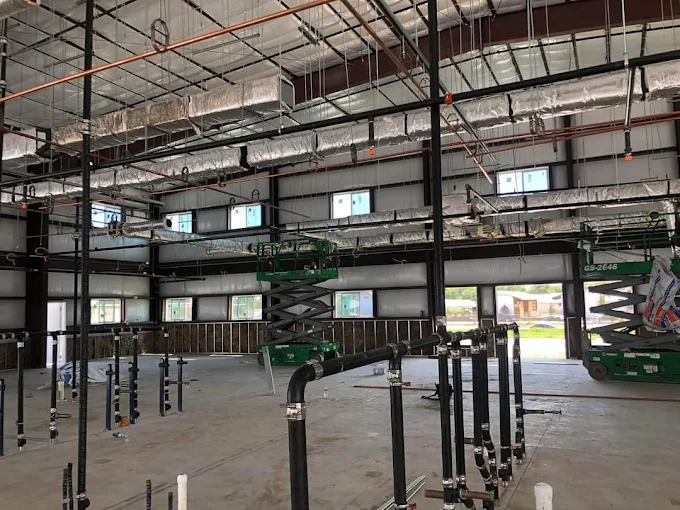
Warehouses and offices share the same basic HVAC equipment—yet they behave very differently. Warehouses often have higher air exchange, dust load, and door openings. Offices tend to have more zoning complexity and comfort sensitivity. A good commercial maintenance visit accounts for both.
1) Maintenance is about airflow and system performance—not just “cleaning”
Dust buildup and restricted airflow are common in commercial spaces. When airflow drops, the system can’t move heat or humidity properly. That shows up as:
- Short cycling (on/off cycles that seem too frequent)
- Hot or humid rooms that never fully stabilize
- Higher energy use and uneven temperatures
2) Heating safety checks matter as much as comfort
Commercial heating systems are built for reliability. During seasonal visits, technicians should verify the equipment is operating safely and efficiently. If you’re seeing repeat heating failures or inconsistent output, a maintenance inspection helps identify the cause early—before it becomes an emergency.
3) “Tune-up” should be paired with inspection and verification
A furnace tune-up or AC tune-up without verification can miss issues that only appear under real operation (like load changes, airflow problems, or control faults). The best maintenance visits include performance checks and practical adjustments based on what the system is actually doing.
4) Commercial maintenance plans protect schedules, not just equipment
When you run a warehouse or office, the cost of downtime is often greater than the cost of prevention. A maintenance plan helps you schedule work during lower-demand windows and reduces the risk of last-minute repairs during peak production or business hours.
| Maintenance Focus Area | What We Look For | Why It Matters for Warehouses & Offices |
|---|---|---|
| Airflow & filtration | Filter condition, airflow restrictions, fan operation, ductwork airflow pathways | Maintains comfort and reduces strain that leads to premature wear |
| Cooling performance | System checkup signals, component cleanliness, thermostat/control response | Helps prevent AC not cooling and AC blowing warm air complaints |
| Heating safety & operation | Safety checks, ignition/burner operation verification, performance indicators | Prevents unsafe or inconsistent heat demand response |
| Preventative diagnostics | Documented findings, trend notes, next-step recommendations | Targets repairs before small problems turn into shutdowns |
Want a maintenance-focused inspection in Dallas or Richardson?
TemperaturePro helps commercial customers keep rooftop units, offices, and warehouse comfort systems running reliably with practical maintenance support and targeted next steps. If you’re dealing with HVAC maintenance service needs, we can help you choose the right approach.
Call (469) 275-1624Why This Matters in Dallas, TX
Dallas summers are a real test for commercial cooling. High humidity and long operating hours mean systems work harder than many facilities expect. In warehouses, the problem is often compounded by:
- Door openings that increase indoor load
- Dust and airborne debris that collect on outdoor units and inside components
- Uneven usage patterns between office areas and production zones
In our firsthand experience servicing Dallas-area commercial properties, the most expensive “surprise” failures often show up after a season of minor performance issues. By the time a system is blowing warm air or you’re seeing repeated cooling complaints, the unit has typically been operating with reduced efficiency and increased stress for weeks.
If your facility needs an ongoing approach, explore commercial HVAC services to see how maintenance and repair planning fit together for real-world buildings.
Common Mistakes to Avoid
These are the mistakes we see most often when commercial customers try to handle HVAC issues without a maintenance plan.
- Waiting for a full breakdown: A system that’s already struggling (cycling more than normal, humidity issues, or warm air) usually needs inspection before it fails under load.
- Only changing filters, never checking performance: Fresh filters help, but airflow restrictions and component wear can still develop. Maintenance is more than filter replacement.
- Ignoring early warning signs: Odd sounds, irregular temperature swings, and recurring “AC not cooling” calls are signals that should be addressed during routine service windows.
- Not aligning maintenance to how the building is used: Warehouses with high door traffic and offices with zoning differences often need a different maintenance emphasis than a typical home.
Customer Checklist
Use this quick checklist to prepare for a commercial HVAC maintenance visit and to keep your building’s system on track between service calls.
Commercial HVAC Maintenance Checklist (Warehouses & Offices)
- Confirm last service date and whether any repairs were performed previously (if known).
- Check filters: install dates, correct size/type, and visible loading (especially in dusty areas).
- Review thermostat settings and schedules (after hours drift can create unnecessary load).
- List symptoms: AC not cooling, AC blowing warm air, uneven zones, frequent cycling, or unusual noise.
- Identify any areas impacted by high humidity or airflow concerns (loading docks, conference rooms, warehouse aisles).
Important: If you’re currently experiencing emergency furnace repair or emergency AC repair conditions (for example, complete loss of heating or cooling during operations), prioritize safety and immediate response. In those cases, it’s best to call TemperaturePro directly at (469) 275-1624 so we can discuss your situation.
Frequently Asked Questions
How often should a warehouse or office schedule commercial HVAC maintenance?
Most commercial facilities benefit from seasonal maintenance timed to their highest-demand periods—typically cooling-focused service before the peak heat season and heating-focused service before colder months. If your building runs long hours, has frequent door openings, or operates in dusty environments, you may need more frequent attention to airflow and component cleanliness. A maintenance visit also helps you adjust the schedule based on what the system is actually doing, not just the calendar.
What’s the difference between furnace service and furnace maintenance?
In practical terms, furnace maintenance is routine inspection and preventive work aimed at keeping the system reliable and efficient. Furnace service can include maintenance plus troubleshooting and repairs when performance problems show up. If you notice symptoms like poor heating output or repeated heating issues, you may need maintenance plus targeted HVAC repair steps rather than a basic “check only” visit.
Can I handle AC maintenance myself for a commercial building?
You can help with some basics—like replacing filters and keeping outdoor units clear of obstructions—but most commercial maintenance should be handled by a technician. Performance checks, safety verification, and system diagnostics require proper tools and experience. DIY work can also miss hidden issues such as airflow problems, control faults, or component wear that only shows up under operating conditions.
How do I know if we should repair or plan for replacement?
Repair vs replace usually depends on how the system is performing and how often problems recur. If a unit has repeated failures, persistent comfort issues, or significant efficiency loss, it may be time to evaluate replacement options. A professional inspection helps identify whether repairs are addressing the real cause or only treating symptoms. If replacement becomes the best path, you can also discuss options like AC installation and system upgrades that better match your building’s workload.
What should we expect during a commercial HVAC inspection?
A quality inspection focuses on the equipment’s actual operation: airflow conditions, cooling/heating performance indicators, component cleanliness, and controls behavior. The tech should document findings and explain what needs attention now versus later. For facilities managers, the goal is clarity—so you can plan repairs without guessing and avoid downtime surprises.
Ready to Get Help From TemperaturePro?
If your warehouse or office is experiencing comfort swings, frequent cycling, humidity issues, or heating/cooling reliability problems, a maintenance-focused inspection is often the fastest way to regain control. TemperaturePro supports commercial customers in Dallas, TX and Richardson, TX with practical HVAC maintenance and repair planning designed around real building operation.
Schedule a commercial HVAC maintenance visit
TemperaturePro helps you choose the right next step—whether that’s furnace tune-up, AC inspections, preventative HVAC maintenance, or planning for HVAC replacement when it’s the smarter move.
Explore Commercial HVAC ServicesAbout TemperaturePro
TemperaturePro helps customers in Dallas, TX and surrounding areas with HVAC maintenance, HVAC repair, and HVAC installation support for homes and commercial properties. Our approach focuses on practical inspections, targeted troubleshooting, and clear recommendations—so you can address problems early, avoid unnecessary downtime, and keep heating and cooling equipment operating safely and efficiently.