Commercial HVAC Maintenance Cost and Value Explained
If your building’s heating or cooling is starting to feel “iffy,” you are not alone. This guide explains what drives commercial HVAC maintenance costs, what value looks like in real day-to-day operations, and how to get a plan that fits your Dallas, TX property.
Last month, the thermostat in your Dallas, TX office struggled to hold temperature after lunch. The system ran longer than usual, but the comfort stayed inconsistent. A service call fixed the immediate issue, yet the question lingered: “How much should we be spending on maintenance instead of reacting to problems?”
Commercial HVAC maintenance can look like a cost center until you connect it to comfort, uptime, and the type of failures you are trying to prevent. This guide will help you understand what typically affects maintenance pricing, how to evaluate value beyond the invoice, and what to ask before you commit.
- Quick answer
- What to check first
- Main things customers should understand
- Why this matters in Dallas, TX
- Common mistakes to avoid
- Customer checklist
- Frequently asked questions
Quick Answer
Commercial HVAC maintenance cost is mostly driven by system type, how many units you have, and what condition the equipment is already in. The best “value” is usually fewer comfort complaints, steadier operation through seasonal demand, and catching safety and performance issues before they turn into disruptive repairs. If you are planning annual service, start by confirming what your system needs (for example, tune-ups, inspections, and any required cleaning) and schedule it before Dallas weather swings peak. TemperaturePro can help you map maintenance to your actual equipment.
What to Check First
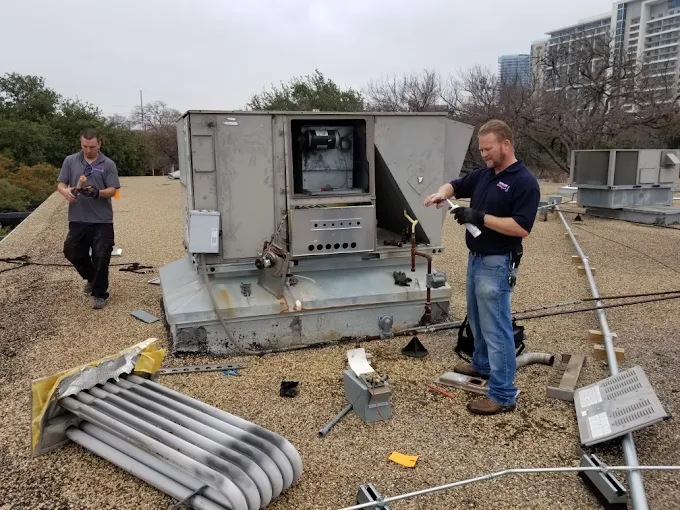
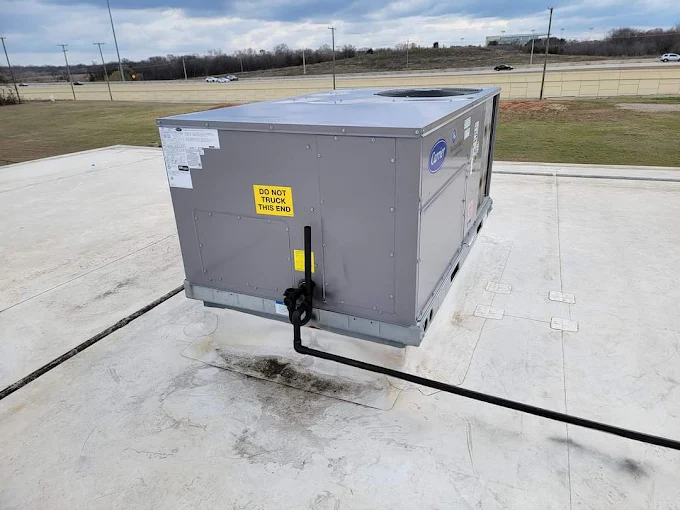
Before you compare maintenance prices, gather the details that determine scope. In Dallas, TX, it is common to see systems that have been “patched” during busy seasons. Your first step is to confirm what you have: unit type (including rooftop or package units), fuel source where relevant, and whether you are dealing with comfort swings or specific failure patterns like inconsistent cooling or heating that will not start.
Then check the simple operational signals that often lead to maintenance recommendations: recurring temperature complaints, increased run time, unusual noises, poor airflow, or any signs of airflow restriction. If you already know the system is due for furnace maintenance or AC maintenance, use that as your baseline for scope and scheduling rather than waiting for another breakdown.
Comfort consistency
Look for hot or cold spots, uneven airflow, or rooms that lag behind the thermostat setting.
Operational changes
Notice if the system cycles more often, runs longer, or struggles during peak hours.
Safety signals
Any furnace safety concerns should be addressed through proper inspection and service before further operation.
Main Things Customers Should Understand
Commercial HVAC maintenance value is easier to see when you understand what affects both the work and the risk. Maintenance is not one single task for every building. Scope and frequency should match your equipment, usage patterns, and the issues you are trying to prevent.
Professional observation: In many Dallas, TX commercial buildings, the biggest “cost surprises” do not come from routine upkeep. They come from equipment that has been operating with reduced performance for months, so the eventual repair is larger than it needed to be.
| Maintenance factor | What it impacts | How it shows up as value |
|---|---|---|
| System type and number of units | How many components need inspection and tuning | Consistent comfort across zones and fewer “one unit at a time” surprises |
| Current condition | How much cleaning, adjustment, or corrective work is needed | Maintenance that reduces the chance of recurring breakdowns |
| Seasonal scheduling | Preventive readiness before peak heating or cooling demand | Lower risk of performance drops during Dallas temperature swings |
| Inspection and safety focus | Equipment operation and safe performance checks | Peace of mind that the system is operating as intended |
Where “maintenance” usually fits in the bigger HVAC picture
Maintenance typically includes a mix of inspections, cleaning, and adjustments. For example, furnace service can include inspection and cleaning steps tied to safe operation, while AC inspections and tune-ups focus on cooling performance. If your building also uses heat pumps or needs work related to ductwork and airflow, the value discussion should include those system interactions too.
If you are comparing options, it helps to think in categories: preventive work (keeping performance steady) and corrective work (fixing issues found during inspections). A good maintenance plan clarifies both, so you are not guessing what is included each visit.
Why This Matters in Dallas, TX
In Dallas, TX, commercial buildings often cycle through heating and cooling demands that can stress equipment. That makes inspections and maintenance more than a checkbox. When systems are ready before peak demand, you are less likely to see comfort complaints, higher energy use from struggling components, or sudden operational failures during busy weeks.
For many property types in and around Dallas, routine attention to airflow and system performance matters just as much as the “big parts.” If you have multiple tenants, frequent door openings, or areas with different usage patterns, your HVAC maintenance plan should reflect those realities. TemperaturePro provides commercial HVAC work designed around how buildings actually operate.
Local comfort tip: If your Dallas, TX building has consistent complaints in the same rooms, ask whether maintenance is addressing airflow and system checkup items, not just replacing parts after failure.
Common Mistakes to Avoid
Customers usually do not skip maintenance because they do not care. They skip it because they do not have a clear picture of what maintenance is supposed to accomplish. Here are a few mistakes that tend to show up in commercial HVAC planning.
- Waiting for a breakdown and calling maintenance “too expensive.” Repairs are often bigger when problems have been developing over time.
- Choosing a plan by price alone without confirming scope. Two maintenance visits can cost differently because one is actually addressing the equipment condition and safety checks.
- Ignoring airflow and ductwork issues that can make the HVAC system work harder than it should. If indoor air quality is affected, it can also change how people experience comfort.
- Not aligning schedules with seasonal demand, which increases the chance that you find out you need service during peak heating or cooling weeks.
If you are already dealing with performance problems like uneven cooling or heating that will not start, maintenance conversations should include the difference between troubleshooting and preventive service. For additional context on how repairs connect to performance, you can explore commercial HVAC services.
Customer Checklist
Use this checklist before you schedule commercial HVAC maintenance in Dallas, TX. It keeps the conversation practical and ensures you are evaluating scope, not just the invoice.

- Confirm how many HVAC units and zones are included in the plan.
- Ask what inspections are performed and what safety checks are part of the visit.
- Clarify whether the visit includes cleaning and adjustments, not only visual checks.
- Identify recurring comfort issues (for example, rooms that are always too hot or too cold).
- Review any recent repair history so maintenance can address the root cause, not only symptoms.
- Plan timing ahead of peak heating or cooling demand in Dallas, TX.
Representative Scenario
A small retail property in Richardson, TX (part of the Dallas area) noticed that the AC ran longer on warm afternoons, but customers still complained about inconsistent cooling near the front windows. The building owner opted to schedule commercial AC maintenance rather than waiting for another service call. During the inspection and tune-up process, the team identified issues that were affecting performance and addressed them as part of the maintenance visit. The result was steadier comfort and fewer “temporary fixes” that had been happening each season.
Frequently Asked Questions
These answers focus on how customers typically think about commercial HVAC maintenance cost and value in Dallas, TX.
What drives the cost of commercial HVAC maintenance most?
Commercial HVAC maintenance cost is usually driven by scope. That includes how many units you have, what type of equipment they are (for example, rooftop or package units), and how much attention the system needs based on its current condition. Timing also matters. Scheduling service before peak heating or cooling demand helps reduce the chance that maintenance turns into emergency repairs. If you want the best value, ask for a clear list of what the visit includes so you can compare plans apples-to-apples.
Is maintenance only for preventing breakdowns?
Maintenance is more than “keeping the system from failing.” It is also about keeping performance steady and reducing recurring issues that cause comfort complaints. A good maintenance visit typically includes inspections, cleaning, and adjustments that support safe operation and consistent airflow. Over time, that can reduce the likelihood of repeated troubleshooting visits for the same underlying issue. If your building is experiencing heating or cooling problems, maintenance should also help identify what is causing the symptoms.
How often should we schedule HVAC maintenance for a commercial building?
Many commercial properties schedule service on an annual cycle that aligns with heating and cooling seasons. The right frequency depends on equipment condition, how heavily the system runs, and how critical comfort is to your business. If your building has frequent temperature complaints or has needed repairs after previous seasons, you may benefit from more targeted maintenance timing. TemperaturePro can help you match maintenance scheduling to your system and operational needs in Dallas, TX.
Can maintenance help with indoor air quality concerns?
It can, especially when maintenance includes airflow-related checks and cleaning tasks. If comfort complaints include stuffiness or air that feels uneven, the HVAC system may be contributing through airflow restriction or other performance issues. For buildings where indoor air quality is a concern, it can also make sense to discuss related service areas like duct cleaning or other indoor air quality support. If you suspect airflow problems, start with a maintenance-focused inspection so you understand what the HVAC system can address.
What should we do if our furnace or AC is already acting up?
If you are seeing symptoms like heating that will not start or cooling that will not hold steady, treat it as a troubleshooting situation first. Then use maintenance to prevent repeat issues. Maintenance visits are most effective when they are informed by what the system is doing right now. TemperaturePro can help evaluate whether you need furnace repair, an inspection, or maintenance service based on the equipment condition and the specific symptoms you are seeing.
Want a maintenance plan that matches your equipment?
If you are trying to budget for commercial HVAC maintenance in Dallas, TX, a clear scope is the fastest way to understand value. TemperaturePro can help you identify what your system needs and connect it to practical next steps.
Talk to TemperatureProFinal CTA
If your building is starting to show temperature inconsistency or the system is running longer than it used to, do not wait for the next seasonal spike. A maintenance-first approach helps you reduce repeat issues and keep comfort steady through Dallas weather changes. For furnace-focused service, you can also review furnace tune-up options, and for cooling inspections, consider AC inspections.
Schedule HVAC maintenance in Dallas, TX
Call TemperaturePro to discuss your commercial HVAC maintenance needs and what a value-focused plan should include.
(469) 275-1624
TemperaturePro
TemperaturePro provides HVAC heating and cooling services for customers across Dallas, TX and nearby areas like Richardson, TX. If you are looking for furnace repair, furnace maintenance, AC repair, AC maintenance, inspections, or commercial HVAC support, our goal is to help you keep systems running reliably through changing seasons.