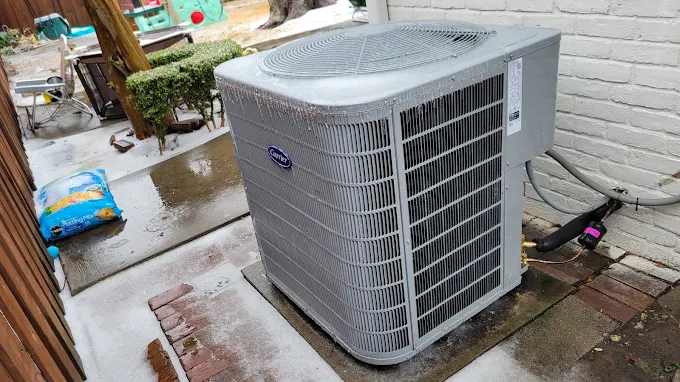
What Does HVAC Repair Cost and What Impacts Pricing
If your furnace is acting up in Dallas, TX, the biggest question is usually not “can it be fixed,” but “why does the cost vary so much?” This guide explains the real drivers behind furnace repair and heating service pricing, what to check first, and how to make sure you are comparing apples to apples when you call for help.
Last week, the thermostat in your home in Dallas, TX asked for heat, but the furnace sounded like it was starting and then stopped. Or worse, it ran but the rooms never warmed up. At that point, you are stuck weighing a few things at once: whether it is a quick furnace troubleshooting issue, whether it is something safety-related, and what “HVAC repair” might realistically cost.
This guide helps you understand what typically drives furnace repair pricing, what you can check before service arrives, and how to decide between furnace service, a furnace tune-up, or furnace system replacement when the underlying problem is bigger than one repair. You will also get a practical customer checklist you can use to prepare for a Heating Repair visit with TemperaturePro.
- Quick answer
- What to check first
- Main things customers should understand
- Why this matters in Dallas, TX
- Common mistakes to avoid
- Customer checklist
- Frequently asked questions
Quick Answer
HVAC repair costs vary mainly because heating issues fall into different categories: routine maintenance items, component repairs (like burners, igniters, blowers, or safeties), electrical controls, or ductwork problems that affect airflow. Pricing also changes with the type of furnace (gas furnace repair versus electric furnace repair), how difficult it is to access parts, and whether the system needs testing beyond a first inspection. A practical step is to schedule furnace service so a technician can diagnose the cause and explain repair vs. furnace system replacement options before work begins.
What to Check First
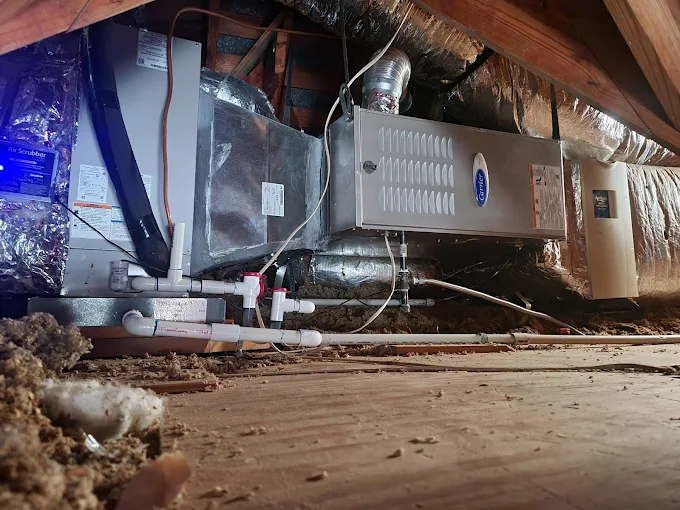
If your furnace is not heating or is blowing cold air, start with the easiest checks that do not require tools. Confirm the thermostat is set to “Heat,” the temperature is calling for operation, and the furnace power switch (and any breaker) is not tripped. Then listen for key behavior: does the furnace try to start, does it cycle repeatedly, or does it run but never produces warm air? These observations help narrow down whether you are dealing with ignition, a blower issue, airflow restrictions, or a furnace safety inspection item.
Main Things Customers Should Understand
When people ask about furnace repair cost, they are usually comparing estimates across different situations. The truth is that “heating repair” can mean anything from a simple furnace cleaning item to a deeper gas furnace repair that involves ignition and safety controls. Below are the most common pricing drivers customers run into with heating service.
1) The specific failure type
Is the furnace not heating at all, or is it heating but performing poorly? A furnace that fails to start often points to ignition or a safety switch. A furnace that runs but blows cool air can point to airflow problems, a blower issue, or something that prevents proper heat transfer.
2) Furnace fuel type and controls
Gas furnace repair and electric furnace repair typically involve different components and diagnostic steps. Gas systems can require checks related to combustion and ignition, while electric systems may involve heating elements, controls, or related electrical diagnostics. That difference alone can change the time and parts involved.
3) Accessibility and system condition
Two homes can have the same symptom, but one system may have easier access to the blower compartment or burners. Also, older systems or those with recurring issues may require more testing to confirm what is actually causing the problem.
Professional observation: In Dallas, TX homes, the most common “surprise” during furnace service is that a comfort problem is not only a heating problem. Restricted airflow, dirty components, or ductwork issues can make a furnace look like it needs replacement when the real fix is restoring proper airflow and combustion performance.
Decision table: repair vs. maintenance vs. replacement
| What you notice | Most likely service category | What affects the final cost |
|---|---|---|
| Furnace not heating, no warm air after a call for heat | Furnace repair (diagnosis + component checks) | How far the diagnostic needs to go, which safety or ignition components are involved |
| Furnace blowing cold air, cycles on and off | Heating repair focused on airflow and controls | Whether the blower, limit/safety behavior, or airflow restrictions need attention |
| System runs but performance is inconsistent | Furnace tune-up and furnace maintenance service | How much cleaning and adjustment is needed, plus inspection findings |
| Repeated failures or system age with multiple issues | Furnace system replacement evaluation (option review) | Whether the likely fixes keep adding up versus a full upgrade path |
If you want to compare options before a repair visit, TemperaturePro can help you think through what the symptom points to. For example, if you are seeing persistent heating issues, reviewing a furnace repair service path may be the most direct starting point. If the system is mostly functional but needs improved reliability, a furnace tune-up approach may make more sense.
Why This Matters in Dallas, TX
Dallas, TX customers often notice heating problems at the edges of seasonal shifts. When temperatures swing, furnaces that have been idle for months can reveal issues that were “hiding” during milder weather: dust buildup, minor component wear, or airflow changes. That is why furnace inspections and furnace maintenance service are not just about comfort. They help catch small issues before they turn into furnace troubleshooting calls during the coldest evenings.
Local checklist reminder: Before the first real cold snap, schedule a furnace inspection so airflow, safety behavior, and heating performance are verified under real operating conditions.
Common Mistakes to Avoid
People usually do not intentionally cause extra cost, but a few patterns can increase the time required for heating service or lead to unnecessary work. Avoid these common mistakes if you are trying to get a fair, accurate diagnosis.
- Restarting the system repeatedly without noting behavior: If the furnace is cycling due to a safety or control issue, quick restarts can muddy the diagnostic picture.
- Ignoring “blowing cold air” complaints: A furnace that runs but fails to deliver warm air often points to airflow or component issues, not just thermostat settings.
- Assuming maintenance will fix a failure: A furnace tune-up can help, but if the system is not heating or shows safety-related behavior, you typically need furnace repair and proper furnace safety inspection steps.
- Comparing estimates without understanding the cause: Two different problems can both be described as “the furnace is broken,” but the required parts and testing time are not the same.
Customer Checklist
Use this quick checklist before you call TemperaturePro. It helps your technician focus on the right furnace troubleshooting path and can reduce the back-and-forth during the Heating Service visit.
- Confirm the thermostat is set to “Heat” and is actually calling for heat
- Note what the furnace does: tries to start, cycles repeatedly, runs but blows cold air, or stays off
- Check for tripped breakers or a furnace power switch that is off
- Record any visible lights or error indications (if your system shows them)
- Pay attention to airflow: do you feel weak airflow from vents during the call for heat?
- Make a short list of when the problem started and whether it is getting worse
- If you have access, replace/confirm thermostat batteries (if applicable)
Representative scenario (what pricing often reflects)
For example, a Dallas homeowner reports that their furnace starts, the blower runs, and then the system shuts down before the home warms up. The technician verifies thermostat signals, inspects airflow and blower function, and checks furnace safety behavior during operation. In this situation, the cost is often driven by diagnostic time and the specific component involved, not just the fact that “the furnace won’t heat.” After testing, the technician can explain whether the fix is a repair, whether additional furnace inspections are warranted, or whether a furnace system replacement evaluation makes sense if multiple issues are present.
Need help figuring out your heating repair cost drivers?
If you are dealing with Furnace Not Heating, Furnace Blowing Cold Air, or a system that cycles, TemperaturePro can help diagnose what is actually causing the issue. Bring your observations from the checklist and we will walk through the repair path that fits your situation.
Contact TemperatureProFrequently Asked Questions
Why does furnace repair cost more in some situations than others?
Pricing usually changes based on what the problem turns out to be. A furnace that will not start can involve ignition or safety controls, while a furnace that runs but blows cold air can involve airflow, blower behavior, or other system-related causes. The amount of testing and the specific parts involved matter as much as the symptom description.
Is emergency furnace repair always required when the heat fails?
Not always. If the furnace is not heating, it is still worth scheduling Heating Repair promptly so the issue does not get worse. However, the right next step depends on what the furnace is doing during the call for heat, whether it shows safety-related behavior, and how your home is affected. A technician can guide the repair path after diagnosis.
What is the difference between a furnace tune-up and furnace repair?
A furnace tune-up and furnace maintenance service are typically aimed at improving reliability and performance when the system is already functioning. Furnace repair focuses on correcting a specific malfunction, such as a failure to heat, improper cycling, or other heating system faults. If your system is not heating or is blowing cold air, repair and furnace safety inspection steps are usually the starting point.
Does ductwork affect heating repair pricing?
Yes. Even if the furnace itself is working, ductwork problems can reduce airflow and prevent warm air from reaching living spaces. If airflow is weak, the technician may need to inspect how air is moving through the system. That can influence the time spent diagnosing and what type of work is recommended, especially if ductwork repair or duct-related issues are contributing to the comfort problem.
When should I consider furnace inspections or furnace maintenance plans instead of repeated repairs?
If you are seeing recurring issues, a more thorough furnace inspection can help identify root causes that a quick fix might not address. Regular furnace maintenance can also help prevent small performance problems from turning into breakdowns. If multiple repairs are piling up, you may also want an evaluation of furnace replacement or a furnace system replacement option to avoid repeating the same troubleshooting cycle.
Ready to get clarity on your heating service options?
Contact TemperaturePro for furnace troubleshooting and heating service in Dallas, TX. If the situation calls for a repair, you will get a focused diagnosis. If it points toward broader maintenance or furnace replacement, you will know what the technician recommends and why.
(469) 275-1624
TemperaturePro
TemperaturePro provides HVAC heating services for Dallas, TX homeowners and businesses, including nearby Richardson, TX. Whether you need furnace repair, furnace tune-up, furnace inspections, or heating repair focused on performance and safety, our goal is to help you understand the issue and choose the right next step.
Learn more about furnace inspections or explore furnace maintenance service when you are planning ahead for the season.