
If your air conditioner is running but not keeping up, the quickest path back to comfort starts with the right checks. This guide walks through the most common causes of weak or missing cooling in Dallas, TX, so you can narrow down what to look for and when to call TemperaturePro.
It is 90-plus degrees in Dallas, and you set the thermostat to a comfortable temperature. The AC turns on, but the air coming out feels lukewarm, or the system cycles on and off without actually cooling the house. By the time you notice the pattern, the rooms closer to the vents feel better than the rest, and you start wondering what could be wrong.
This guide helps you understand the most likely reasons your central AC is not cooling the way it should, what you can safely check right away, and what TemperaturePro technicians typically look for during a repair visit. You will also get a practical checklist to speed up troubleshooting and reduce repeat issues.
- Quick answer
- What to check first
- Main things customers should understand
- Why this matters in Dallas, TX
- Common mistakes to avoid
- Customer checklist
- Frequently asked questions
Quick Answer
If your AC is not cooling, start with the thermostat settings, air filter condition, and whether the outdoor unit is running. If the system runs but airflow is weak, the air is warm, or you notice unusual smells, freezing, or repeated cycling, schedule an AC Repair with TemperaturePro. A professional inspection helps identify the root cause, such as airflow restrictions, refrigerant-related issues, or electrical/control problems, instead of guessing. For the fastest comfort restore, call sooner rather than waiting for the system to fail completely.
What to Check First
Before you call for help, you can narrow the problem down with a few safe, homeowner-level checks. These do not replace a proper inspection, but they help you describe the issue accurately and avoid unnecessary trial-and-error.
Confirm thermostat settings
Make sure the mode is set to Cool, the fan is not stuck on On when you expect it to cycle normally, and the temperature setting is below the current room temperature.
Check airflow
Replace a very dirty filter and confirm supply vents are not blocked by furniture, curtains, or stored items. Weak airflow often makes cooling feel “stuck.”
Look outside at the system
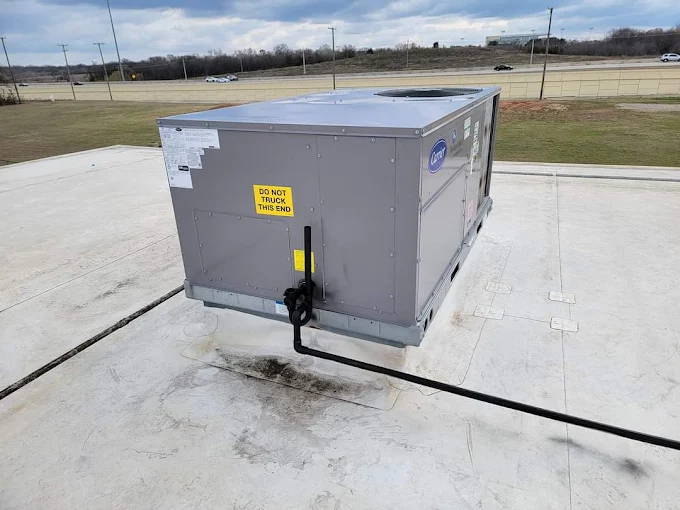
If the outdoor unit does not start, you may be dealing with an electrical or control issue. If it runs, note whether you hear normal fan sounds and whether anything looks iced over.
Professional observation: In Dallas heat, many “AC not cooling” calls turn into an airflow problem. When airflow is restricted, the indoor coil can get too cold, and the system may cycle or struggle to remove humidity. That is why filter condition and vent airflow are often the first clues.
Main Things Customers Should Understand
Once you have confirmed the basics, the next step is understanding the common cooling failure points. Central AC systems rely on coordinated airflow, electrical power, and proper refrigerant operation. When one part falls out of balance, the whole system feels weak.
Here are the most frequent categories behind slow or missing cooling:
1) Airflow restrictions
Dirty filters, blocked return grilles, closed dampers, or restricted ductwork can reduce the amount of air moving across the indoor coil. When airflow drops, cooling performance suffers and the system can behave inconsistently.
2) Refrigerant-related symptoms
If the system is low on refrigerant due to a leak or another issue, cooling capacity drops and the indoor coil may freeze or frost in some conditions. Refrigerant handling requires proper tools and training, so this is not a DIY fix.
3) Electrical and control problems
Thermostat wiring, contactors, capacitors, and other electrical components can cause the system to short-cycle or run inefficiently. Even when the outdoor unit “tries” to start, the system may not sustain cooling properly.
4) AC maintenance gaps
Over time, normal wear and seasonal buildup can affect performance. A tuned-up, properly maintained system tends to cool more consistently, while neglected maintenance can increase the odds of interruptions and uneven comfort.
| What you notice | Most likely category | What to do next |
|---|---|---|
| Air is warm at the vents | Refrigerant-related or control issue | Schedule an AC repair inspection |
| System runs but airflow is weak | Airflow restriction or blower issue | Check filter and vents, then request service |
| Outdoor unit is not starting | Electrical/control problem | Have a technician test system operation |
| Frost or ice on indoor coil | Airflow restriction or refrigerant imbalance | Stop running and call for diagnosis |
| Frequent on-off cycling | Control, airflow, or safety protection trigger | Get troubleshooting before it worsens |
Why This Matters in Dallas, TX
In Dallas, TX, the cooling load can change quickly as afternoons heat up and humidity rises. A system that might “sort of” keep up during mild days can struggle when the demand spikes. That is why a quick, accurate repair matters. If your AC is borderline, the next heat wave can push it into cycling problems, reduced airflow, or refrigerant-related performance issues.
Local comfort tip: If you notice certain rooms stay warmer than others, it can be airflow balance or duct-related. A technician can help confirm whether the issue is restricted airflow or a system capacity problem, then advise on the next best step.
For homeowners who want to stay ahead of performance drops, seasonal service can also help. If you are preparing for a hotter stretch, consider planning AC tune-ups and routine AC maintenance before issues escalate.
Get your cooling issue diagnosed
If your AC is running but not keeping up, TemperaturePro can help identify the cause and map out the right repair path for your Dallas home.
Call TemperaturePro: (469) 275-1624Common Mistakes to Avoid
When cooling problems show up, it is tempting to try a few quick fixes. Some are harmless, but others can delay the right repair or make the issue worse.
- Continuing to run the AC with freezing/frost: If you see ice forming, running it longer can make the underlying issue worse. Get it checked.
- Replacing parts without confirming the cause: A symptom like warm air can come from multiple categories, including airflow restriction or control issues. Diagnosis first saves time.
- Ignoring airflow basics: A clogged filter or blocked return can reduce cooling performance dramatically, even when the rest of the system is functioning.
- Assuming “it’s the thermostat” every time: Thermostats matter, but so do electrical components and system operation. Verification is key.
- Waiting until the system fully fails: Addressing the problem while the AC still runs can prevent secondary complications.
Customer Checklist
Use this checklist to stay organized before your service visit. It helps TemperaturePro troubleshoot faster and helps you communicate what you are seeing.
- Confirm thermostat mode is set to Cool and temperature is set lower than room temperature.
- Check the air filter: note if it is clogged and replace it if needed.
- Inspect vents and returns for blockages (furniture, rugs, storage, or curtains).
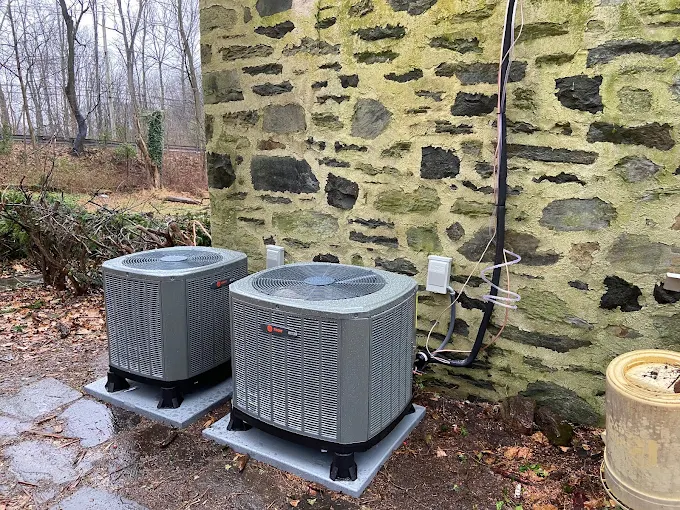
- Observe the outdoor unit: does it start, and does the fan appear to run?
- Note any unusual signs: warm air, weak airflow, repeated cycling, smells, or frost/ice.
- Write down when the problem started and whether it happens all day or mostly during peak heat.
- If you have other HVAC concerns, flag them (for example, heating performance later in the year).
Representative scenario
A homeowner in Dallas notices their AC runs, but the living room cools slower than the bedrooms. The vents blow air, yet it feels warmer than usual. The filter is overdue, and the outdoor unit starts but the system seems to cycle more frequently than before. After replacing the filter, the homeowner still sees uneven cooling and occasional frost near the indoor coil area. TemperaturePro performs an inspection to verify airflow and system operation, then addresses the underlying cooling problem so comfort returns across the home.
Frequently Asked Questions
How do I know if my AC problem is serious enough to call for repair?
If the air feels warm, airflow is weak, the system cycles repeatedly without reaching comfort, or you notice frost/ice, it is a good time to call. These symptoms usually point to a performance or safety-related issue that gets harder to manage the longer you run the system. TemperaturePro can inspect cooling operation, airflow, and controls so you do not waste time on guesswork.
What can cause AC to blow warm air in Dallas, TX?
Warm air can result from restricted airflow, refrigerant-related problems, or electrical/control issues that prevent the system from operating at the correct capacity. In Dallas heat and humidity, airflow and coil conditions matter a lot. Start with thermostat settings and a fresh filter, then schedule an inspection if warm air persists.
Should I replace my air filter before troubleshooting AC repair?
Yes, a filter check is one of the safest first steps. If the filter is very dirty, it can reduce airflow and make cooling feel weak even when the rest of the system works. Replace it and observe whether cooling performance improves. If it does not, the problem likely goes beyond the filter and needs professional diagnosis.
Can an AC tune-up prevent future cooling problems?
Routine service can help maintain consistent performance by addressing wear and seasonal needs before they turn into breakdowns. Tune-ups and maintenance also make it easier to catch developing issues early, such as airflow concerns or components that are trending toward failure. If your AC is currently struggling, a repair visit comes first, then you can plan maintenance for long-term reliability.
What if my system needs more than a repair?
Sometimes the best path involves a system-level decision, especially if the equipment is not restoring comfort effectively. TemperaturePro can evaluate current performance and help you understand options that fit your situation, including AC replacement when repair is no longer the most practical solution. The goal is to restore reliable cooling while keeping your system running safely.
Ready to restore comfort in Dallas?
If your AC is not cooling properly, TemperaturePro can help you get to the real cause and move toward the right repair plan.
Contact TemperaturePro for AC repair
TemperaturePro provides HVAC heating and cooling services in Dallas, TX
TemperaturePro supports homeowners and businesses with practical HVAC solutions, including AC repair, furnace repair, and seasonal maintenance planning for comfort year-round. If your system is not performing as expected, TemperaturePro helps you troubleshoot the issue and choose the next step based on what the equipment is actually doing.
Phone: (469) 275-1624 | Website: temperatureprodallas.com