
If your AC starts up but the house never feels cool, the problem is usually something specific: airflow, refrigerant flow, thermostat behavior, or an outdoor unit issue. This guide helps you narrow down what’s most likely, what you can check safely, and when it’s time to call TemperaturePro for AC repair in Dallas, TX.
Last week, the thermostat showed the system running, but the air coming from the vents felt lukewarm. By evening, it was still not cooling properly, even though the indoor unit sounded like it was trying.
That situation is frustrating because the “on” light can be misleading. This guide will help you understand common causes of AC not cooling, what to check before calling for AC repair, and how to describe the symptoms so a technician can get to the right fix faster.
- Quick answer
- What to check first
- Main things customers should understand
- Why this matters in Dallas, TX
- Common mistakes to avoid
- Customer checklist
- Frequently asked questions
Quick Answer
If your AC stops cooling properly, start with the simplest checks: confirm the thermostat settings, check the air filter condition, and make sure the indoor blower is running when the system is set to cool. If the airflow is weak or the air is blowing warm, the issue is often related to refrigerant charge, compressor operation, condenser airflow, or a control problem. For the fastest path to comfort in Dallas, TX, call TemperaturePro to diagnose the system and recommend the right next step.
What to Check First
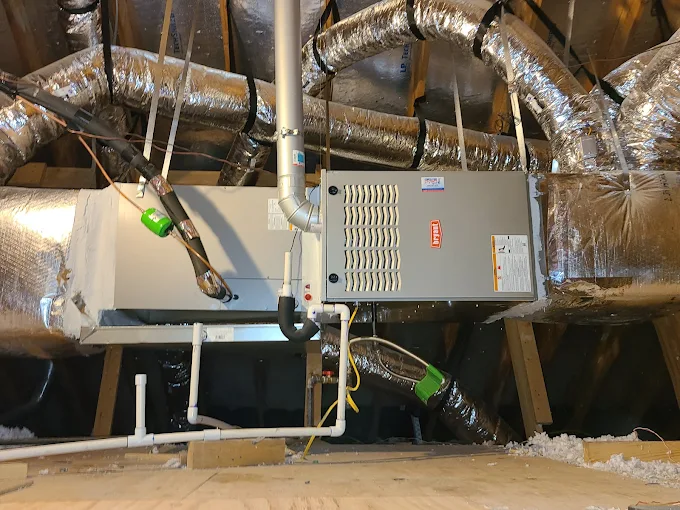
Before troubleshooting deeper, focus on what you can verify without tools. First, check that the thermostat is set to “Cool” and the fan is set to “Auto” (or “On” only if you want to confirm the blower works). Next, inspect the air filter. A clogged filter can restrict airflow, which makes cooling feel weak even when the system is running. Finally, observe airflow from the vents: is it strong and consistent, or noticeably weak?
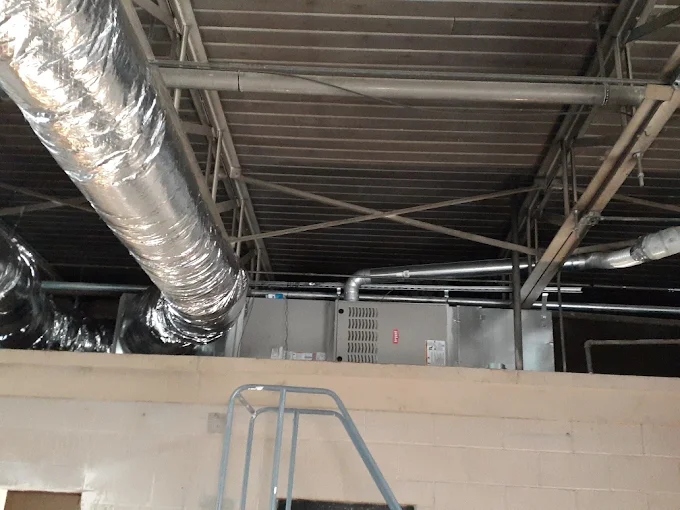
Professional observation: Many “AC not cooling” calls are actually airflow problems. When airflow drops, the system can struggle to move heat out of the home, which makes the temperature change slower and the air feel warmer than expected.
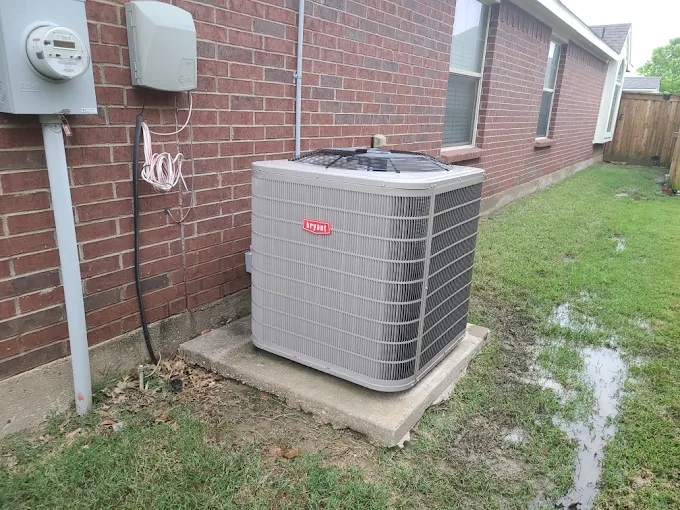
If airflow seems weak, also check for obvious obstructions around the indoor air handler and the outdoor condenser. Remove leaves or debris near the outdoor unit base if it’s blocking airflow. Then, consider whether the problem is intermittent. If it cools for a short time and then stops, that pattern can point to a control or safety cutoff rather than a filter alone.
Main Things Customers Should Understand
When an AC stops cooling properly, the cause typically falls into a few categories. Airflow issues show up as weak vent output, uneven room temperatures, or a “running but not cooling” feeling. Refrigerant-related problems can cause poor temperature drop, warm air at the registers, and reduced cooling performance over time. Electrical and control issues may present as a unit that starts and stops, short cycling, or inconsistent operation. A proper diagnosis checks how air moves, how heat is rejected outside, and whether the system can maintain stable operating conditions.
Airflow
Restricted airflow from a dirty filter, blocked return, or blower issues can make cooling feel weak.
Refrigerant flow
When refrigerant is not circulating properly, the system can’t absorb and reject heat efficiently.
Controls and safety
Thermostat signals, capacitor failures, or safety switches can stop cooling even if the thermostat requests it.
If you suspect airflow, TemperaturePro can help with AC maintenance and AC system checkups that focus on performance basics. If cooling is failing outright, an AC repair visit typically includes verifying operating sequence, checking for symptoms consistent with refrigerant or compressor operation, and confirming airflow targets.
Why This Matters in Dallas, TX
Dallas summers can be intense, and many homes in the area rely on older ductwork, newer thermostats, and a mix of return-air setups. When humidity is high, a system that is just barely performing can feel “off” quickly, even if it’s technically running. Also, dust and pollen accumulation can affect filters and airflow over the cooling season, which is why AC tune-ups and AC inspections become more than routine maintenance in the heat.
Local tip: If you notice the system cools better at certain times of day or only some rooms, it often points to airflow distribution or outdoor unit airflow. A technician can confirm the cause rather than guessing.
| Situation you notice | What it commonly indicates | Most helpful next step |
|---|---|---|
| AC runs, but air is warm or cooling is weak | Airflow restriction, refrigerant-related issues, or compressor/control problems | AC repair diagnosis |
| System cycles on and off quickly | Safety or control interruptions, airflow problems, or component issues | AC system checkup |
| Cooling performance slowly declines over the season | Dust buildup, reduced airflow, or gradual performance loss | AC maintenance or AC tune-up |
| You want to prevent future “not cooling” calls | Potential wear before it becomes a failure | AC tune-ups and inspections |
Common Mistakes to Avoid
When AC stops cooling properly, people often try fixes that delay real troubleshooting. One common mistake is repeatedly resetting the thermostat or power switch without identifying what changed. Another is running the fan continuously to “force cooling” even when airflow is already weak. Some homeowners also replace the filter but skip checking whether the indoor blower and returns are actually moving air. Finally, it’s easy to over-focus on temperature alone and ignore airflow strength, humidity feel, and whether the outdoor unit is rejecting heat properly.
If you’re considering bigger steps like replacement, it’s wise to base the decision on a diagnosis and overall system condition rather than guessing from comfort complaints. TemperaturePro can also help you plan ahead with AC replacement options when repair is not the right fit.
Customer Checklist
Use this checklist to organize what you observe. It helps you explain the problem clearly, and it can reduce the time spent on basic questions during an AC repair visit in Dallas, TX.
- Confirm thermostat mode is set to “Cool” and fan setting is appropriate (Auto is typical).
- Check the air filter and note whether it looks dirty or clogged.
- Observe vent airflow: strong, weak, or inconsistent?
- Note whether air is cool, lukewarm, or warm after the system has run for several minutes.
- Check the outdoor unit area for visible debris blocking airflow.
- Track timing: does the problem start suddenly, or does cooling gradually weaken?
A Representative Scenario (What Often Happens)
A homeowner in Richardson, TX sets the thermostat to cool, and the indoor unit turns on. After 20 to 30 minutes, the vents blow air that feels warmer than usual, and the rooms never reach the set temperature. The filter was due for replacement, and the outdoor unit had a light layer of debris near the intake. Even after changing the filter, cooling remains weak. In a situation like this, the next step is a full AC repair diagnosis to verify airflow targets and check for symptoms consistent with refrigerant flow or compressor operation.
Need AC Repair in Dallas? Get a Proper Diagnosis
When your AC stops cooling properly, the best results usually come from diagnosing the system instead of trial-and-error. TemperaturePro can help you confirm what’s happening and move toward the right fix, whether that’s restoration of airflow, a repair to a cooling component, or additional performance checks through an inspection.
AC Repair Help for Homes in Dallas, TX
Tell us what you’re seeing, and we’ll guide you toward the most practical next step.
Call TemperaturePro: (469) 275-1624Frequently Asked Questions
Why does my AC run but not cool the house?
When an AC runs but doesn’t cool properly, the system is usually failing to move heat out of the home. Common causes include restricted airflow from a dirty filter or blocked return, issues affecting the outdoor unit’s ability to reject heat, or cooling system performance problems related to refrigerant flow or compressor operation. A technician can confirm which part of the system is not meeting targets by checking operating sequence, airflow, and the behavior of key components.
What’s the first thing I should check before calling for AC repair?
Start with the thermostat settings and the air filter. Verify the thermostat is set to “Cool,” and the fan setting is appropriate (often “Auto”). Then inspect the filter. If it’s clogged, replace it and give the system time to respond. Next, check vent airflow strength. If airflow is weak or the air remains warm after the system runs, it’s a good sign you need a professional AC repair diagnosis rather than repeating simple resets.
Could a clogged air filter cause AC to blow warm air?
Yes. A clogged filter can restrict airflow, which reduces the system’s ability to move air across the cooling components. When airflow is limited, the system may still run but produce lukewarm or warm air at the registers. Even if the filter is not the only issue, replacing it is a safe first step that can improve performance. If warm air continues after the filter change, additional troubleshooting is needed.
When should I schedule AC inspections instead of waiting?
If you notice cooling performance changing over time, uneven comfort between rooms, or the system struggling during the hottest parts of the day, an inspection can help catch problems before they fully fail. AC inspections also help confirm airflow and system operation trends so you can plan maintenance or repairs with fewer surprises. If your AC has already stopped cooling properly, prioritize AC repair diagnosis first.
Do you also handle AC replacement if repair isn’t enough?
Yes. If the system’s condition suggests that repair is not the most practical path, AC replacement may be the better long-term solution. The right choice depends on what the diagnosis shows about the cooling components and overall performance. TemperaturePro can help you understand the options and move forward responsibly based on the findings, not guesswork.
Ready to Get Cooling Back to Normal?
When your AC stops cooling properly, you should not have to live with warm air and guesswork. TemperaturePro in Dallas, TX helps homeowners troubleshoot and restore comfort with practical, performance-focused HVAC service.
Contact TemperaturePro for AC Repair
We’ll help you identify what’s causing the cooling problem and what to do next.
Schedule AC Repair
About TemperaturePro
TemperaturePro provides HVAC services in Dallas, TX, including AC repair, AC inspections, and AC maintenance to help keep cooling systems performing when you need them most. If your air conditioner is blowing warm, running but not cooling, or struggling to maintain comfort, TemperaturePro can help you pinpoint the issue and choose the most practical next step for your home.
Explore related HVAC heating services like furnace repair if you’re troubleshooting both heating and cooling performance this season.
Related services you may find helpful:
- AC installation for new system setups
- AC replacement when the system’s condition calls for it
- AC inspections to verify performance and spot issues early
- Furnace tune-up if you’re also maintaining heating performance