If your furnace is acting up in Dallas, TX, the decision usually comes down to more than comfort. This guide helps you separate “fixable” problems from situations where furnace replacement is the smarter, safer long-term move. You’ll learn what to check first, which signs point toward furnace service versus a full furnace system replacement, and how to plan next steps with TemperaturePro.
It starts the same way for a lot of homeowners in Dallas: the heat runs, then stalls. Or the burners light, but the house never warms up. Sometimes the furnace blows cold air, sometimes it cycles on and off, and sometimes it just won’t start when you need it most.
When that happens, you’re usually deciding between another round of Furnace Repair and the bigger commitment of Furnace Replacement. This guide will help you understand the key differences so you can ask better questions, avoid costly repeats, and choose the option that best fits your furnace’s condition and your comfort needs in Texas.
- Quick answer
- What to check first
- Main things customers should understand
- Why this matters in Dallas, TX
- Common mistakes to avoid
- Customer checklist
- Frequently asked questions
Quick Answer
If your furnace has a single, clearly identified issue (for example, a faulty component found during furnace troubleshooting) repair is often the most practical choice. Replacement becomes more likely when problems are repeated, multiple parts are failing, or furnace safety inspection concerns come up that call for broader system work. In Dallas, TX, where temperatures can swing quickly, the best move is to schedule a professional furnace inspection and service call first, then decide based on what’s actually causing the heating problem, not just the symptom.
What to Check First
Before you decide on repair or furnace replacement, gather a few details that help a technician narrow down the cause of the issue. Start with what the furnace is doing (or not doing) and when it started. Then check simple items that can affect operation, like thermostat settings and air filter condition.
When a furnace isn’t heating, it’s easy to jump straight to parts. Instead, note whether the unit is igniting, whether the blower starts, and whether you feel warm air after ignition. Those observations guide whether you’re looking at a gas furnace repair concern, an electric furnace repair issue, or something tied to airflow and burner operation.
Symptom first
Is the furnace not heating at all, blowing cold air, or cycling repeatedly? Each pattern points to different diagnostics.
Airflow matters
Check the furnace filter. A clogged filter can strain the system and contribute to poor heat output.
Thermostat basics
Confirm the thermostat is set to “Heat,” and the target temperature is above room temperature.
Main Things Customers Should Understand
Repair and replacement are not “good” or “bad” decisions on their own. The right choice depends on what’s failing, how many parts are involved, and whether the furnace is operating safely and efficiently after service.
Professional observation: In many Dallas homes, the heating problem isn’t random. When airflow issues, ignition problems, and burner or safety related concerns show up together, it often signals that a focused repair may not be the end of the story.
| Situation you might notice | More consistent with repair | More consistent with furnace replacement |
|---|---|---|
| One clear failure found during furnace service | Replacement of a single component resolves performance | Multiple major components require repeated work |
| Furnace troubleshooting points to a controllable issue | Blower, ignition, or sensor-related problem is isolated | Root cause keeps returning after repairs |
| Safety inspection findings raise broader concerns | Issue is corrected and the furnace operates safely afterward | Safety-related components or system condition suggests a larger overhaul |
| Heat output is weak or inconsistent | Cleaning and maintenance restore airflow and combustion operation | System condition and wear make recurring performance problems likely |
| Frequent cycling or repeated breakdowns | Repairs address the immediate failure and stabilize operation | Ongoing failures indicate a furnace system replacement is the better path |
Where furnace inspections change the decision
A furnace inspection helps separate “symptom” from “cause.” A furnace safety inspection and furnace inspections process can reveal whether the unit can be corrected and operated reliably, or whether deeper system work is needed. That’s especially helpful when homeowners are deciding between furnace repair and furnace replacement near me based on comfort alone.
If your goal is to catch problems early, furnace maintenance and furnace tune-up service can also reduce the chance that a minor issue becomes a shutdown. You can learn more about furnace tune-up options with TemperaturePro.
Why this matters in Dallas, TX
In Dallas, TX, temperature swings can make heating issues feel sudden. A furnace that’s “almost working” may fail to keep up when the weather shifts, which is why a timely furnace service call matters. Humidity and dust can also affect performance over time, especially in homes where filters are overlooked during seasonal transitions.
From a local service standpoint, we often see that the right call depends on how the furnace behaves under real demand. For example, if the unit struggles to deliver warm air during colder evenings, the technician may find a combination of airflow and combustion-related factors that change the repair versus replacement conversation.
If you smell problems
Stop running the furnace and schedule a furnace safety inspection. Safety-related concerns should be addressed before debating cost.
If it won’t run
Get diagnostic furnace troubleshooting before authorizing multiple parts. Clear diagnosis prevents repeat breakdowns.
If it runs but won’t heat
Weak heating can be tied to airflow, burner operation, or system wear. A professional inspection narrows the cause quickly.
Get clarity on repair vs replacement
If your furnace is blowing cold air or not heating reliably, TemperaturePro can help you understand what’s driving the issue and what option makes sense next.
Contact TemperatureProCommon Mistakes to Avoid
Homeowners usually don’t make “bad” choices. They just don’t have enough information. Here are a few mistakes that can push a repair situation toward unnecessary expense or delayed safety attention.
Common mistake: Replacing parts without confirming the root cause can lead to repeated failures. Furnace troubleshooting should match the symptom pattern, not guesswork.
- Ignoring airflow issues. If the filter is clogged or airflow is restricted, the furnace can struggle to heat, even when ignition works.
- Assuming “it’s just a thermostat.” Thermostat problems happen, but furnace not heating complaints often involve ignition, burner operation, or safety control issues.
- Continuing to run an unsafe system. If you notice concerning conditions, prioritize a furnace safety inspection and furnace inspections before deciding on repairs or furnace system replacement.
- Waiting until the unit is totally down. Early furnace maintenance service can prevent minor issues from becoming bigger heating repairs.
Customer Checklist
Use this checklist before the call. It helps your technician diagnose faster and helps you make a more confident furnace repair or furnace replacement decision.
- Write down the exact symptom: furnace not heating, furnace blowing cold air, short cycling, or no ignition.
- Note when it started and whether it happens every cycle or only sometimes.
- Confirm thermostat settings (Heat mode and set temperature) and whether the thermostat is responding.
- Check and note the furnace filter condition (dirty, clogged, or recently replaced).
- Observe whether the blower starts when the furnace tries to run.
- If you have gas furnace repair concerns, note any unusual ignition behavior (like delayed start) without attempting repeated restarts.
- Ask for a clear explanation of the cause and the repair plan, then discuss whether furnace replacement is warranted based on system condition.
A representative scenario (Dallas, TX)
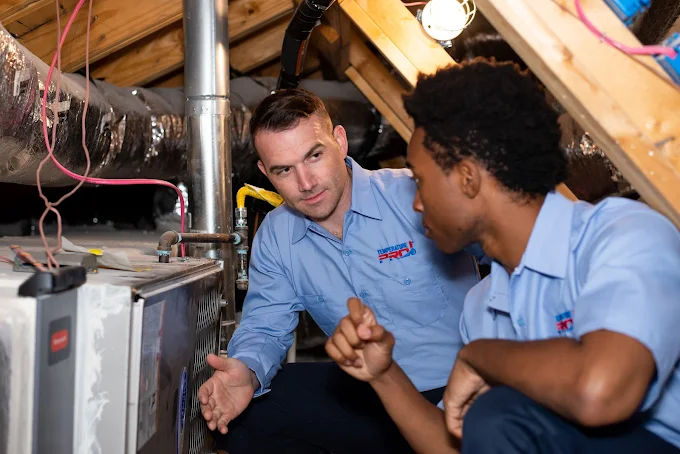
Consider a homeowner in Dallas, TX who reports that their furnace starts but the home never reaches the thermostat setting. Over two weeks, the furnace cycles on and off, and the air coming out feels lukewarm. They change the filter, but the problem continues. After a technician evaluates the system, the diagnosis points to a combination of airflow restriction and a combustion-related issue that affects heating output.
In situations like this, the technician compares repair options against furnace inspections findings and the overall condition of the system. The decision often becomes clearer once the causes are identified, rather than treating each symptom as a separate problem. This is also why a planned furnace maintenance service schedule matters for future seasons.
If you’re also considering long-term heating efficiency improvements, TemperaturePro can discuss furnace installation options. Start with furnace installation when you want a new furnace system replacement approach.
Frequently Asked Questions
Here are the questions we hear most often when homeowners in Dallas, TX are weighing Furnace Repair vs Furnace Replacement.
How do I know if I need furnace replacement or just furnace repair?
You typically need furnace repair when a diagnosis finds a single, fixable component issue and the furnace can operate safely afterward. Furnace replacement is more likely when multiple failures appear, the same problem returns soon after service, or furnace safety inspection findings indicate broader system concerns. The most reliable path is to schedule a furnace inspection and service call so the decision is based on the cause, not only the symptom.
What does “furnace safety inspection” involve?
A furnace safety inspection focuses on whether the system is operating correctly and safely. Technicians review key operating conditions and verify that the furnace functions as intended. If any safety-related issues are found, they should be addressed before you continue using the unit or decide between repair and furnace replacement. In practice, this step helps homeowners avoid repeated breakdowns and reduces uncertainty during the repair versus replacement decision.
Can a furnace tune-up solve furnace not heating problems?
A furnace tune-up and furnace maintenance service can improve performance when the issue is related to wear, minor combustion adjustments, or airflow and cleanliness factors. However, if the furnace is blowing cold air because a component has failed or a safety/control issue is present, a tune-up alone may not resolve the root cause. A technician can determine whether you need furnace service, furnace cleaning, or a more involved repair plan.
Is it common for an old furnace to need repeated repairs?
It can be. As furnaces age, multiple parts may wear out over time. Sometimes one repair temporarily restores function, but the system continues to develop additional issues. When that pattern shows up, it becomes more reasonable to discuss furnace system replacement rather than repeating repairs indefinitely. A professional furnace inspections process helps you compare the repair path against overall system condition and reliability.
Should I call for emergency furnace repair if the unit won’t start?
If your furnace won’t start, the first step is to contact an HVAC heating service professional for diagnosis. Whether it’s truly urgent depends on the situation and any signs of unsafe operation. If you notice concerning conditions or the furnace behavior suggests a safety issue, prioritize getting the system inspected before repeated attempts to restart. TemperaturePro can help evaluate what’s happening and guide you toward the right repair or replacement decision.
Ready for a clear next step?
If you’re dealing with furnace troubleshooting, furnace service decisions, or concerns about furnace replacement near me, TemperaturePro can help you sort out what’s happening and what to do next in Dallas, TX.
(469) 275-1624TemperaturePro in Dallas, TX
TemperaturePro serves Dallas, TX and nearby areas like Richardson, TX with HVAC heating services built around practical diagnosis and careful recommendations. Whether you need Residential Furnace Repair, Furnace Maintenance Service, Furnace Inspections, or help planning Furnace Installation, our team focuses on helping homeowners make confident choices based on the system’s real condition.
TemperaturePro
For heating repair and furnace service questions, reach out through temperatureprodallas.com or call (469) 275-1624.