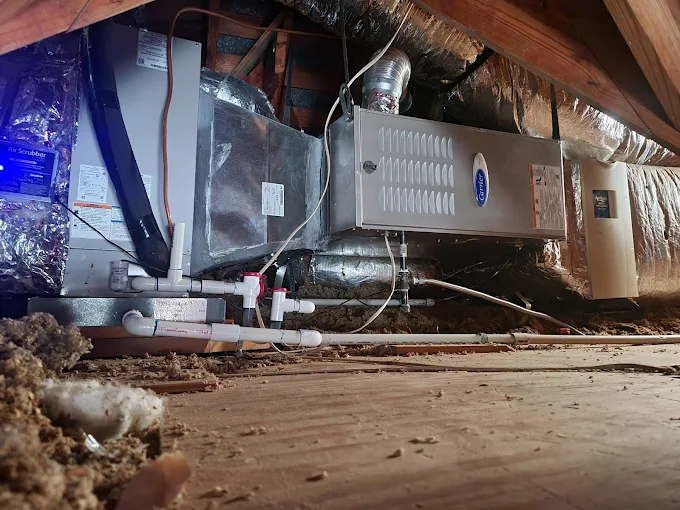
Urgent HVAC Repair for No Heat Or Cooling
If your home in Dallas, TX suddenly has no heat and no cooling, it is usually not “just the thermostat.” This guide helps you narrow down the most likely causes, spot safety red flags, and choose the right next step for furnace repair, AC repair, or HVAC troubleshooting.
It happens fast. One day the system runs normally, and the next day the air feels wrong. Maybe the furnace will not fire, maybe the AC blows but will not cool, or maybe both heating and cooling seem completely dead.
When you are dealing with no heat or no cooling, you want answers you can act on right away. This guide walks you through what to check first, what usually causes failures, and when it is time to call for furnace repair or AC repair in Dallas, TX.
- Quick answer
- What to check first
- Main things customers should understand
- Why this matters in Dallas, TX
- Common mistakes to avoid
- Customer checklist
- Frequently asked questions
Quick Answer
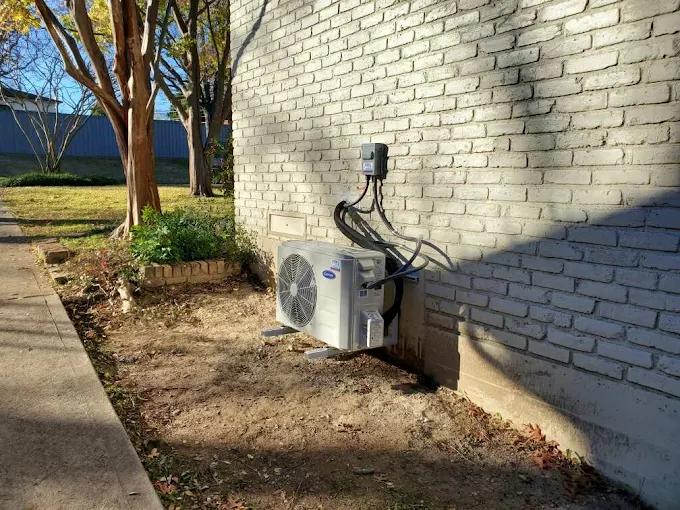
If your home has no heat and no cooling, start with the simplest, safest checks: confirm the thermostat mode is correct, check circuit breakers, and look for obvious shutoffs near the indoor unit and outdoor condenser. If the system still will not run, the cause could be electrical, control-related, or a failed component in the furnace or AC. TemperaturePro can troubleshoot both heating and cooling so you do not waste time replacing parts blindly. Call (469) 275-1624 to get help with HVAC heating services or HVAC repair.
What to Check First
Before you schedule service, take a few minutes to confirm the problem is real and not a simple setting or power issue. In Dallas, TX, quick temperature swings and power interruptions can leave systems in a “no response” state, even when nothing is visibly broken.

1) Thermostat settings
Verify the thermostat is set to Heat when you need warmth and Cool when you need cooling. Also check the setpoint is above room temperature for heat, and below room temperature for cooling. If you have a system switch (often labeled Heat/Cool/Off), confirm it is not set to Off.
2) Power and breakers
Check the breaker panel for tripped breakers. If you recently had storms or an outage, a tripped disconnect can stop the system completely. If the thermostat display is blank, focus on power first.
3) Indoor and outdoor shutoffs
Some homes have a service switch for the AC near the outdoor unit. For heating, there may be a switch or gas shutoff near the furnace. Make sure they are fully in the “on” position. If you smell gas, stop and call a professional immediately.
Professional observation: When both heating and cooling seem dead, the thermostat may be fine and the issue can be upstream. Electrical power, system control boards, and safety switches are common starting points for HVAC troubleshooting.
Main Things Customers Should Understand
Once basic checks do not restore operation, the next step is identifying which system is failing and why. Even though furnaces and air conditioners are separate, they share controls and power pathways, so “no heat and no cooling” can be caused by one underlying issue that affects both.
| Symptom you notice | What it often points to | Next practical step |
|---|---|---|
| Furnace will not heat | Ignition or gas furnace controls, safety switch activation, or furnace airflow problems | Have a technician perform furnace troubleshooting and safety checks |
| Furnace runs but blows cold air | Blocked airflow, a failed sensor, or improper burner operation | Schedule residential furnace repair focused on airflow and control diagnostics |
| AC runs but will not cool | Refrigerant charge issues, condenser or compressor problems, or airflow restrictions | Request AC repair with attention to refrigerant leak repair and system checkup |
| Both heat and cool fail | Thermostat wiring/control power issue or a shared system component that prevents operation | Ask for full HVAC repair diagnostics for both heating and cooling |
If the problem is isolated to heating, you may need furnace repair, furnace service, or a furnace inspection to confirm furnace safety and proper operation. If the problem is isolated to cooling, an AC inspection and AC repair can identify whether the issue is airflow, electrical, or refrigerant related.
For homeowners who want to reduce repeat failures, a scheduled furnace tune-up and annual AC maintenance can help catch worn components before they cause a no-heat or no-cooling situation. If you are trying to decide whether maintenance or repair is the better immediate step, start with diagnostics and safety checks.
Why this matters in Dallas, TX
Dallas, TX homes often have HVAC systems that run hard during seasonal swings, and the region’s heat can expose cooling system weaknesses quickly. When the system is already strained, a minor control or airflow issue can turn into “AC not cooling” or complete shutdown. That is why it helps to diagnose the system as a whole, not just replace one part based on a guess.
Local homeowner tip: If you recently changed filters, moved furniture around vents, or noticed dust buildup, airflow restrictions can cause heating and cooling performance problems. A clogged filter or blocked return vent can also make the system cycle off sooner due to safety protection.
Common Mistakes to Avoid
People usually mean well, but a few missteps can delay repairs or create safety risks. If you are trying to get the system working again, focus on safe checks and avoid actions that make diagnosis harder.
Ignoring thermostat mode
Setting the thermostat to Cool when you need Heat, or setting a setpoint that never crosses room temperature, can look like a major failure. Confirm the mode and setpoint first.
Resetting repeatedly
Constantly flipping breakers or cycling the system can hide the real cause. Some control problems need careful inspection, not repeated power resets.
Forcing operation with a safety concern
If you smell gas or notice signs of electrical burning, do not keep trying. Safety checks come before trying to “make it run.”
If you want a helpful starting point for heating issues, you can review furnace repair to understand how diagnosis typically starts. For cooling problems, TemperaturePro can guide troubleshooting for AC repair based on what the system is actually doing.
Customer Checklist
Use this checklist while you prepare for a technician visit. It helps you communicate the symptoms clearly and gives the service team a faster path to the right HVAC repair plan.
- Confirm thermostat mode (Heat or Cool) and setpoint match the goal
- Check breaker panel for tripped switches and restore if safe to do so
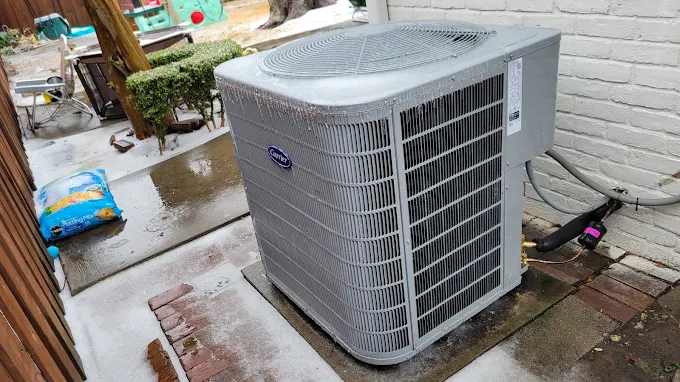
- Look for a system switch near the indoor unit or outdoor condenser
- Note whether the system does anything at all (fan movement, ignition sounds, compressor kick-on)
- Record what happens in both modes (Heat and Cool), even if the results are identical
- Check air filter condition and whether any vents or returns are blocked
- Make a list of any recent changes (thermostat adjustments, power outage, filter replacement)
When you contact TemperaturePro, mentioning what you observed helps us narrow down whether the issue is tied to furnace troubleshooting, AC service diagnostics, or a shared control/power issue.
Representative scenario: “Both modes stopped”
A Dallas homeowner reported that the thermostat display was on, but switching from Heat to Cool produced no response from the system. They had checked the thermostat settings, and they also confirmed the setpoints were correct. The homeowner then noticed the indoor blower would not start in either mode, even though the system usually kicks on within a few minutes.
In this kind of situation, the fastest path is to test the control and power pathway first, then move into furnace and AC components based on what the system is attempting to do. TemperaturePro can help identify whether the issue is furnace-related, AC-related, or a shared component that prevents operation across both modes.
Need help troubleshooting no heat or no cooling?
If your furnace and AC are both acting up, TemperaturePro can help you pinpoint the cause and move toward the right repair path.
(469) 275-1624Frequently Asked Questions
Why would my furnace not heat and my AC not cool at the same time?
When both modes fail, the cause is sometimes tied to shared power or control pathways. For example, a tripped breaker, an off system switch, or a control board issue can prevent the furnace and AC from running even if one component alone might still be functional. That is why a full HVAC repair diagnosis is usually more efficient than focusing on only one system.
What is the safest first step before calling for furnace repair or AC repair?
Start with thermostat mode and setpoint, then check power at the breaker panel. If the thermostat display is blank or the system does not respond at all, power is a common starting point. Also look for any obvious switches near the equipment that may be off. Avoid repeatedly resetting the system if it does not respond, and do not force operation if you notice a safety concern.
How do I know if it is a furnace issue versus an airflow problem?
One clue is what the system does when it tries to run. If the furnace attempts ignition but never produces warm air, it may be a control or burner-related problem. If the furnace runs but air feels cold, airflow restrictions or sensor issues can be involved. A technician can confirm what is happening by checking furnace operation, airflow, and safety controls during furnace troubleshooting.
Can a clogged filter cause both heating and cooling issues?
A clogged filter can reduce airflow and make performance drop in both heating and cooling seasons. It can also cause the system to cycle off due to safety protections if airflow is too restricted. If your filter is dirty or the return/vent is blocked, addressing that can sometimes restore operation. If the system still will not run correctly, schedule HVAC repair so the underlying cause is identified.
Should I schedule a furnace inspection or just repair the current problem?
If your furnace is not heating or is producing cold air, repair-focused diagnostics usually come first. After the immediate issue is corrected, a furnace inspection can help confirm proper operation and identify other safety or maintenance needs. For many homeowners, pairing repair with future prevention is the most practical way to reduce the chance of repeat failures.
Get HVAC repair support in Dallas, TX
When your home has no heat or no cooling, you want clear diagnostics and the right next step. TemperaturePro helps homeowners in Dallas, TX and Richardson, TX troubleshoot and repair HVAC heating services and AC service needs.
Contact TemperaturePro
About TemperaturePro
TemperaturePro provides HVAC repair and heating and cooling services for homeowners in Dallas, TX, with service support for nearby areas like Richardson, TX. If your furnace needs repair, tune-up, inspection, or maintenance, or if your AC needs inspections, repair, replacement, or maintenance, TemperaturePro can help you choose the right path based on what your system is actually doing.
For additional heating service options, explore furnace inspections and furnace tune-ups.